

Socio-Religious Reform Movements: In the subject of Modern History of India, the 19th century witnessed a series of socio-religious reform movements aimed at eliminating social evils and revitalizing Indian society. Leaders like Raja Ram Mohan Roy, Swami Dayanand Saraswati, and Ishwar Chandra Vidyasagar promoted education, rationalism, and social equality, contributing to the emergence of modern Indian consciousness.
Socio-Religious Reform Movements
Factors Creating Desire for Reform
Impact of British Rule
- British conquest was unlike earlier invasions – British stayed apart culturally, politically, ideologically and tried to spread their ideology .
- British rule exposed weaknesses in Indian society, sparking introspection.
- Rise of nationalism gave further push to reform movements.
- Reform movements were mainly led by the English-educated middle class – lawyers, teachers, journalists, doctors, govt. employees. (Middle-Class Base)
- Opposition to Western Culture – colonial rule spread western ideas led to revivalist defence of tradition.
- Because of english education Rationalism, Universalism, Humanism, Secular outlook and Critical approach to tradition had been developed.
Religious & Social Ills
- Hinduism dominated by superstition, priestcraft, idolatry, polytheism.
- Depressing Position of Women.
- Female infanticide, child marriage, polygamy, kulinism, purdah, Sati widespread; widows lived miserable lives.
- Women lacked education, rights over property, and marital rights.
- Caste System Problems.
- Segregation, hierarchy, untouchability.
- Untouchability practice by other religions too (Muslims, Christians, Sikhs).
- Two Streams –
- Reformist movements: Brahmo Samaj, Prarthana Samaj, Aligarh Movement.
- Revivalist movements: Arya Samaj, Deoband Movement.
Aims of Social Reform
Two Main Agendas-
- Improvement of women’s status.
- Removal of caste disabilities and untouchability.
Major Legislative Steps for Women
- Abolition of Sati (1829)
- Achieved due to Raja Ram Mohan Roy.
- (Governor general lord bentinck)
- Regulation XVII (1829) outlawed sati; extended to all presidencies by 1830.
- Prevention of Female Infanticide
- Bengal Regulations (1795, 1804)
- Act of 1870: compulsory registration of births; monitoring in high-risk areas.
- Legalising Widow Remarriage (1856)
- Achieved mainly through Ishwar Chandra Vidyasagar.
- Hindu Widows’ Remarriage Act, 1856 passed.
- Supported by: Vishnu Shastri Pandit, Karsondas Mulji, D.K. Karve, Veeresalingam Pantulu, Jyotiba Phule & Savitribai.
- Controlling Child Marriage
- Civil Marriage Act (1872): Limited impact due to religious exemptions.
- Age of Consent Act (1891): Minimum age for girls = 12 years. B.M. Malabari’s efforts
- Rukhmabai case (1884) became a turning point → Showed injustice of child marriage.
- Child Marriage Restraint Act, 1929 (Sarda Act) – Marriage age fixed at 18 (boys), 14 (girls).
Education of Women
- Christian missionaries first to act – Calcutta Female Juvenile Society (1819).
- Bethune School (1849) – First major girls’ school; associated with Vidyasagar.
- In Bengal – Vidyasagar was linked to 35+ girls’ schools.
- In Maharashtra – Jagannath Shankarsheth and Bhau Daji supported girls’ education.
- Jyotiba Phule & Savitribai Phule –
- Opened first girls’ school in Pune (1848).
- Savitribai = First female teacher of modern India.
- Parsis – Alexandra Girls’ Society (1863);
- Cornelia Sorabji became the first woman graduate of Bombay University.
- Government Initiatives:
- Dalhousie supported women’s education.
- Wood’s Despatch (1854) emphasised female education.
- Women’s Medical Service (1914).
- Karve’s Indian Women’s University (1916).
- Lady Hardinge Medical College (1916).
- Women increasingly active in national movements (Swadeshi, Home Rule, Non-cooperation, Civil Disobedience).
- Sarojini Naidu became the President of the Indian National Congress in 1925 and later served as the Governor of the United Provinces (1947–49).
Women’s Organisations
- Bharat Stree Mahamandal (1910) –
- Sarla Devi.
- Focus: Education, anti-purdah, uplift.
- Established in Allahabad.
- India’s first all india women’s association.
- Ladies Social Conference (Bharat Mahila Parishad) (1904) –
- Established in Bombay.
- Ramabai Ranade.
- Arya Mahila Samaj (1882) –
- Pandita Ramabai.
- Established in Pune.
- She pleaded for improvement in the educational syllabus of Indian women before the English Education Commission, which was referred to Queen Victoria.
- This resulted in medical education for women which started in Lady Dufferin College.
- National Council of Women in India (1925) –
- Elite philanthropic focus; supported reforms.
- Lady Meherbai Tata
- Indian branch of International Council of Women.
- All India Women’s Conference (1927) –
- Established in Pune , Fergusson College
- President – Maharani Chimnabai Saheb (Gaikwad of Baroda)
- Key leaders: Sarojini Naidu, Kamaladevi Chattopadhyay, Maharani Chimnabai, Lady Dorab Tata, Margaret Cousins.
- Pushed major legislations: Sarda Act, Hindu Code bills.
Struggle Against Caste-based Oppression
Factors Reducing Caste Inequality
- Impact of British Rule
- Private property and mobility disrupted rigid caste controls.
- Equality before law undermined caste hierarchy.
- English education opened new opportunities.
- Urbanisation weakened traditional barriers.
- Social Reform Movements
- Brahmo Samaj, Prarthana Samaj, Arya Samaj, Theosophists, Ramakrishna Mission fought untouchability.
- Criticised hereditary caste privilege and karma theory.
- Arya Samaj upheld right of lower castes to study scriptures.
- National Movement
- Inspired by ideals of equality and freedom.
- Mass movements diluted caste barriers through joint struggle.
- Congress ministries (1937) introduced measures like free education for Harijans.
- Temple-entry movements in Travancore, Indore, Devas.
- Gandhi → Harijan movement; founded All India Harijan Sangh (1932).
- Lower Caste Awakening
- Jyotiba Phule – Education for lower castes, attacked Brahmin domination.
- Gopal Baba Walangkar expanded Jyotiba Phule’s Aryan invasion theory, arguing that: India’s original inhabitants were the untouchables, and
- Caste was imposed by invading Aryans to dominate indigenous people.
- He founded the Anarya Dosh-Parihar Mandali (Society for the Removal of Evils Among the Non-Aryans).
- He became the first Dalit to start a newspaper, titled Vital Vidhvasak (Destroyer of Brahmanical/Ceremonial Pollution).
- Kisan Faguji Bansod – Uplift within Hinduism.
Ambedkar and Dalit Movement-
- Dr. Bhimrao Ambedkar (1891–1956 AD) was born in Mhow.
- After graduating from Elphinstone College, Mumbai, he did M.A. from Columbia University, America with the inspiration and support of Maharaja Gaekwad of Baroda. and Ph.D.
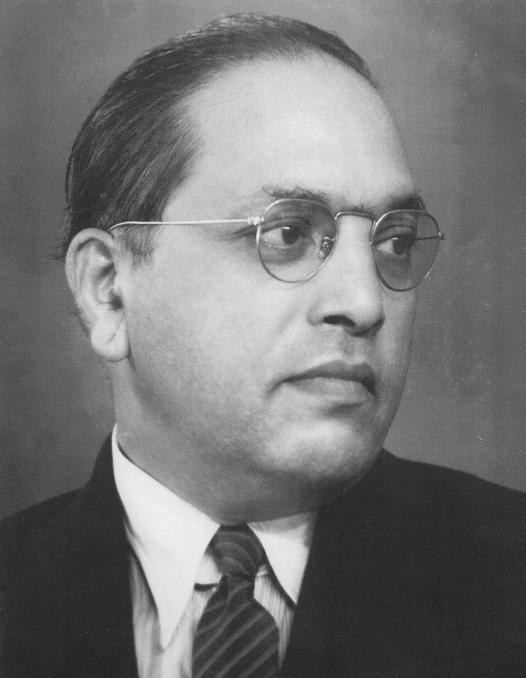
- Ambedkar established the All India Depressed Class Federation in 1920 AD.
- Ambedkar formed an Bahishkrit Hitkarini Sabha in Bombay in 1924 AD.
- In 1927, he edited a Marathi fortnightly magazine called Bahishkrit Bharat.
- In June 1928, he started the newspaper Samata.
- In 1930, he launched the newspaper Janta (The People).
- Samata Samaj Sangh was formed in 1927 AD. In 1930, Ambedkar entered national politics and sought a separate franchise for untouchables. According to Ambedkar, political power was necessary for the upliftment of Dalits.
- Participated in three Round Table meetings (1930–32 AD) held in London .
- Founder of the Independent Labour Party.
- Author of –
- Annihilation of Caste .
- Revolution and Counter-Revolution in Ancient India.
- The Buddha and His Dhamma.
- Newspapers: Mooknayak (1920), Bahishkrit Bharat (1927).
- Led Mahad Satyagraha (1927); Burnt Manusmriti.
- Kalaram Temple located at Nasik was the place where Dr. B. R. Ambedkar started a satyagraha for temple entry.
- In 1942, he formed the Scheduled Castes federation as an all -India party.
- In 1956, he started Prabuddha Bharat, which was Ambedkar’s last newspaper.
- In 1956, Ambedkar renounced Hinduism along with his followers and embraced Buddhism.
- For the first time in 1917, the Congress included Dalit reform in its work list and passed a resolution against untouchability.
- The first All India Dalit class conference was held in 1918 AD in Bombay. For the first time in this conference, the All India Anti-Untouchability Declaration was released.
- The conference was organised by depressed class mission society of india, founded by Maharishi Vitthal Gaekwad of Baroda.
- B. R. Ambedkar did not participate in this conference.
- In the early 1900s, the Maharaja of Kolhapur supported the emerging non-Brahmin movement, which spread across southern India.
- In the 1920s, the non-Brahmins in South India organised the Self-Respect Movement, led by E.V. Ramaswamy Naicker (Periyar).
- Temple-entry rights for lower castes.
- In Kerala, Sri Narayana Guru led a lifelong struggle against caste oppression.
- His disciple Sahadaran Ayyappan modified it to: “No religion, no caste, no God for mankind.”
- Education –
- New English School (1880)
- Fergusson College (1885)
- Deccan Education Society (1884) Tilak, Gopal ganesh agarkar, Vishnushastri chiplunkar were associated with this.
Asiatic Society of Bengal / Royal Asiatic Society of Bengal
- In January 1784, Sir William Jones, an officer of the East India Company, established the ‘Asiatic Society of Bengal’ in Calcutta to study Indian languages and scriptures.
- The Society played a pioneering role in the discovery and systematic study of ancient Indian history and civilisation.
- William Jones translated the ‘Abhigyan Shakuntalam’ in 1789 AD, the first book in the European language obtained by the Asiatic Society.
- William Jones published a translation of Manusmriti under the name of ‘Institute of Hindu Law’ in 1794 AD.
- Manusmriti’s first English translation by Nathaniel Halhed named “A Code of Gentoo Laws” in 1776 AD.
- William Jones translated the Geet Govind in 1792 AD.
- Wilkins translated “Geeta”.
Socio-Cultural Reform Movements Leaders & organisation
Bengal –
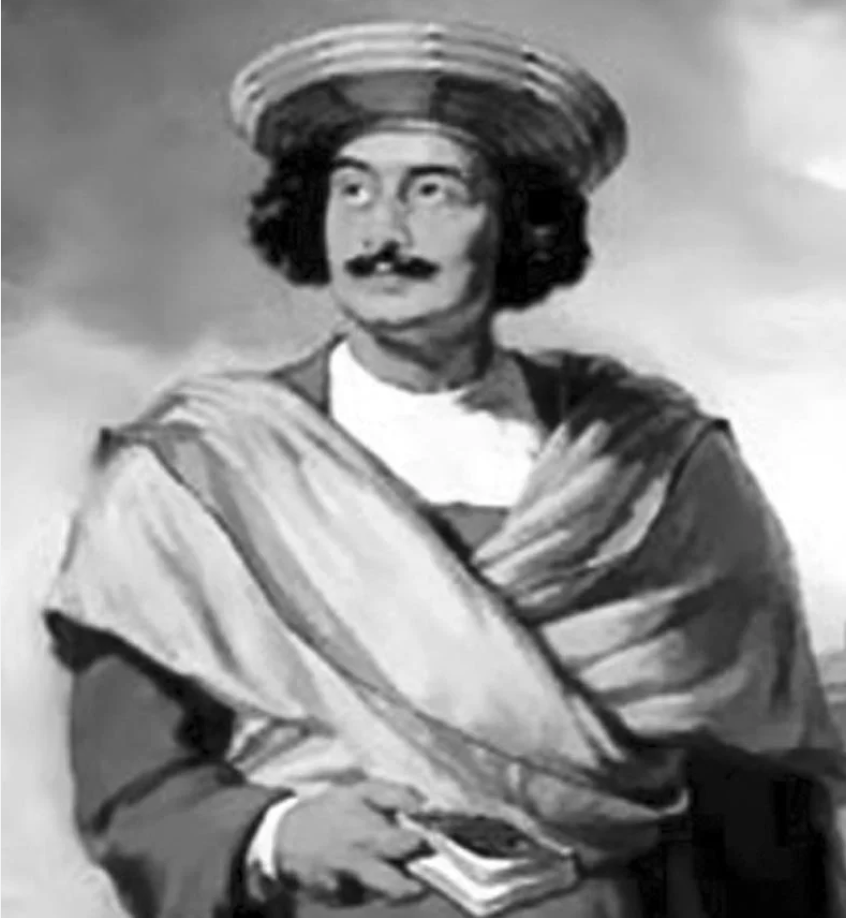
Raja Rammohan Roy & Brahmo Samaj
- Known as “Father of Indian Renaissance.” Advocated monotheism, rationalism, human dignity & social equality.
- Founded Atmiya Sabha (1814) and Brahmo Sabha/Samaj (1828) .
- Wrote Tuhfat-ul-Muwahhidin” (A Gift to Monotheists), translated Vedas/Upanishads to show monotheism in ancient texts.
- He Criticised Christian ritualism and rejected Christ as God’s incarnation in The Precepts of Jesus: The Guide to Peace and Happiness (1820)*.
- Founded Newspapers: Sambad Kaumudi, Persian weekly Mirat-ul-Akbar
- Opposed sati, polygamy, child marriage; supported women’s inheritance rights.
- Helped establish Hindu College (1817) & Vedanta College (1825).
- Pioneer of Indian journalism; supported freedom of press.
- Criticised zamindari oppression.
- Advocated Indianisation of services, separation of judiciary & executive.
- He was a supporter of liberal humanist nationalism.
- Died on 27 September 1833 in Bristol.
Debendranath Tagore
- Revived the Brahmo Samaj (joined 1842).
- Led Tattvabodhini Sabha → Rational study of Indian scriptures.
- Opposed Christian missionary attacks on Hinduism.
Keshab Chandra Sen
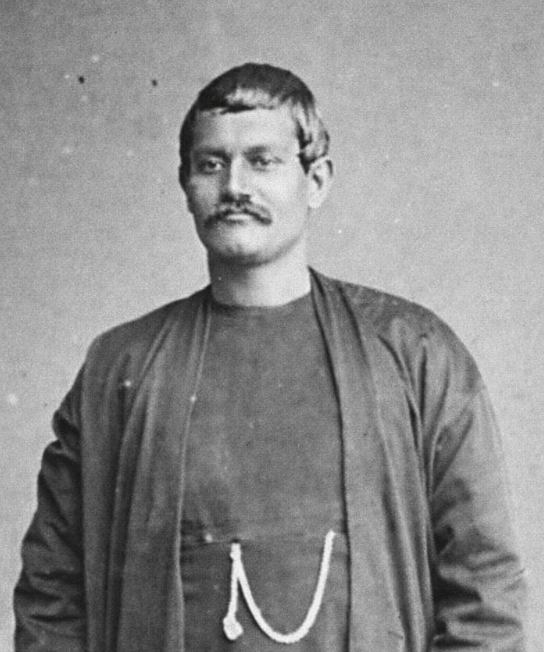
- Expanded Brahmo Samaj across India; promoted cosmopolitan, inter-religious ideas and inter-caste marriage.
- Newspaper- Indian Mirror
- Indian reform association for women empowerment.
- Differences with Debendranath → split (1866):
- Brahmo Samaj of India (Keshab)
- Adi Brahmo Samaj (Debendranath)
- A second split (1878) after Keshab married his minor daughter → formation of Sadharan Brahmo Samaj.
- Sadharan Brahmo Samaj by Anand Mohan Ghosh and Shibchnadra deb in 1878.
- Nabo Bidhan was new and universal religion founded by Keshav Chandra Sen in 1881 after the split from the Brahmo Samaj.
Dharma Sabha (1830) – Radhakant Deb
- An orthodox Hindu organisation; opposed abolition of sati.
- Opposed brahmo samaj.
- Young Bengal Movement (1820s–30s)
- Henry Vivian Derozio
- Promoted free thought, rationalism, equality, humanism, secularism.
- Limited impact due to absence of mass base, but intellectually significant.
- Society for the acquisition of general knowledge.
- Bengal Spectator newspaper.
- Ishwar Chandra Vidyasagar
- Led the movement for widow remarriage → legalised.
- Worked against child marriage & polygamy.
- Pioneer of women’s education; Played a key role in establishing Bethune School; founded 35 girls’ schools.
- Ramakrishna Movement & Swami Vivekananda
- Ramkrishna paramhans (1836–86)
- Emphasised oneness of all religions; “As many faiths, so many paths”.
- Stressed service to humanity as service to God.
Swami Vivekananda
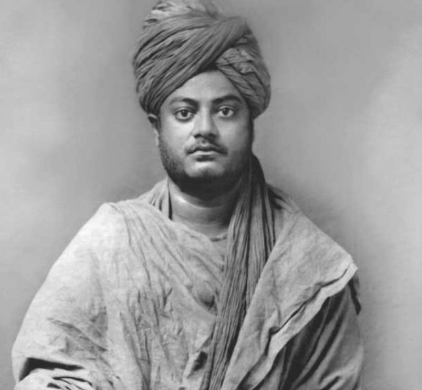
- Preached neo-Hinduism, practical Vedanta.
- Advocated uplift of the poor, unity of Hinduism, scientific spirit.
- Famous speech at Chicago Parliament of the World’s Religions (1893).
- Before going to Chicago, he changed his name to Swami Vivekananda (from Narendranath Datta) on the advice of the Khetri ruler Ajit Singh.
- Founded Ramakrishna Mission (1897) → education, relief, social work.
- Advocated blend of Western materialism & Eastern spirituality.
- Spiritual father of modern nationalist movement in Bengal (Subhas Chandra Bose).
- Established Ramakrishna Math at Belur in 1898 as the monastic headquarters.
- Karma Yoga, Bhakti Yoga, Raja Yoga, Jnana Yoga books.
- Newspaper- Prabuddh Bharat and Udbodhan
- Swamiji established the Vedanta Sabha (Vedanta Society) in New York (America) in November 1894.
- In 1899, Vivekananda went to America for the second time and established Vedanta Sabha in Francisco and Los Angeles and established Shanti Ashram in California.
- Books: Lectures on Hinduism, Vedanta Philosophy: An Address before the Graduate Philosophical Society (1896), Lectures from Colombo to Almora (1897)
- Bartaman Bharat (in Bengali), published in *Udbodhan* (March 1899)
- My Master (1901), Baker and Taylor Company, New York.
Madras –
- Theosophical Movement (1875) – (Theosophical Society)
- Founders: Madame H.P. Blavatsky (1831–91) and Colonel H.S. Olcott.
- Founded: In 1875, New York; Moved HQ to Adyar, Madras (1882).
- Beliefs and Philosophy:
- Special relationship between soul and God via contemplation, prayer, revelation.
- Accepted reincarnation, karma, inspired by Upanishads, Samkhya, Yoga, Vedanta.
- Advocated universal brotherhood, equality of race, creed, sex, caste, colour.
- Investigated unexplained natural laws and human potential.
- In India:
- Allied with Hindu renaissance
- Opposed child marriage, caste discrimination; improved status of widows.
- Annie Besant (1847–1933) popularized it after 1907, she became the second international president of this society.
- Founded Central Hindu College, 1898, precursor to Banaras Hindu University, 1916.
Maharashtra –
- Prarthana Samaj (1867) – Maharashtra
- Founded in 1867 in Bombay by Atmaram Pandurang.
- Inspired by the ideas of the Brahmo Samaj.
- Leaders: M.G. Ranade, R.G. Bhandarkar, N.G. Chandavarkar.
- Strongly influenced by bhakti tradition.
Mahadev Govind Ranade
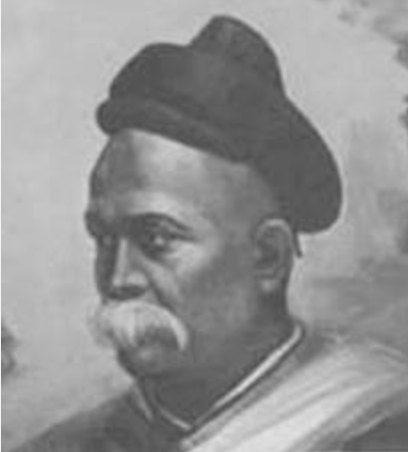
- “Socrates of Maharashtra”
- Played a major role in introducing vernacular languages into the university curriculum
- Served as a Professor of History at Elphinstone College
- Had a deep interest in Maratha history
- Authored the book “Rise of Maratha Power” in 1900
- Mentor and supporter of the Deccan Educational Society.
- Founded in 1884
- Founder: Tilak, Gopal Ganesh Agarkar , Vishnushastri Chiplunkar etc.
- ‘Poona Ferguson College was established by Deccan Educational Society.
- Gopal Krishna Gokhale was a member of the Deccan Education Society.
- Presidency Magistrate of the Bombay Small Causes Court in 1871
- Elevated as a Judge of the Bombay High Court in 1893
- In 1861, co-founded the Widow Marriage Association
Poona Sarvajanik Sabha-
- In April 1870, Mahadev Govind Ranade established the ‘Poona Sarvajanik Sabha’.
- The Poona Sarvajanik Sabha submitted a petition at the House of Commons in 1875 AD demanding direct representation for India in the British Parliament.
- The Poona Sarvajanik Sabha was the first organization in India that had a representative character and expressed public opinion.
- People were made members by getting signatures on Mukhtarnamas (authorization letters).
- Balshastri Jambhekar
- “Father of Marathi journalism.”
- Started Darpan (1832) and Digdarshan (1840).
- Paramahansa Mandali (1849)
- Secret society to fight caste rules & ritualism.
- Leaders: Dadoba Pandurang, Mehtaji Durgaram, Balshastri Jamberkar.
- Promoted rationalism, equality, widow remarriage, women’s education, inter-dining across castes.
- Inspired by earlier reformist group Manav Dharm Sabha.
- Jyotiba Phule & Savitribai Phule
- Founded Satyashodhak Samaj (1873) → leadership from backward castes.
- Introduced Satyashodhak marriage → simple, without Brahmin priests.
- Writings: Gulamgiri, Sarvajanik Satyadharma.
- Promoted identity of “Dalit” (meaning crushed).
- Savitribai Phule became a pioneer woman teacher and major reformer.
- Promoted Girl’s education.
- Vitthal Ramji Shinde
- Founded Depressed Classes Mission (1906).
- Author: Bhartiya Asprushyatecha Prashna.
- Gopal Hari Deshmukh (Lokahitawadi)
- Criticised caste, orthodoxy; wrote in Prabhakar, founded Gyan Prakash.
- Lokhitwadi sathpatre.
- Gopal Ganesh Agarkar
- Editor of Kesari; later started Sudharak.
- Servants of India Society (1905)
- G.K. Gokhale
- To train dedicated workers for national service.
- Organisation was non-political in character.
- Published Hitavada.
- Social Service League
- N.M. Joshi
- Started schools, libraries, legal aid; founder of AITUC (1920).
- Seva Sadan (1908)
- B.M. Malabari & Dayaram Gidumal
- Worked for exploited and destitute women; open to all castes.
- His efforts led to the Age of Consent Act (1891).
- Edited Indian Spectator.
- Indian Social Conference (1887)
- M.G. Ranade & Raghunath Rao
- Social reform wing of INC sessions.
Other Important Organisation –
Dayanand Saraswati (1824–1883)
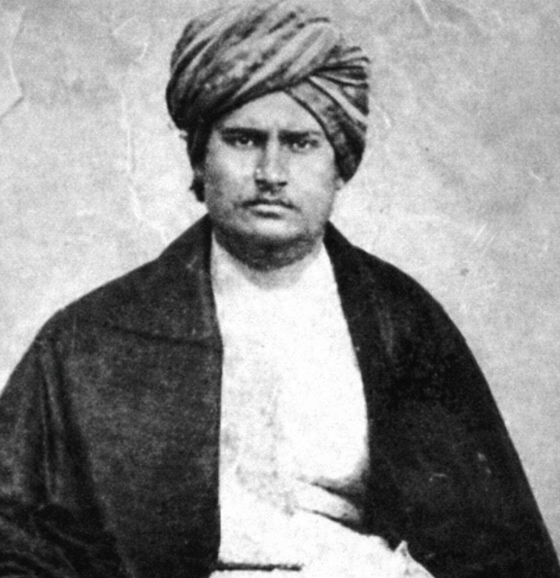
- Birth & Early Life: original name was Mulshankar, born in Tankara (Morvi State), Gujarat, in a Brahmin family.
- Founder of Arya Samaj
- First unit established in Bombay (1875); headquarters later at Lahore.
- Key work: Satyarth Prakash (The True Exposition).
- Advocated “Back to the Vedas” – revival of Vedic learning, not Vedic times.
- Criticized Puranas and corrupt priests for distorting Hinduism.
- Criticism of Orthodoxy: Opposed caste rigidity, untouchability, idolatry, polytheism, magic, animal sacrifices, superstitions, and ritual taboos.
- Chaturvarna System: Based on merit and occupation, not birth.
- Marriage Reform: Minimum marriage age – 25 (boys), 16 (girls).
- Pakhand khandini pataka was hoisted by swami dayanand saraswati in 1867 at Haridwar.
- Gau rakshini sabha 1882 focus on protection on cows started by swami dayanand saraswati.
Ten Guiding Principles of Arya Samaj
- God is the source of all true knowledge.
- God alone is worthy of worship.
- Vedas are books of true knowledge.
- Always accept truth, reject untruth.
- Dharma (right conduct) should guide all actions.
- Promote material, spiritual, and social well-being.
- Treat everyone with love and justice.
- Dispel ignorance, increase knowledge.
- Personal progress depends on the uplift of others.
- Social well-being above individual well-being.
- First used the term “Swaraj”
- Dayanand Anglo-Vedic (D.A.V.) College established in 1886, Lahore.
- Arya Samaj split in 1893 over curriculum and vegetarianism:
- College Party: Modern education, English curriculum, diet as a personal choice.
- leaders – Lala Lajpat Roy , Lala Hans Raj
- Mahatma (Gurukul) Party: Sanskrit & Vedic education, strict vegetarianism.
- Swami Shraddhanand (Munshi Ram)
- College Party: Modern education, English curriculum, diet as a personal choice.
- Gurukul Kangri
- Founded by Swami Shraddhanand (1902), later moved near Haridwar); focus on Indian culture, Vedic literature, modern sciences, and social reform.
- Shuddhi Movement: Reconversion of those converted to Christianity/Islam; uplift of untouchables.
- Dev Samaj (1887)
- Shiv Narayan Agnihotri
- Bharat Dharma Mahamandal (1902)
- Federation of orthodox Hindu organisations.
- Defended Hinduism against Arya Samaj, Theosophists, Ramakrishna Mission.
- This was the all-India apex organization of pro-Hindu organizations.
- It was founded by Pandit Deendayalu Sharma in 1887 AD in Haridwar. Its headquarters was in Varanasi. Madan Mohan Malaviya was associated with this organization.
- Its goal was to unite and work to protect Sanatan Dharma.
- It was formed to respond to the Arya Samaj, it was an organization of conservative educated Hindus.
- Sanatan Dharma Sabha, Dharma Maha Parishad and Dharma Mahamandali merged into it in 1902 AD.
- The Sanatan Dharma Sabha was founded by Madan Mohan Malviya in Haridwar.
- In South India, the ‘Dharma Maha Parishad’ was established, and in Bengal, the ‘Dharma Mahamandali’ was set up.
- Deendayalu Sharma established the Hindu College in Delhi in 1899 AD.
- Radhaswami Movement (1861)
- Shiv Dayal Saheb
- Belief in one supreme being, Guru, satsang, simple ethical life. Rejected temples and rituals
- No need for renunciation; all religions viewed as true.
South india –
- Sri Narayana Dharma Paripalana Movement (1903) – Sree Narayana Guru
- For upliftment of Ezhavas (Kerala’s depressed caste).
- 1888: Installed Sivalinga at Aruvippuram — challenged caste monopoly.
- Key leaders: Narayana Guru, Kumaran Asan, Dr Palpu.
- Motto: “One caste, one religion, one God for mankind.”
- Vokkaliga Sangha (1905, Mysore)
- Anti-Brahmin movement by Vokkaligas.
- Justice Movement (Madras Presidency)
- T.M. Nair, P. Tyagaraja Chetti, C.N. Mudaliar
- Demanded non-Brahmin representation in jobs and legislatures.
- Led to formation of Madras Presidency Association (1917).
- Self-Respect Movement (1920s)
- E.V. Ramaswamy Naicker (Periyar)
- Radical anti-Brahmin, anti-caste movement.
- Denounced Brahminical rituals; promoted inter-caste marriages without priests.
- Temple Entry Movements
- Leaders: T.K. Madhavan, K. Kelappan, A.K. Gopalan, Subramania Tirumambu.
- Vaikom Satyagraha (1924–25) – first major temple-entry struggle.
- E. V. Ramasamy Naicker, played a crucial role in the Vaikom Satyagraha
- Other leader – K.P. Kesava Menon, T.K. Madhavan.
- Mahatma Gandhi visited Vaikom in March 1925 to show his support for the movement.
- Ambadevi Mandir Satyagraha (1927): On 27th June 1927, Dr. Ambedkar and his followers marched on Ambadevi Temple in Amravati to gain access to the religious premise.
- Parvati Satyagraha(1929): In 1929, Dr. Ambedkar initiated a protest for the Dalits’ entry to the Parvati temple, located on Parvati Tekdi hill near Pune.
- Guruvayur Satyagraha (1931-1932)
- Leaders: The Guruvayur Satyagraha began on 1 November 1931 under K. Kelappan’s leadership.
- Other leaders – P. Krishna Pillai and A.K. Gopalan
- K. Kelappan ended its fast on Gandhi’s advice.
- Travancore Temple Entry Proclamation (1936). November 12, 1936, the Maharaja of Travancore issued a proclamation throwing open all government-controlled temples to all Hindus.
- Veeresalingam Pantulu –
- Rajmundri Social Reform Association (1878)
- Related with Telugu Renaissance
- Widow Remarriage association
Islamic reform movements –
- Ahmadiyya Movement (1889)
- Mirza Ghulam Ahmad
- Liberal, rationalist section of Islam.
- Opposed jihad; promoted universal religion & peace.
- Belief in separation of religion & state; women’s rights.
- Aligarh Movement
- Sir Syed Ahmed Khan (1817–1898)
- Modern, scientific education for Muslims.
- Founded Muhammadan Anglo Oriental College (1875) → Aligarh Muslim University.
- warded knighthood in 1888 for loyalty.
- United Patriotic Association
- Established Scientific Society
- Philosophy:
- Reconcile Western scientific education with the Quran.
- Believed religion should adapt to time; encouraged critical thinking and freedom of thought.
- Propagated ideas through the magazine Tahdhib-ul-Akhlaq (Improvement of Manners and Morals).
Syed Ahmed Khan
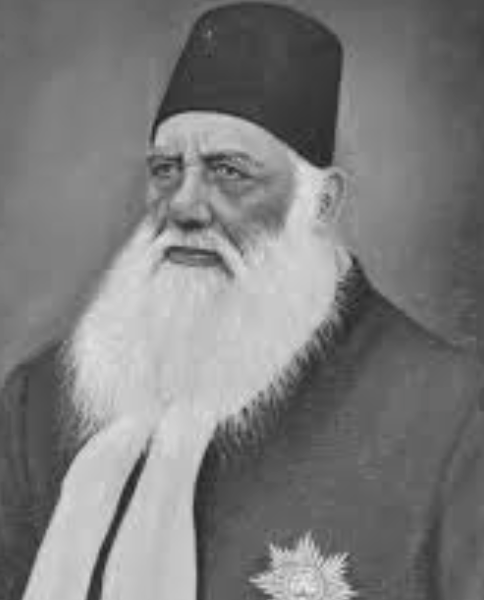
- Tehzeeb-ul-Akhlak (civilization and morality) in 1870 AD urdu magazine founded by him.
- Asbab-e-Bagawat-e-Hind The Revolt in Bijnor (History of Revolt in Bijnor), and Loyal Muhammadans of India were also written by him.
- Sir Syed Ahmed Khan described slavery as against Islam and wrote a commentary on the Quran.
- Syed Ahmed has described 17 emperors from Ghawar to Bahadur Shah II of Mughal dynasty in a booklet called ‘Jam-e-Jam’.
- Syed Ahmed established the ‘Muhammadan Education Conference’ in Aligarh in 1886 .
- In 1864, Syed Ahmed Khan established the ‘Scientific Society’ in Ghazipur (Uttar Pradesh).
- Its headquarters was later shifted to Aligarh. English books were translated into Urdu by this society and a school of English education was established in Ghazipur in 1864 AD.
- He tried to coordinate modern scientific ideas with Islam.
- Syed Ahmed Khan established the Aligarh School. In January 1877, it was named ‘Muhammadan Anglo Oriental College’ which later became Aligarh Muslim University in 1920 AD.
- Sir Syed Ahmad Khan was given the title of Sir and knighthood by the British.
- In 1887 AD, when Badruddin Tyab ji was elected President of Congress, Syed Ahmed Khan opposed it and along with Raja Shivprasad of Banaras, formed ‘United Indian patriotic association’ in 1888 AD.
- Its objective was to oppose the Congress.
- He had said that ‘Hindus and Muslims have two eyes of the same bride’.
- Deoband Movement (1866)
- Nanautawi & Gangohi
- Orthodox, revivalist; emphasised Quran and Hadis.
- Anti-British; advocated religious education.
- Supported Congress and composite nationalism.
- Shibli Numani: attempted synthesis of modern & Islamic education.
- Opposed sir syed ahmad khan
- Ahrar movement (1910) –
- Hakim Ajmal Khan , Maulana Abdul Kalam Azad
- Requested muslims to support national movement
- Parsi Reform Movement (1851)
- Rehnumai Mazdayasan Sabha
- Leaders: Naoroji Furdonji, Dadabhai Naoroji, K.R. Cama, S.S. Bengalee
- Reformed rituals; uplifted status of Parsi women and promoted rational practices, and sought religious purity.
- Newspaper: Rast Goftar.
Sikh Reform Movements
- Singh Sabha Movement (1873, Amritsar)
- Objectives:
- Provide modern Western education to Sikhs.
- Counter proselytising by Christian missionaries, Brahmo Samajists, Arya Samajists, and Muslim maulvis.
- Activities:
- Established Khalsa schools across Punjab.
- Rejected practices against Sikh doctrine; promoted rites consistent with Guru teachings.
- Akali Movement / Gurudwara Reform Movement.
- Objectives:
- Liberate Sikh gurudwaras from corrupt Udasi mahants who enjoyed government patronage.
- Methods: Non-violent non-cooperation (satyagraha, 1921).
- Kartar Singh Jhabbar, who organised non-violent protests, and Baba Kharak Singh uniting the Sikh community to regain control of their religious sites.
- Sardar Bahadur Mehtab Singh:
- Guru-ka-Bagh Morcha.
- Mehtab Singh resigned from the Punjab Legislative Council .
- Arrested several times for his involvement in the movement.
- Baba Kharak Singh: An early leader of the movement
- Master Tara Singh: He played a significant role in shaping the Shiromani Gurdwara Parbandhak Committee (SGPC).
- Outcome:
- Sikh Gurudwaras Act (1922, amended 1925) gave control of gurudwaras to Sikh masses.
- Legally recognised the SGPC’s authority.Shiromani Gurudwara Prabandhak Committee (SGPC).
Positive Contribution
- Promoted rationality, scientific temper.
- Raised consciousness against social evils (sati, child marriage, caste).
- Strengthened cultural self-confidence.
- Helped growth of nationalism.
- Opened education to women and lower castes.
Limitations
- Narrow social base – urban, educated middle class.
- Over-emphasis on religious texts encouraged revivalism & mysticism.
- Strengthened communal identities inadvertently.
- Neglected economic issues of peasants & working class.
Madan Mohan Malaviya
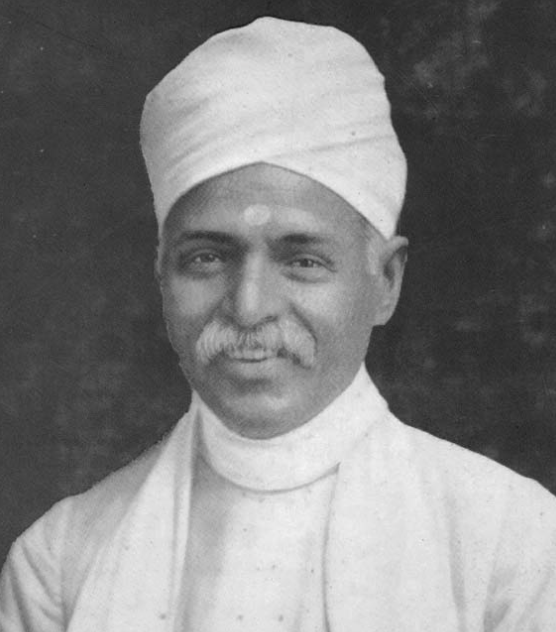
- Madan Mohan Malaviya wrote articles under the name ‘Makarand’ in Bhartendu Harishchandra’s magazine ‘Harishchandrika’.
- In 1887, Raja Rampal Singh, influenced by his speech, made Malaviya the editor of the ‘Hindostan’ newspaper.
- In 1889, Malaviya became the editor of the ‘Indian Opinion’ newspaper.
- In 1907, Malviya started the ‘Abhyudaya’ newspaper.
- In 1908, Malaviya called a conference against the Press Act in Allahabad.
- In 1909, Malaviya launched the ‘Leader’ newspaper with Motilal Nehru, which supported liberal policies.
- In 1910, Malviya took out the ‘Maryada’ newspaper in Hindi.
- In 1922 K.M. Pannikar started ‘Hindustan Times’, which was earlier the main newspaper of the Akalis; Malaviya later bought it.
- Malaviya, along with Ghanshyam Das Birla and Lala Lajpat Rai, saved ‘Hindustan Times’ from being closed. From 1924 to 1946, Malaviya was the chairman of ‘Hindustan Times’.
- In 1933, Malviya started the magazine ‘Sanatan Dharma’ from Banaras Hindu University.



