

Food and Nutrition is an important part of science and technology that focuses on the role of food in maintaining health and well-being. It helps us understand the importance of nutrients like carbohydrates, proteins, vitamins, and minerals in our daily diet. Proper nutrition ensures growth, energy, and protection against diseases, making it essential for a healthy life.
Food
- Food is anything that we eat and which nurishes our body.
- It includes solids, semi-solids and liquids. Food can be obtained from plant or animal source.
- Thus, two important features for any item to be called food are:
- It should be worth eating, that is, it should be ‘edible’.
- It must nourish the body.
- It is essential because it contains substances which perform important functions in our body.
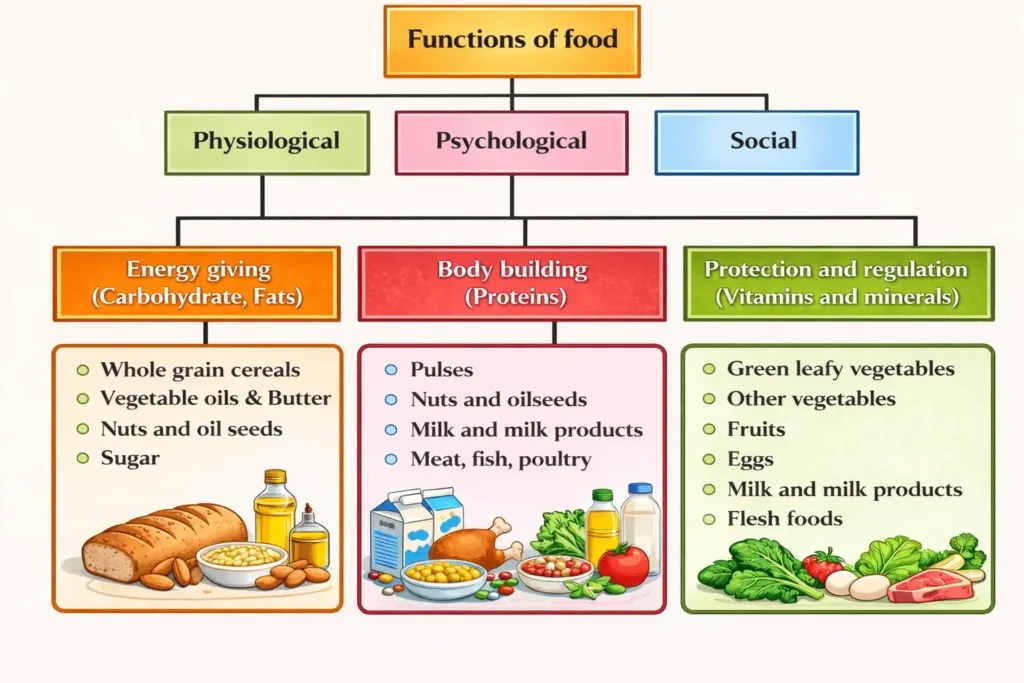
Functions of Food
Nutrition and Nutrients
- Nutrition is the process by which food is taken in and utilized by the body.
- Nutrition = Eating → Digestion → Absorption → Transportation → Utilization.
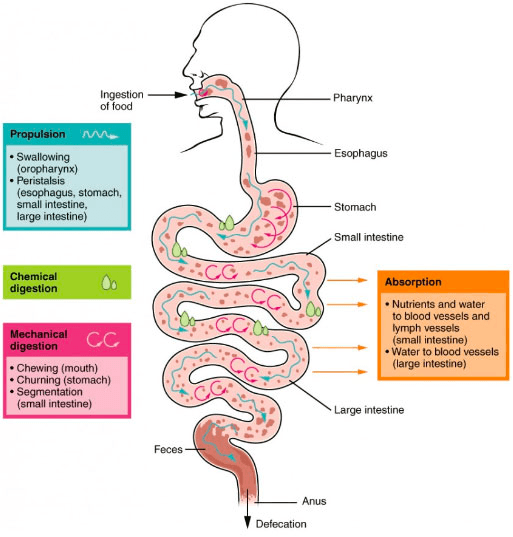
- Nutrients are essential substances that the body needs for growth, development, maintenance, and overall well-being.
- These substances provide the energy necessary for various physiological functions and support the body’s structure and regulatory processes.
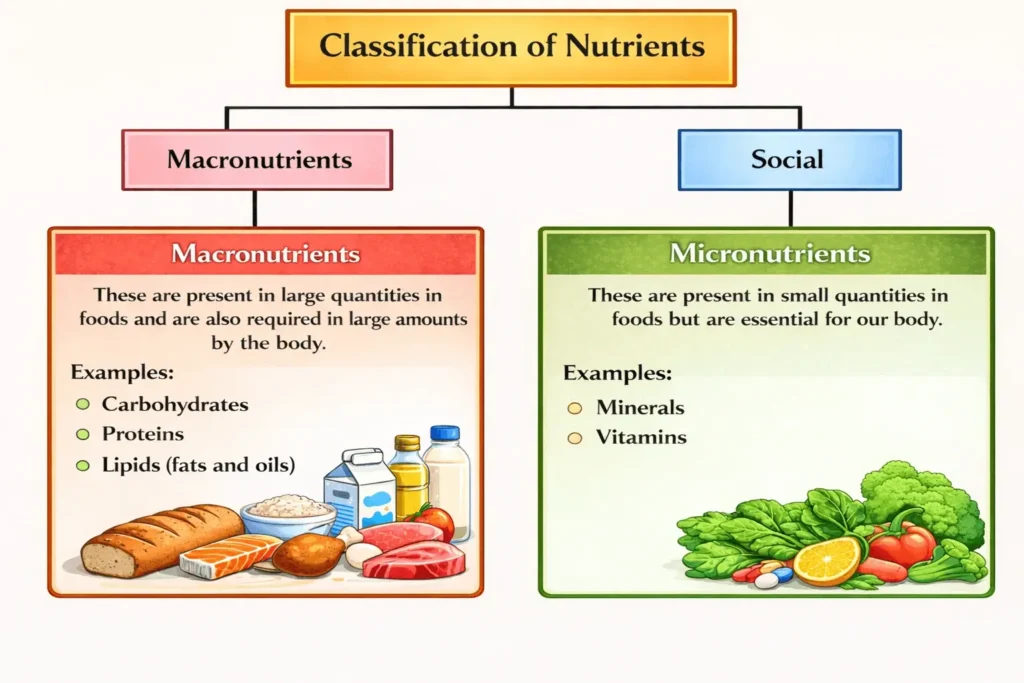
Classification of Nutrients
- Nutrients are of two types:
- Macronutrients:
- These are present in large quantities in foods and are also required in large amounts by the body.
- Examples: Carbohydrates, proteins, lipids (fats and oils).
- Micronutrients
- These are present in small quantities in foods but are essential for our body.
- Examples: Minerals, vitamins.
- Macronutrients:
- Both macronutrients and the micronutrients are equally essential for good health.
Macronutrients
Carbohydrates
- Carbohydrate is a molecule consisting of carbon (C), hydrogen (H) and oxygen (O) atoms with a ratio of 1:2:1. → Cₙ(H₂O)ₙ.
- They are found in foods like grains, fruits, and vegetables.
- Energy storage: starch in plants, glycogen in animals (animal starch).
Functions of carbohydrates
- They are the primary source of energy in the human body (4 kcal/g).
- The body breaks down carbohydrates into glucose, which provides energy.
- Essential for brain and nervous system.
- Carbohydrates spare proteins for body building function.
- Provide dietary fibre for digestion.
- Act as precursors for biomolecules (DNA, RNA, glycoproteins).
- Provide structural support in plants as cellulose.
- Cellulose is a polysaccharide made of glucose units linked differently (β-1,4 bonds).
- It is the main component of plant cell walls, giving strength and rigidity.
- Humans cannot digest cellulose (because they lack cellulase eenzyme), so it acts as dietary fibre.
Metabolism of Carbohydrates
- Digestion → Carbohydrates broken into monosaccharides (glucose) in intestine.
- Glycolysis → Glucose → Pyruvate (produces ATP).
- Krebs Cycle & ETC → Complete oxidation of glucose in mitochondria → maximum ATP.
- Gluconeogenesis → Making glucose from proteins/fats (during fasting).
- Glycogenesis → Storage of glucose as glycogen.
- Glycogenolysis → Breakdown of glycogen → release glucose.
Classification of Carbohydrates
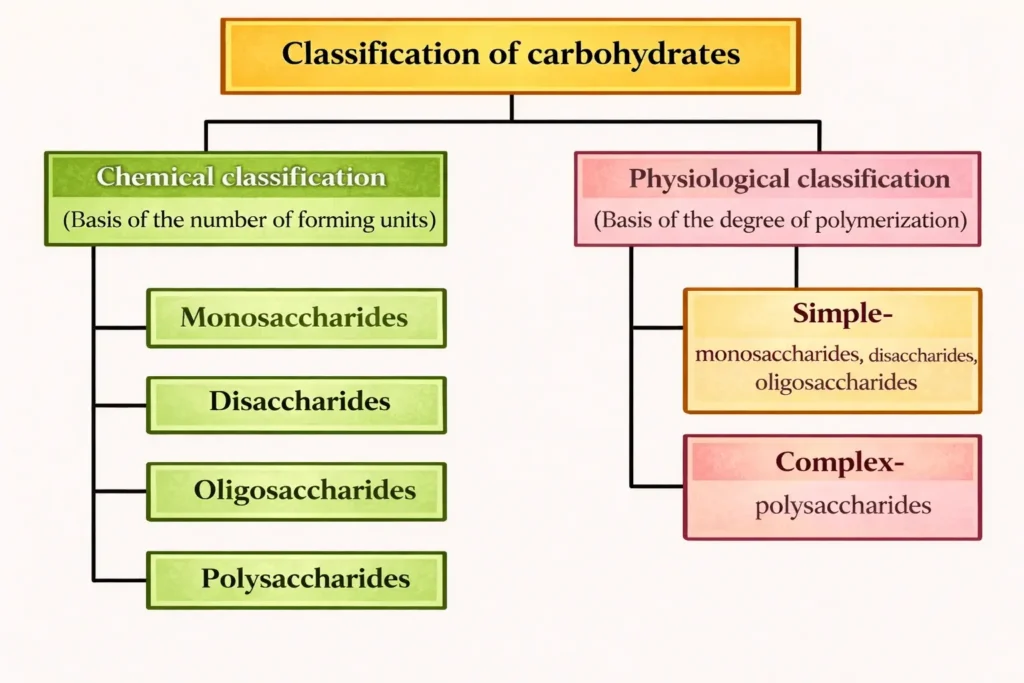
Disaccharides
- Formed by 2 monosaccharides joined by a glycosidic bond.
- Examples:
- Sucrose = Glucose + Fructose (table/cane sugar).
- Lactose = Glucose + Galactose (milk sugar).
- Maltose = Glucose + Glucose (malt sugar).
Polysaccharides:
- They are complex carbohydrates composed of long chains of monosaccharide units.
- Examples: Starch, glycogen, and fiber.
- Starch Polysaccharides: Amylose, amylopectin, maltodextrins.
- Non-starch polysaccharides (dietary fibre): Cellulose, pectins, hemicelluloses, gums, inulin.
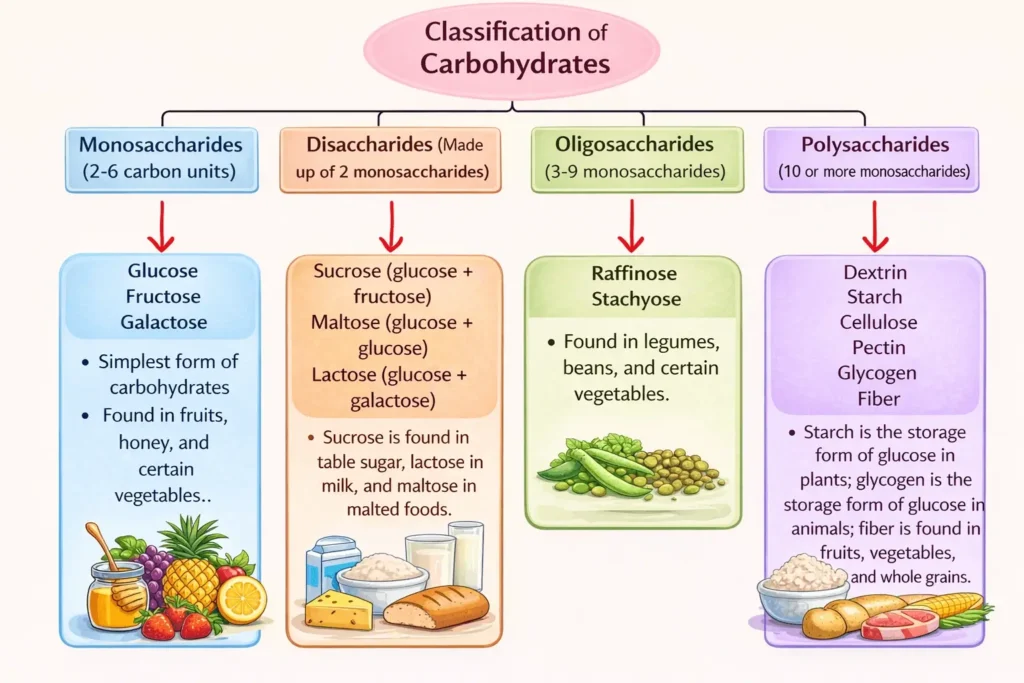
Types of Sugars/ Carbohydrates
| Type | Scientific Name | Common Name | Natural Source / Notes |
| Mono-saccharide | Glucose | Grape Sugar | Grapes, fruits; primary blood sugar, used in energy drinks and ORS |
| Fructose | Fruit Sugar | Fruits, honey; sweetest natural sugar | |
| Galactose | Brain Sugar | Found in milk; part of glycolipids | |
| Di-saccharide | Sucrose | Cane Sugar, Palm Sugar, Table Sugar (Glucose + Fructose) | Sugarcane, sugar beet; Extracted from palm sap, Non-reducing sugar |
| Lactose | Milk Sugar | Glucose + Galactose; Milk | |
| Maltose | Malt Sugar | Glucose + Glucose; Malted grains | |
| Trehalose | Mushrooms, yeast; Glucose + Glucose (α,α-1,1) | ||
| Sucrose + Molasses | Brown Sugar | Table sugar + molasses (4.5–6.5% molasses) | |
| Glucose + Fructose | Honey Sugar, Date Sugar(Mixed sugars) | Natural sweetener from bees, found in dates | |
| Invert Sugar (Hydrolyzed form) | Hydrolyzed sucrose; used in syrups, soft drinks | ||
| Oligo-saccharide | Raffinose | Glucose + Galactose + Fructose | Human indigestible sugar; Beans, whole grains; causes flatulence |
| Poly-saccharide | Starch | Rice, wheat, potatoes; energy storage in plants | |
| Cellulose | Plant fiber; indigestible by humans | ||
| Glycogen | Energy storage in animals (liver, muscles) |
Non-Sugar Sweeteners (NSS)
- Sweeteners are substances that make food taste sweet but contain little or no calories.
- They are often used as sugar substitutes in diet foods, beverages, and by people with diabetes.
- Examples:
- Artificial: Acesulfame K, Aspartame, Advantame, Cyclamates, Neotame, Saccharin, Sucralose.
- Natural: Stevia, Stevia derivatives, Xylitol (a sugar Natural: Stevia, Stevia derivatives, Xylitol (a sugar alcohol from plants/fruits/vegetables).
Natural vs Artificial Sweeteners
| Feature | Natural Sweeteners | Artificial Sweeteners |
| Source | Derived from plants or natural substances | Synthesized chemically in labs |
| Examples | Stevia, Honey, Jaggery, Dates, Agave | Aspartame, Saccharin, Sucralose, Acesulfame K |
| Calories | Low to moderate (some zero-calorie) | Mostly zero-calorie |
| Sweetness (vs sugar) | Comparable or slightly less | Often 100–600x sweeter than sugar |
| Regulation in India | FSSAI permits under Ayush & food safety | FSSAI regulates under food additives |
Major Artificial Sweeteners
| Sweetener | Relative Sweetness (Approx.) | Use |
| Advantame | 20,000 (Highest) | Approved for general use. |
| Neotame | 7,000−13,000 | Approved for general use. |
| Alitame | 2,000 | |
| Sucralose | 600 | Often used in baking, canning, and soft drinks. |
| Saccharin | 300−550 | Oldest sweetener |
| Aspartame | 100−200 | Not heat-stable, used in cold drinks, not suitable for cooking. |
Some facts
- Glucose is quickly absorbed → instant energy. Hence, it is used in energy drinks and ORS (Oral Rehydration Solution).
- Sweetest sugar → Fructose
- Non-reducing sugar → Sucrose
- Reducing sugars → Glucose, Fructose, Lactose, Maltose
- Flatulence in beans → Raffinose (not digested by humans)
- Animal starch → Glycogen
- Plant storage polysaccharide → Starch
- Structural polysaccharide (plants) → Cellulose (humans can’t digest due to lack of cellulase).
- Streptococcus mutans uses sucrose to produce sticky dextran & acids → tooth decay.
- Galactose forms part of glycolipids & glycoproteins, vital for brain function.
- Ribose sugar is a component of DNA backbone (as deoxyribose).
- DNA has deoxyribose, RNA has ribose → both are pentose monosaccharides.
- Relative sweetness scale → Fructose (173) > Sucrose (100) > Glucose (74) > Galactose (32).
- Cellulose = 33% of all plant matter → world’s most abundant organic polymer.
Glycemic Index (GI)
- Measures how quickly a carbohydrate- containing food raises blood sugar levels after it is consumed.
- The index ranks carbohydrate-rich foods on a scale of 0 to 100 based on their ability to raise blood sugar levels as compared to pure glucose (which has a GI of 100).
- Factors Affecting GI
- Internal factors:
- Amylose (slows digestion → lowers GI).
- Lipids, protein (delay gastric emptying).
- External factors:
- Cooking, processing, grinding (increase GI).
- Retrogradation (starch recrystallization after cooling → lowers GI).
- Soaking, germination (modify starch → usually lower GI).
- Internal factors:
GI Index Table
| GI Index | Examples |
| High (>70) | Wheat, White rice, Potatoes, White bread, etc. |
| Medium (56–69) | Orange juice, Honey, Wholemeal bread, etc. |
| Low (<55) | Fruits, Non-starchy vegetables (Carrots, Spinach, Tomatoes, etc.), Whole grains, Legumes, etc. |
Glycemic Load (GL)
Combines quality (GI) + quantity (carbohydrate content).
Proteins
- Proteins are large molecules that comprise one or more long chains of amino acids (20 types in humans) linked by peptide bonds.
- A peptide bond is a chemical bond formed between two molecules when the carboxyl group of one molecule reacts with the amino group of the other molecule, releasing a molecule of water (H2O) → condensation reaction.
- Proteins provide 4 kcal/g energy.
- Essential for growth, repair, and maintenance of body tissues.
- Help in the clotting of blood.
- They are often referred to as the “workhorses” of the cell due to their diverse roles in structure, function, and regulation.
- Sources: We obtain proteins from both animals and plants.
- Animal sources: Meat, eggs, dairy
- Plant sources: Pulses, legumes, soy, nuts.
- Essential amino acids are those which our body cannot manufacture and hence have to be supplied through the diet (9 amino acids).
- Non essential amino acids are those amino acids which our body can manufacture (20-9 = 11 amino acids).
- Most Important Points
- Most abundant protein in human body → Collagen.
- Gold standard protein (highest biological value) → Egg protein.
- QPM (Quality Protein Maize) → enriched in lysine & tryptophan (ICAR).
- Myoglobin – 1st protein studied by X-ray crystallography.
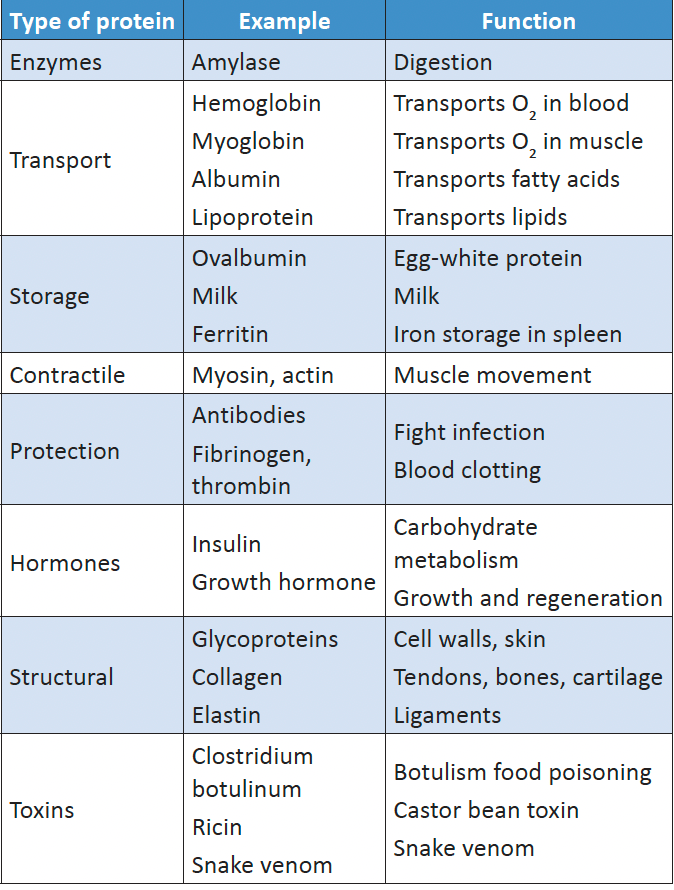
Functions of Proteins
- Enzymatic → Catalysing metabolic reactions (e.g., amylase, DNA polymerase).
- Structural → Providing structure to cells and organisms → Collagen (connective tissue), Keratin (hair, nails).
- Transport → Transporting molecules from one location to another. Hemoglobin (oxygen transport), membrane channels.
- Storage → Ferritin stores iron in cells; Casein stores calcium in milk.
- Defense → Antibodies (immunity).
- Hormonal → Insulin (regulates blood sugar), Glucagon (metabolic regulation).
- Movement → Actin & Myosin (muscle contraction).
- DNA replication
- Proteins regulate osmotic balance and stabilize pH.
Types of Proteins
- On the Basis of Composition
- Simple Proteins
- Made of only amino acids.
- No prosthetic (non-protein) group.
- Examples:
- Albumins – soluble in water; found in egg white, blood plasma.
- Globulins – immune proteins in plasma.
- Glutelins, Prolamins – in cereals (wheat, rice).
- Scleroproteins – fibrous proteins (collagen, keratin).
- Conjugated Proteins
- Proteins + non-protein component (prosthetic group).
- Glycoproteins: Proteins+carbohydrates
- e.g., Immunoglobulins, blood group antigens.
- Function → cell recognition, immune response.
- Lipoproteins: Proteins + Lipids
- Transport lipids in blood.
- Types:
- Chylomicrons – carry dietary fats.
- VLDL – liver → tissues (triglycerides).
- LDL (“bad cholesterol”) – delivers cholesterol to cells, causes atherosclerosis.
- HDL (“good cholesterol”) – removes excess cholesterol and transports it back to liver.
- Metalloproteins: Proteins + Metal ions
- Hemoglobin (Fe²⁺) – oxygen transport.
- Cytochrome c (heme iron) – electron transport.
- Zinc finger proteins – DNA binding, transcription regulation.
- Derived Proteins
- Formed by partial hydrolysis/ denaturation of simple or conjugated proteins.
- Examples: Peptones, proteoses, polypeptides.
- Occur during digestion (pepsin → peptones).
- Simple Proteins
- On the Basis of Structure
- Primary Structure – Linear amino acid sequence.
- Secondary Structure – Local folding (α-helix, β-pleated sheet).
- Tertiary Structure – 3D folding of a single polypeptide chain.
- Quaternary Structure – Interaction of multiple polypeptide chains.
- Example: Hemoglobin (4 subunits).
- On the Basis of Shape
- Fibrous Proteins
- Long, narrow, structural role.
- Examples:
- Collagen – connective tissue; most abundant protein in humans.
- Keratin – hair, nails, feathers; rich in cysteine (disulfide bonds → stability).
- Globular Proteins
- Compact, spherical, functional role.
- Examples: Hemoglobin, enzymes (amylase).
- Fibrous Proteins
Complete Protein (Whole Protein)
- A complete protein is a food source of protein that contains an adequate proportion of each of the nine essential amino acids necessary in the human diet. Our body cannot produce these amino acids, so they must be obtained from food.
- Sources:
- Animal-based: Eggs, milk, cheese, yogurt, meat, fish.
- Combination plant-based: Legumes + grains (e.g., rice + beans) can form a complete protein.
Protein Deficiency Diseases
| Disease / Condition | Cause | Key Symptoms / Effects |
| Kwashiorkor | Severe protein deficiency | Edema (swelling), fatty liver, stunted growth, irritability, skin lesions |
| Marasmus | Deficiency of protein + calories | Extreme wasting, muscle loss, no edema, sunken eyes |
| Growth retardation | Inadequate protein intake | Delayed physical and mental development |
| Weakened immunity | Low protein levels | Frequent infections, poor wound healing |
| Fatty liver | Lack of apolipoproteins | Liver dysfunction, seen in kwashiorkor |
| Hair discoloration | Tyrosine deficiency (protein-linked) | Reddish or brittle hair (esp. in kwashiorkor) |
Cataract
- The natural lens of the eye is composed mainly of water and structural proteins called crystallins.
- These proteins are arranged in a precise, orderly manner that makes the lens transparent and allows light to pass through clearly.
- A cataract forms when these crystallin proteins begin to:
- Break down or denature (lose their normal structure), typically due to aging, oxidation, or other risk factors like UV exposure or diabetes.
- Clump together (form aggregates).
- Become insoluble and cross-linked.
- This clumping scatters light and reduces lens transparency.
- Treatment: Cataract Surgery, where the cloudy natural lens is removed and replaced with a clear Intraocular Lens (IOL).
Fats (Lipids)
- Fats, or triglycerides, are esters formed from three fatty acids + one glycerol molecule.
- Functions:
- Energy storage: 1 g of fat provides 9.3 kcal, the most energy-dense macronutrient.
- Cell structure: Essential component of cell membranes (phospholipids).
- Hormone production: Precursor for steroid hormones and other signaling molecules.
- Sources: Oils, nuts, fatty fish, butter, ghee.
- Properties:
- Solid at room temperature: Fats (mainly saturated).
- Liquid at room temperature: Oils (unsaturated).
- Insoluble in water.
- Fats are major energy reserves and aid in absorption of fat-soluble vitamins (A, D, E, K).
Types of Fats
- Unsaturated Fats (healthier fats): Contain at least one double bond in their structure, resulting in fewer hydrogen atoms. Generally liquid at room temperature (e.g., olive oil, fish oil). Further types:
- Monounsaturated Fats (MUFA)
- Structure: One double bond between carbons.
- Sources: Olive oil, avocados, nuts, seeds.
- Health Impact: Heart-healthy, improves cholesterol when consumed in moderation.
- Polyunsaturated Fats (PUFAs)
- Structure: Multiple double bonds between carbons.
- Sources: Fatty fish (salmon, mackerel), flaxseeds, walnuts, vegetable oils (soybean, sunflower).
- Includes essential fatty acids (EFAs) → Omega-3 (flaxseed, fish), Omega-6 (soybean oil).
- Monounsaturated Fats (MUFA)
- Saturated Fats (Unhealthy Fats)
- Structure: Only single C–C bonds (saturated with H). Typically solid at room temperature (e.g., butter, lard). More stable and less prone to rancidity compared to unsaturated fats.
- Sources: Meat, poultry, full-fat dairy, coconut oil, palm oil.
- Health Impact: ↑ LDL cholesterol, ↑ risk of cardiovascular diseases.
- Trans Fats (Unhealthy Fats)
- These are unsaturated fatty acids. They have trans double bonds.
- Artificially created by hydrogenation of vegetable oils → converts liquid oils into semi-solid/solid fats.
- Sources:
- Industrial: Partially hydrogenated oils (PHO) used in vanaspati, margarine, bakery products, fried & processed foods.
- Natural: Small amounts in meat & dairy from ruminants (cows, sheep).
- Features → Inexpensive, long shelf life, improves texture/taste.
- Health Impact: Raise LDL (bad cholesterol), lower HDL (good cholesterol), most harmful fat → linked to obesity, diabetes, heart disease.
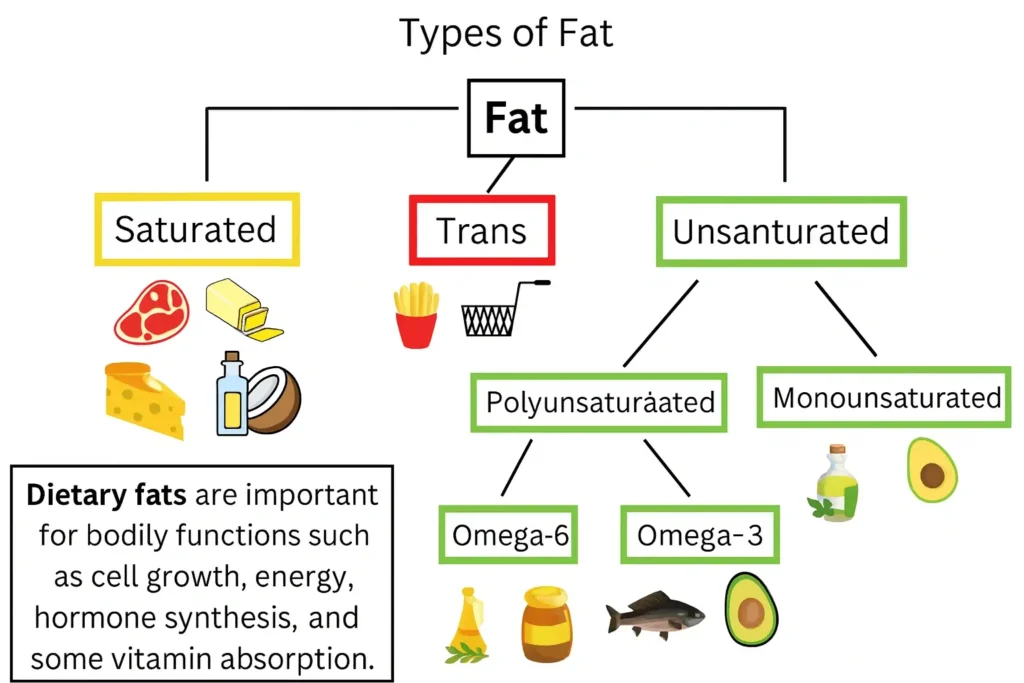
Essential Fatty Acids
- Certain fatty acids should be provided essentially in the diets, as they are not synthesized in the body.
- These are polyunsaturated fatty acids, namely linoleic, linolenic and arachidonic acids and are grouped as ‘essential’ fatty acids.
- They are required for metabolism and for maintenance of normal health of the skin.
- It is only the linoleic acid which we really need as the other two can be synthesized in the body from linoleic acid.
- Sources: Peanut, cottonseed, corn and sunflower oils.
- Linoleic Acid (55%) is the predominant fatty acid in soybean oil.
Omega Fatty Acids
- Omega-3 Fatty Acids:
- These are crucial for various bodily functions, particularly brain health, reducing inflammation, and maintaining a healthy heart.
- The “3” indicates → First double bond in the carbon chain is located at the 3rd carbon from the methyl end (the “omega” end).
- Parent fatty acid → Alpha-linolenic acid (ALA).
- Flaxseed is the richest plant-based source of alpha-linolenic acid (ALA) – an essential omega-3 fatty acid with significant health and nutritional relevance.
- Omega-6 Fatty Acids:
- These are also vital for health and play a key role in brain function, skin and hair growth, maintaining bone health, and regulating metabolism.
- The “6” signifies → First double bond at 6th carbon from the omega end.
- Parent fatty acid → Linoleic acid (LA).
- Omega-9 Fatty Acids:
- This group of fatty acids is considered non-essential.
- While they are beneficial for health (e.g., Oleic acid, the main component of olive oil), the body can synthesize them from other unsaturated fats, so it is not required to get them from the diet.
Since the body cannot make Omega-3 and Omega-6 fatty acids, both are considered essential and must be part of a healthy diet.
| Aspect | Omega-3 Fatty Acids | Omega-6 Fatty Acids |
| Sources | Fatty Fish (Salmon,Mackerel, etc.), Flaxseeds, Chia Seeds, Walnuts, Algal Oil (Supplements) | Vegetable Oils (Soybean, Corn, etc.), Nuts and Seeds, Meat and Poultry (Grain-fed) |
| Type | Eicosapentaenoic Acid (EPA), Docosahexaenoic Acid (DHA), Alpha-Linolenic Acid (ALA) | Linoleic Acid (LA),Arachidonic Acid (AA) |
| Role in Body | Anti-inflammatory, promotes brain health, heart protection, reduces triglycerides | Involved in growth, development, immune function, but excess may promote inflammation |
Lipid Deficiency Diseases
- Phyrnoderma (Toad skin): Skin becomes rough and thick horny papules of the size of a pinhead erupt in certain areas of the body, notably, thighs, buttock and trunk.
Lipid Excess Diseases
- Obesity, gastrointestinal disturbances, diabetes.
- Cardiovascular diseases: Refers to conditions that involve narrowed or blocked blood vessels that can lead to a heart attack, chest pain (angina) or stroke.
Initiatives to Reduce Trans Fats
Global Context
Global Initiative | Led By | Notes |
REPLACE Framework | WHO (2018) |
|
WHO Report on Global Trans-Fat Elimination (2022) | Title: “Countdown to 2023: WHO report on global trans-fat elimination 2022” |
|
Best Practice Countries | Denmark, USA, Thailand |
|
India’s Key Initiatives
| Initiative / Policy | Year / Agency | Key Features & Impact |
| FSSAI Trans Fat Regulation | 2021–22 | Capped trans fats in oils & fatsto 3% by 2021, & 2% by 2022 from the current levels of 5%.India = first lower-middle-income country to adopt in 2022. |
| Trans Fat–Free India by 2022 | FSSAI + MoHFW | National goal to eliminate industrial trans fats; part of NCD prevention strategy. |
| Eat Right India Movement | 2018 onwards | Public awareness campaign (Heart Attack Rewind); promotes safe, healthy, sustainable food |
| Logo for Trans Fat–Free Establishments | 2020 | Voluntary certification for food outlets meeting trans fat norms |
A1 and A2 Milk
- A1 and A2 are genetic variants of Beta (β)-casein protein.
- Casein (make 80 % of milk protein) is one of the two types of protein found in milk. The other one is Whey protein.
- Difference: Structural variation in amino acid sequence → A1 evolved from A2 via natural mutation.
- Milk Types:
- Regular milk: Contains both A1 & A2 β-casein.
- A2 milk: Contains only A2 variant → indigenous cows & buffaloes (NBAGR studies).
Comparison Table
| Parameter | A1 Milk | A2 Milk |
| Nutrition | Higher fat, calories, protein | Lower fat & calories, contains proline |
| Health Effects | Contains histidine → histamine → may cause digestion issues in some people. | Easier to digest as itdoes not produce BCM-7; proline → collagen, joint & tendon health. |
| Source | Cow breeds from northern Europe (Holstein, Friesian, Ayrshire, British Shorthorn) | Indigenous Indianbreeds (Gir, Sahiwal)and some Asian/Africancows |
Energy Content of Macronutrients
The amount of energy each macronutrient provides is not equal. The standard values, known as the Atwater system, are as follows:
- Carbohydrates: Provide 4 kcal per gram. They are the body’s preferred and most readily available source of energy.
- Proteins: Provide 4 kcal per gram. While they can be used for energy, their primary role is to build and repair tissues, produce enzymes and hormones, and support immune function.
- Fats: Provide 9.3 kcal per gram. This makes them the most energy-dense macronutrient.
Macronutrients
Vitamins
- Since vitamins cannot be manufactured in the body, they have to be supplied through the diet.
- Vitamins are broadly classified into two groups:
- Fat soluble vitamins e.g. Vitamin A, D, E and K
- Water soluble vitamins e.g. B group vitamins and Vitamin C.
| Vitamin | Chemical Name | Deficiency Diseases |
| Fat Soluble Vitamins | ||
| Vitamin A | Retinol, Retinal,Retinoic Acid | Night blindness, xerophthalmia (dry eyes) → Keratomalacia, impaired immune function. |
| Vitamin D | Cholecalciferol | Rickets (in children), osteomalacia (in adults) |
| Vitamin E | Tocopherol | Neuromuscular issues |
| Vitamin K | Phylloquinone,Menaquinone | Bleeding disorders |
| Water Soluble Vitamins | ||
| Vitamin B1 | Thiamine | Beriberi |
| Vitamin B2 | Riboflavin | Ariboflavinosis |
| Vitamin B3 | Niacin | Pellagra |
| Vitamin B5 | Pantothenic Acid | Paresthesia |
| Vitamin B6 | Pyridoxine | Anemia, neurological issues |
| Vitamin B7 | Biotin | Dermatitis, neurological symptoms |
| Vitamin B9 | Folate (Folic Acid) | Megaloblastic anemia, neural tube defects during pregnancy |
| Vitamin B12 | Cobalamin | Pernicious anemia |
| Vitamin C | Ascorbic Acid | Scurvy |
Minerals
- A total of 4% of the body weight is made up of minerals.
- In total, there are about 19 minerals required by the body in various amounts.
- Calcium and phosphorus, accounts for three-fourth of the minerals present in the body.
Minerals in the human body are classified based on the quantity required:
| Category | Requirement per Day | Key Examples |
| Macrominerals (Major Minerals) | >100 mg | Calcium (Ca), Phosphorus (P), Potassium (K), Sulphur (S), Sodium (Na), Chloride (Cl), Magnesium (Mg). |
| Microminerals (Trace Minerals) | <100 mg (often μg) | Iron (Fe), Iodine (I), Zinc (Zn), Copper (Cu), Selenium (Se), Fluoride (F), Chromium (Cr), Manganese (Mn). |
| Mineral | Deficiency Disease | Dietary Sources | Functions in the Body |
| Calcium | Osteoporosis | Dairy products, leafy greens, almonds | Bone and teeth formation, blood clotting |
| Iron | Anemia | Red meat, spinach, lentils | Oxygen transport in blood, energy metabolism |
| Zinc | Delayed growth | Meat, dairy, nuts, legumes | Immune function, wound healing, DNA synthesis |
| Magnesium | Muscle weakness | Nuts, seeds, whole grains | Nerve function, muscle contraction, bone health |
| Potassium | Muscle weakness | Bananas, oranges, potatoes | Fluid balance, nerve signals, muscle contractions |
| Sodium | Hyponatremia | Table salt (Sodium Chloride), processed foods | Fluid balance, nerve signals, muscle contractions |
| Phosphorus | Weak bones | Dairy products, meat, nuts | Bone and teeth formation, energy metabolism |
| Selenium | Fatigue, muscle pain | Brazil nuts, fish, eggs | Antioxidant, thyroid function, immune support |
| Copper | Anemia | Shellfish, nuts, seeds, organ meats | Iron metabolism, connective tissue formation |
| Iodine | Goiter | Seafood, iodized salt, dairy | Thyroid hormone production, metabolic regulation |
| Fluoride | Tooth decay | Fluoridated water, tea, fish bones | Dental health, bone strength |
| Manganese | Bone malformation | Nuts, seeds, whole grains, tea | Enzyme activation, bone formation, antioxidant |
| Chromium | Glucose intolerance | Broccoli, whole grains, nuts | Insulin function, glucose metabolism |
Water
- It forms about two-thirds (~70%) of the body weight.
- It is found in beverages and moisture-rich foods.
- Water helps in digestion, absorption and transportation of nutrients in the body. It helps to excrete unwanted materials in the form of urine and maintains body temperature through perspiration.
Antioxidants
- They are compounds that help neutralize harmful free radicals, protecting cells from damage.
- They are found in fruits, vegetables, and certain teas.
- Water is not a source of antioxidants.
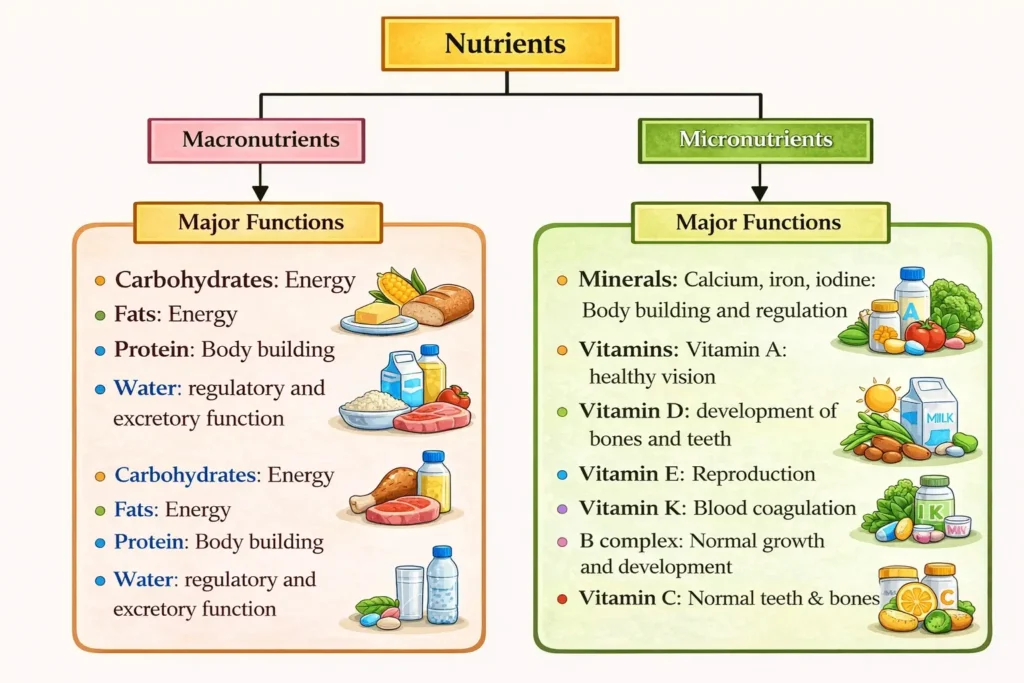
Malnutrition
Malnutrition refers to deficiencies, excesses or imbalance in a person’s intake of energy and nutrients.
Types of Malnutrition
- Undernutrition: A deficiency of nutrients due to insufficient food intake or poor absorption. Manifests in four main forms:
- Severe Acute Malnutrition (SAM): Very low weight-for-height, MUAC <115 mm, or nutritional edema. High mortality risk due to weakened immune system.
- Moderate Acute Malnutrition (MAM): Weight-for-height between -3 and -2 z-scores or MUAC between 11 cm and 12.5 cm. Malnourished but not immediately life-threatening.
- Protein-Energy Malnutrition (PEM):
- Kwashiorkor: Protein deficiency causing edema, skin lesions, stunted growth.
- Marasmus: Severe general malnutrition leading to extreme weight loss, muscle wasting, overall weakness.
- Ketosis: Arises from long-term carbohydrate insufficiency, characterized by elevated levels of ketone bodies in the blood, often marked by a sweet odor on the breath.
- Wasting: Acute malnutrition, weight significantly below expected for height (rapid loss of fat/muscle).
- Stunting: Chronic malnutrition, height significantly below average for age (long-term deficiencies).
- Underweight: Weight lower than expected for age (composite of acute and chronic malnutrition).
- Micronutrient Deficiencies: Inadequate intake of specific vitamins/minerals (e.g., iron, Vitamin A, iodine, zinc) leading to health problems like anemia or night blindness.
- Overnutrition: Excessive intake of nutrients, typically calories, leading to:
- Obesity: Accumulation of excess body fat, increasing risk of diabetes, cardiovascular diseases.
- Mixed Malnutrition: Individuals are overweight/obese but still have micronutrient deficiencies. This, along with undernutrition, forms the ‘triple burden of malnutrition’.
- Hidden Hunger: Deficiencies in essential micronutrients (vitamins and minerals) even with sufficient calorie intake.
- Iron Deficiency (Anemia): Insufficient iron, reduced red blood cells, impaired oxygen transport.
- Vitamin A Deficiency: Lack of Vitamin A, affecting vision, immune function.
- Iodine Deficiency Disorders (IDD): Inadequate iodine, leading to thyroid issues (e.g., goiter).
FSSAI & High-Risk Food Category (2025)
- High risk foods are ready to eat foods that support multiplication of pathogenic bacteria that could be harmful.
- Examples:
- Dairy products (milk, cheese, cream).
- Meat & poultry products.
- Fish & fish products.
- Packaged drinking water (recently included).
- All Central Licensed Manufacturer/Processors of High-Risk Foods → must undergo annual audits.
FSSAI Guidelines on Methylcobalamin
- Methylcobalamin: Activated form of Vitamin B12 → essential for cell multiplication, blood formation, protein synthesis, DNA & RBC production, neurological function.
- Source: Milk and dairy products (natural dietary source).
- Therapeutic Uses:
- Pain alleviation in diabetic neuropathy.
- Treatment of megaloblastic anaemia (Vitamin B12 deficiency).
- Supportive therapy in Alzheimer’s disease & cognitive decline.
- Banned in 2016 → ban lifted in 2021 under certain conditions, notification pending.
- Other Forms of Vitamin B12
- Cyanocobalamin – synthetic form (commonly in supplements).
- Hydroxocobalamin – injectable form, used in severe deficiencies.
- Methylcobalamin – biologically active form, directly utilized by the body.
Eating Disorders
- Eating disorders (EDs) are serious mental health conditions marked by abnormal eating behaviours and distorted body image, leading to physical, psychological, and social impairment.
- Classified under DSM‑5 (psychiatric disorders).
- Commonly seen among adolescents between ages 14 to 18 years.
- Major Types
- Anorexia Nervosa (Refusal to eat food)
- Psychological disorder caused by undernutrition.
- Excessive weight loss due to extreme restriction of food intake, accompanied by an intense fear of gaining weight and distorted body image.
- Case Example: Sonam – aspires for a “perfect” body, almost stops eating, remains undernourished but insists she is fat.
- Health risks: Organ damage, osteoporosis, infertility.
- Bulimia Nervosa (Recurrent binge eating)
- Binge eating (compulsive overeating) followed by compensatory/purging behaviours (vomiting, laxatives, excessive exercise).
- Health risks: electrolyte imbalance, dental erosion, GI issues.
- Anorexia Nervosa (Refusal to eat food)
- Prevalence: In India estimated 2–3% of population affected.
- Urban Youth: Studies in Bengaluru, Mysuru, and South India show 13–26% of students at risk of developing EDs.
Other Related Concepts
Phytochemicals
- They are bioactive compounds in plants with potential health benefits.
- They are found in fruits, vegetables, and whole grains.
Examples of Phytochemicals
| Phytochemical | Food Sources | Health Benefits |
| Flavonoids | Apples, onions, citrus fruits, green tea | Antioxidant, anti-inflammatory, cardiovascular and cognitive benefits |
| Carotenoids | Carrots, spinach, kale, tomatoes | Vision support, immune health, antioxidant |
| Glucosinolates | Broccoli, cabbage, Brussels sprouts | Anti-cancer properties |
| Isoflavones | Soybeans, tofu, soy milk | Hormonal effects, heart health |
| Phenolic Acids | Berries, nuts, herbs | Antioxidant, anti-inflammatory |
| Allyl Sulfides | Garlic, onions, leeks | Cardiovascular benefits |
| Curcumin | Turmeric | Anti-inflammatory, antioxidant |
| Resveratrol | Red grapes, red wine, peanuts | Cardiovascular benefits |
| Saponins | Legumes (beans, lentils,chickpeas) | Cholesterol lowering effects |
Probiotics
- Probiotics are live microorganisms (primarily bacteria and yeast) that provide health benefits, especially to the digestive system, when consumed in adequate amounts. They are often called “good” or “friendly” bacteria.
- Probiotics can be found in certain foods, dietary supplements, and even some skincare products.
| Category | Key Information | Examples |
| Types | Bacteria: Most common type, vital for gut health. | Lactobacillus (e.g., L. acidophilus), Bifidobacterium (e.g., B. bifidum). |
| Yeast: A specific type known for digestive support. | Saccharomyces boulardii. | |
| Sources | Naturally present in fermented foods and available in supplements. | Yogurt, kefir, sauerkraut, kimchi, miso, and certain pickles. |
| Potential Benefits (General) | Support overall digestive health, promote well-being, and modulate the immune system. | — |
| Benefits for Gluten Sensitivity | Probiotics may aid in the breakdown of dietary components, including gluten, and help balance the gut’s immune response. | Specific Lactobacillus and Bifidobacterium strains are studied for gluten-related concerns. |
Types of Organic Acids & Their Sources
| Acid Name | Found In | Uses |
| Acetic acid | Vinegar | Preservative, flavoring (condiment) |
| Citric acid | Lemons, Limes, Oranges (Citrus fruits) | Preservative, antioxidant, flavoring agent and acidity regulator. |
| Lactic acid | Curd, fermented foods (Yogurt). | Preservative, probiotic. Produced by fermentation of milk sugar (lactose). |
| Benzoic acid | Cranberries, Plums, Cinnamon (naturally). Synthetic additive | Packaged food preservative (often as its sodium salt, Sodium Benzoate). |
| Tartaric acid | Tamarind, grapes | Baking, effervescence |
| Malic Acid | Apple, ripe bananas, berries, pomegranates | |
| Phosphoric Acid | Fruit-flavored soft drinks | |
| Carbonic Acid | Soda water, carbonated beverages |
Vinegar & Organic Acids
- Vinegar is produced by fermentation of sugary liquids like sugarcane juice, fruit juice, or molasses.
- Process:
- Alcoholic fermentation: Sugar → Ethanol (by yeast).
- Acetic fermentation: Ethanol → Acetic acid (by Acetobacter bacteria).
- The main acid in vinegar is acetic acid (CH₃COOH). Gives vinegar its sour taste and preservative properties
- The high acidity (pH≈2.4−3.4) due to acetic acid makes vinegar effective at inhibiting the growth of most bacteria, yeasts, and molds, hence widely used in pickling and canning.



