Biotechnology Trends and Applications is an important topic in Science and Technology that explores the latest advancements and practical uses of biotechnology in medicine, agriculture, industry, and environmental management. It highlights how modern biotechnological innovations are transforming healthcare, food production, and sustainable development. Under this topic, we will study various emerging trends, applications, and technological developments in the field of biotechnology.
Cloning
Cloning = Process of producing genetically identical copies of organisms, cells, or DNA fragments.
Types of Cloning
DNA Cloning (Molecular Cloning)
Copying specific DNA fragments using vectors (plasmids, phages).
Used in recombinant DNA technology, gene sequencing, and protein production.
Reproductive Cloning
Produces a whole organism genetically identical to the donor.
Technique: Somatic Cell Nuclear Transfer (SCNT).
Example: Dolly the sheep.
Therapeutic Cloning (Stem Cell Cloning)
Produces embryonic stem cells genetically identical to the donor.
Used for regenerative medicine, tissue repair, and disease modeling.
Somatic Cell Nuclear Transfer (SCNT) Technology
SCNT technology, also known as “cloning by nuclear transfer,” is a technique used in the field of reproductive cloning.
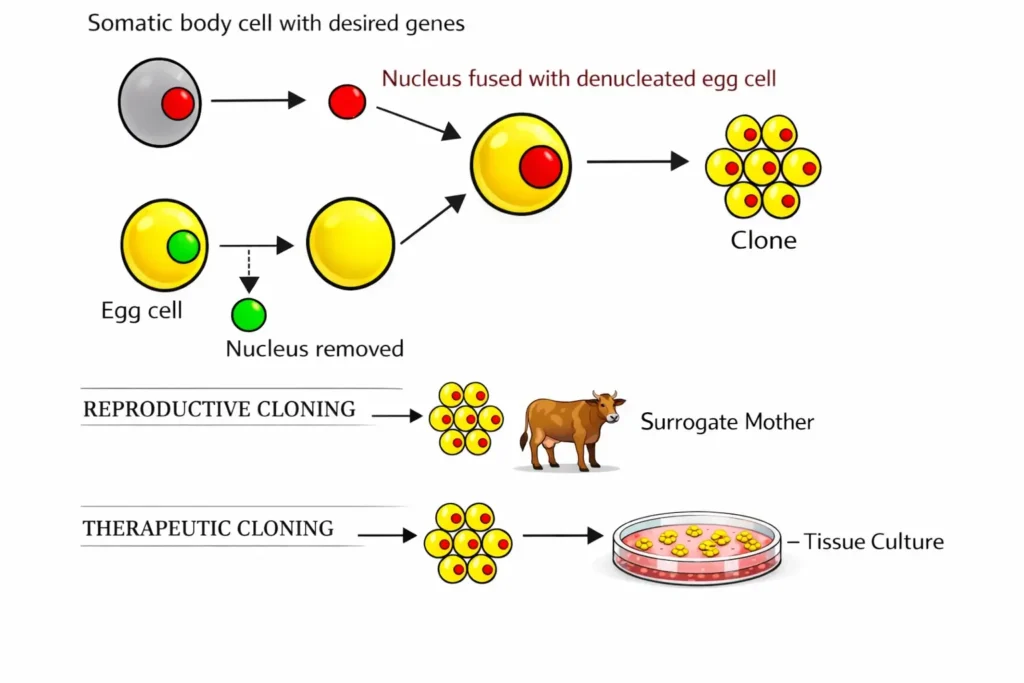
Somatic Cell Nuclear Transfer (SCNT) is a cloning technique where the nucleus of a somatic (body) cell is transferred into an enucleated egg cell to create a genetically identical organism(clone) or to generate patient-specific stem cells.
Process Steps
Somatic Cell Selection: An adult cell (skin, hair, nail, muscle cell etc.) is chosen rather than a germ cell (sperm or egg) and its nucleus is extracted.
Enucleation: Take an egg cell from a donor and remove the nucleus from the egg/oocyte.
Nuclear Transfer: The nucleus of the somatic cell is inserted into the enucleated egg.
Activation: The egg is stimulated (via electric pulse or chemicals) to start dividing.
Embryo Formation: The cell develops into a blastocyst – an early-stage embryo.
Outcome:
For Reproductive Cloning: Embryo is implanted into a surrogate.
For Therapeutic Cloning (Stem Cell Therapy): Embryo is used to derive embryonic stem cells.
Applications of SCNT
Field
Use Case
Cloning (not plant breeding)
Dolly the sheep (1996) – first mammal cloned using SCNT.
Stem Cell Research
Creation of patient-specific embryonic stem cells.
Disease Modeling
Studying genetic diseases like Parkinson’s or Alzheimer’s.
Regenerative Medicine
Potential for tissue repair and organ regeneration.
Drug Testing
Personalized cell lines for pharmaceutical testing.
Key Milestones SCNT Technology in India
Year
Milestone
Institution
2009
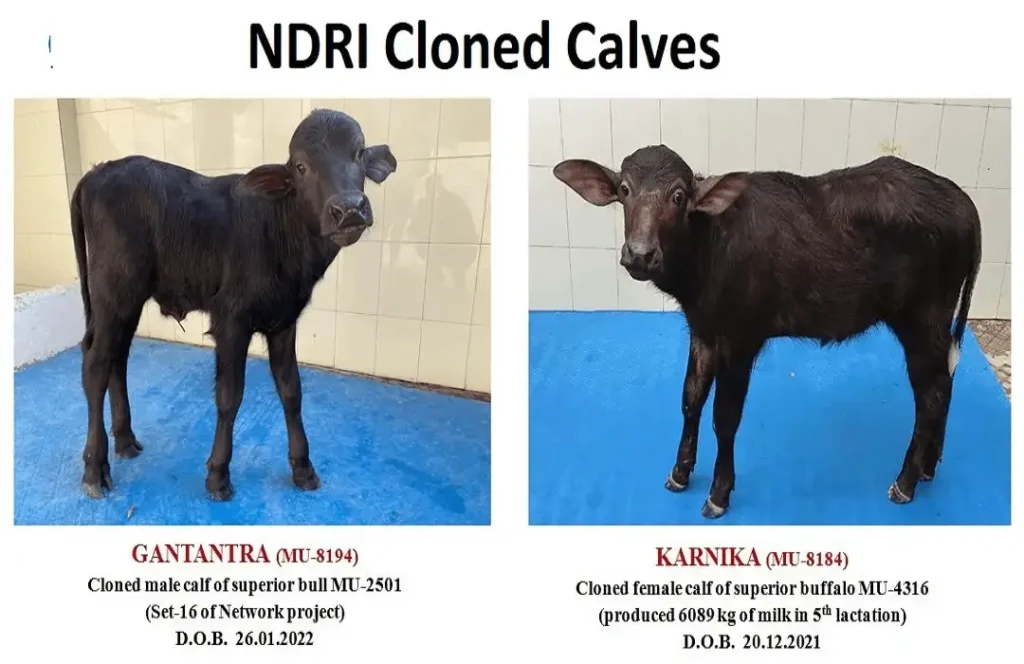
Samrupa – World’s first cloned riverine buffalo calf (Murrah breed).Garima – Second Cloned Buffalo Calf of the World.Using Handguided Cloning Technique.
ICAR–NDRI, Karnal
2023
Ganga – India’s first cloned cow (Gir breed).
ICAR–NDRI, Karnal
Innovations
Handmade Cloning (HMC): A simplified SCNT method developed in India to improve efficiency and reduce cost.
Ovum Pick-Up (OPU): Non-invasive technique used to extract oocytes from cows without harming them.
Tail Cell Cloning: Somatic cells from cow tail used for cloning Gir breed cattle.
Unified Genomic Chip
Developed by Department of Animal Husbandry and Dairying (DAHD), Ministry of Animal Husbandry, Dairying and Fisheries.
For genomic profiling and evaluation of Indian cattle breeds.
Two versions: ‘Gau Chip’ for cattle and the ‘Mahish Chip’ for buffalo.
Raj-Sheetal
Feature
Details
What is it?
India’s first horse foal born through cryopreserved embryo transfer (2019).
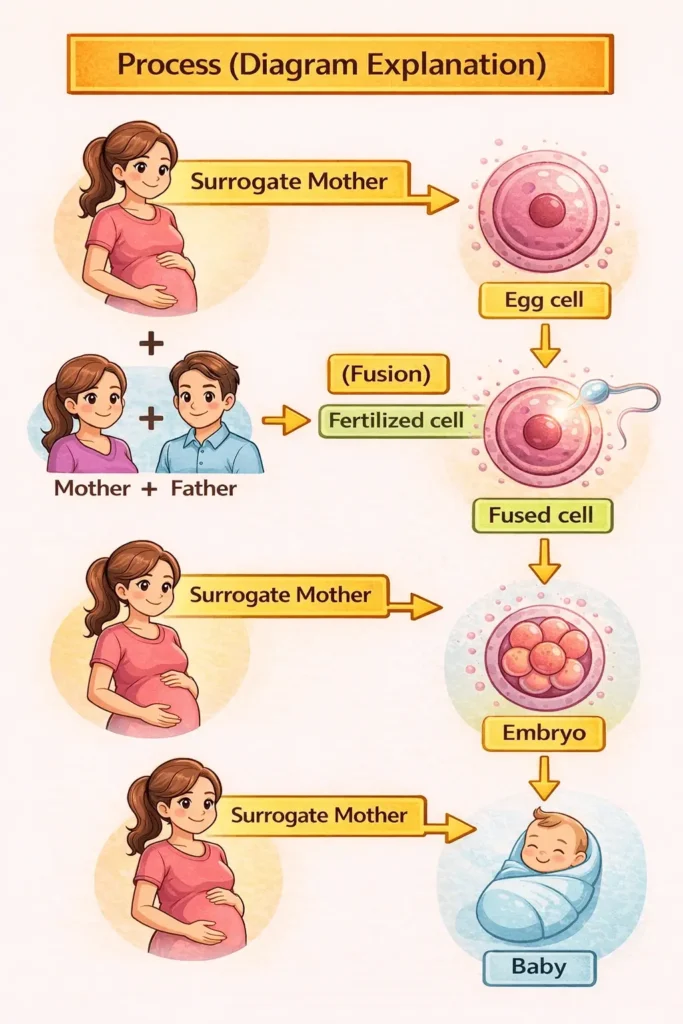
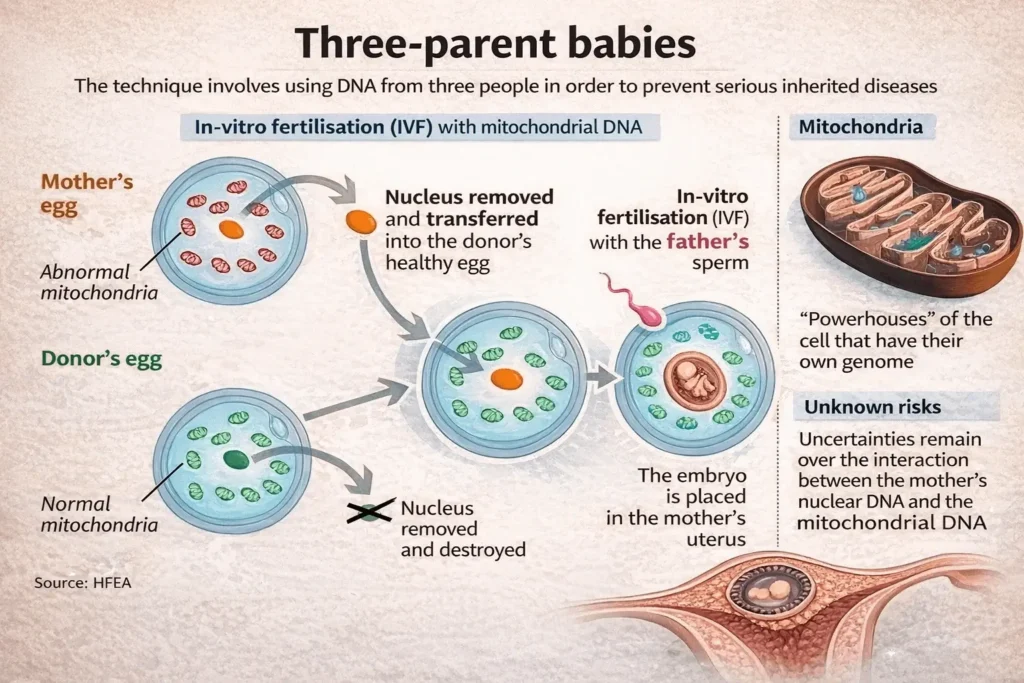
Mitochondrial Donation Treatment (MDT) enables conception using DNA from three people – biological parents + mitochondrial donor.
Purpose
Preventstransmission of mitochondrial diseases from mother to child by replacing diseased mitochondria with healthy donor mitochondria.
Process
Involves IVF (in vitro fertilization) combining:Nuclear DNA from biological parentsMitochondrial DNA from healthy donor.
Key Methods
Pronuclear Transfer (PNT) – Transfers pronuclei from fertilized egg to donor egg with healthy mitochondria.Spindle Transfer (MST) – Transfers spindle apparatus (chromosomes) from mother’s egg to donor egg before fertilization.
Significance
A Jordanian boy born in Mexico (2016) → World’s first “three-parent baby”.First successful birth in UK using this method (2023). Offers solution for families affected by mitochondrial diseases (e.g., Leigh syndrome, MELAS).
Ethical Concerns
Controversial due to genetic modification implications.
India
India has not yet approved MDT for clinical use, but research interest is growing in reproductive biotech and mitochondrial genomics.
Mitochondrial DNA is more prone to mutations compared to nuclear DNA. This is because mitochondria are exposed to free radicals generated during energy production, which can damage DNA.
Designer Baby
A designer baby refers to a human embryo that has been genetically modified, typically using techniques like CRISPR-Cas9, to influence traits such as appearance, intelligence, or disease predisposition.
The Chinese scientist modified the CCR5 gene on the embryonic cells of the couple to make them resistant to the HIV virus (CCR5 is a gene that codes for receptors in our immune cells which HIV uses like a gateway to get inside the cell).
Recently, in controversial Epstein files there is reference of designer babies.
Stem Cells
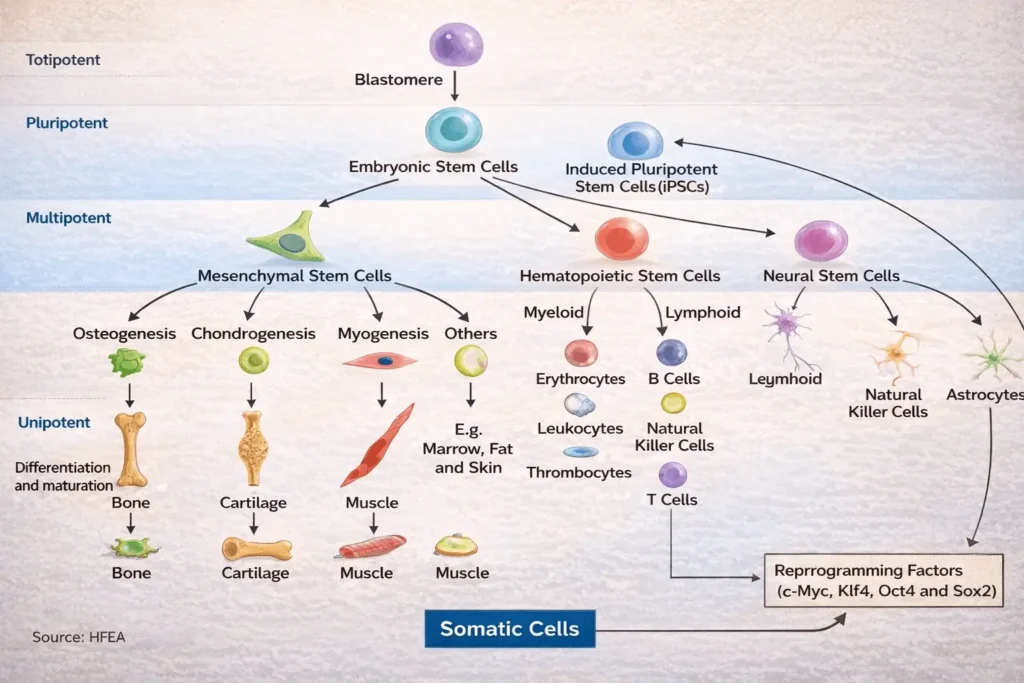
Cells with the unique abilityto develop into specialised cell types in the body.
They serve as a sort of internal repair system, dividing essentially without limit to replenish other cells as long as the person or animal is still alive.
Stem cells can be derived from various sources, including humans, plants, and even certain invertebrates, not just mammals.
India’s first Embryo Bank – Chennai.
Types of Stem Cells
Type
Description
Example
Totipotent
Can develop into all cell types + extraembryonic tissues (placenta, umbilical cord)
Only found in fertilised egg (zygote)
Pluripotent
Into most cell types, but NOT in extraembryonic tissues
Significance: Potential game-changer in T1D treatment by reversing disease and reducing dependence on insulin injections.
CAR (Chimeric antigen receptor) – T Cell Therapy
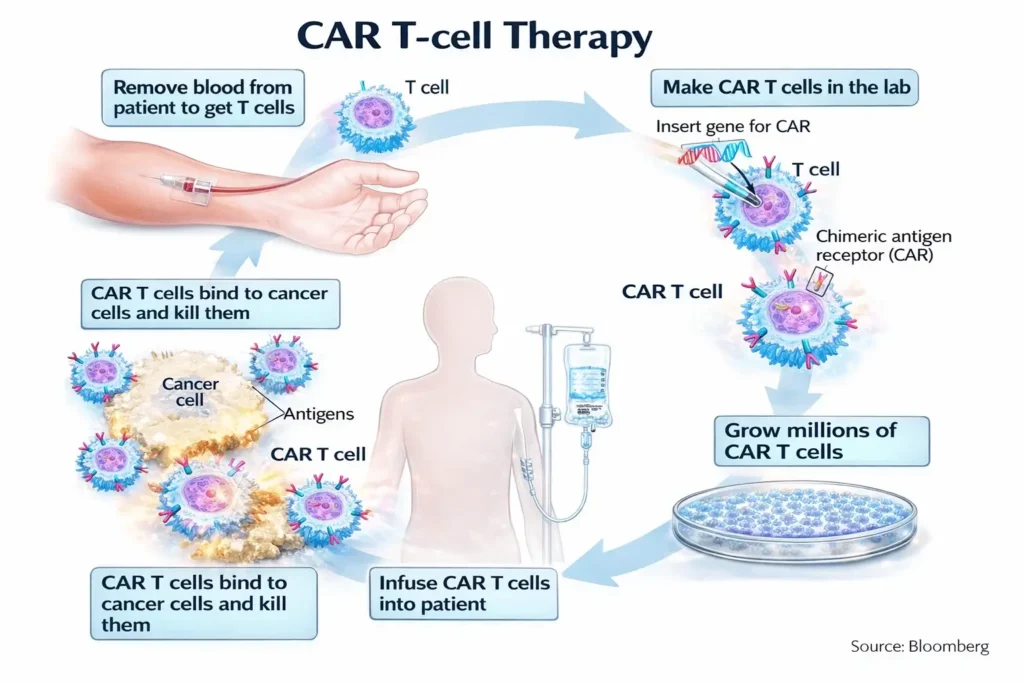
CAR T-cell therapy is a cell-based gene therapy which involves genetically modifying our immune cells called T-cells to help them attack cancer cells.
T-cells taken from patient’s blood → CAR gene inserted → CAR T-Cells infused in blood.
Therapy is called ‘living drug’ – it uses live cells.
NexCAR19 : India’s own CAR-T cell therapy
Central Drugs Standard Control Organisation (CDSCO) has granted market authorisation/ approval for NexCAR19. With this India has its indigenous CAR-T and gene therapy platform.
To target cancer cells that carry CD19 protein.
NexCar19 is developed indigenously by ImmunoACT (a company incubated at IIT Bombay).
Organ on Chip Technology
OoC is a micro-engineered device that mimics the structure and function of human organs for drug testing, disease modelling, and biomedical research.
RNA Editing
Cell synthesises messenger RNA (mRNA) using instructions in DNA (Transcription).
Cell then ‘reads’ instructions from the mRNA to make functional proteins.
During this process of transcription, the cell may make mistakes in the mRNA’s sequence and based on it produce faulty proteins.
Many of these proteins have been known to cause debilitating disorders. (E.g. Muscular dystrophy)
RNA editing allows scientists to fix mistakes in the mRNA after the cell has synthesised it but before the cell reads it to make the proteins.
Gene Silencing
Gene silencing = Biological process where the expression of a gene is suppressed or reduced, preventing production of its protein.
Unlike Gene Knockout (which permanently deletes a gene), Gene Silencing is a Gene Knockdown mechanism – it reduces gene expression (often by 70% or more) without altering the underlying DNA sequence.
It is a natural regulatory mechanism but can also be induced artificially for research or therapy.
Types & Mechanisms: DNA methylation, histone modification, Antisense Oligonucleotides (ASOs), and RNA‑mediated mechanisms such as RNA interference.
Applications
Medicine:
Treatment of rare diseases or genetic disorders (e.g., Huntington’s disease, muscular dystrophy).
Cancer therapy by silencing oncogenes.
Antiviral therapies (HIV, Hepatitis).
FDA-approved therapies:
Patisiran (RNAi drug) for hereditary transthyretin amyloidosis.
Givosiran for acute hepatic porphyria.
Agriculture:
Developing pest-resistant and stress-tolerant crops.
Nutritional Enhancement: Reducing allergens (e.g., gluten in wheat) or toxins (e.g., nicotine in tobacco, caffeine in coffee).
Shelf-life Extension: The Flavr Savr Tomato (first GM food) used antisense technology to silence the gene responsible for fruit softening.
RNA interference (RNAi) Technology
RNAi disrupts the production of harmful proteins by intercepting and incapacitating mRNA transcripts before they make it to ribosomes. This prevents the corresponding proteins from being made.
Used for controlling gene expression, gene-silencing.
RNAi → Gene silencing without DNA changes.
Biofuel
Any hydrocarbon fuel that is produced from an organic matter (living or once living material) in a short period of time (days, weeks, or even months) is considered a biofuel.
Biofuels may be solid, liquid or gaseous in nature.
CRISPR is used to genetically modify microbes like yeast to improve its efficiency of fermentation and ethanolproduction at a faster rate.
Major Feedstocks → Sugarcane, maize, rice straw, bagasse, used cooking oil, municipal solid waste.
Types of Biofuels (By Generation)
Gen.
Source Material
Examples
Key Features
1st Gen
Edible crops (sugarcane, corn, soybean)
Bioethanol, Biodiesel
Food vs fuel conflict; limited yield
2nd Gen
Non-edible biomass, agri waste
Cellulosic ethanol, bio-oil
Uses crop residue, stubble, forestry waste
3rd Gen
Algae, microbes
Algal biodiesel, biohydrogen
High yield, low land use
4th Gen
Genetically engineered organisms (GE Algae)
Synthetic biofuels
Carbon-negative potential
Biofuel Development in India
India → 3rd largest biofuel producer globally.
Asia’s first 2G ethanol refinery: Panipat, Haryana (IOCL).
Feedstock – rice straw.
Ethanol Blended Petrol (EBP) Programme
Original Goal: 20% ethanol blending in petrol (E20) by 2030
Revised Goal: Advanced to 2025 due to rapid progress.
Current Status (2025): March 2025 → 20% target achieved.
Policy Support for Biofuel in India
National Bio-Energy Programme (2021–2026)
Launched by Ministry of New & Renewable Energy (MNRE) with ₹858 crore outlay.
Aims to unify and strengthen India’s bioenergy ecosystem – including biogas, biomass power, and advanced biofuels.
Sub-schemes:
Waste to Energy (Urban, industrial, and agricultural waste)
Biomass Programme (Power generation from crop residue, bagasse)
Biogas Programme (Small and large-scale biogas plants).
SATAT Scheme (Sustainable Alternative Towards Affordable Transportation)
Launched in October 2018 by Ministry of Petroleum & Natural Gas (MoPNG).
Promotes production and use of Compressed Biogas (CBG) from waste biomass.
Target: 15 million tonnes of CBG/year from 5000 plants
Feedstock: Agricultural residue, cattle dung, municipal solid waste.
Launched in 2019 by MoP&NG to promote 2nd Generation (2G) ethanol from non-food biomass → lignocellulosic feedstock (e.g., paddy straw, bagasse, forest residue).
Implementation Agency: Centre for High Technology (CHT), a technical body under the aegis of MoP&NG.
Viability Gap Funding (VGF) for 2G ethanol plants
First 2G ethanol plant inaugurated in Panipat (2022) by Indian Oil.
Extended till 2028–29 to attract more investment.
Drop-in Fuel
A fuel fully compatible with existing petroleum infrastructure → Do not require changes in vehicle technology or fueling systems.
Antimicrobial Resistance (AMR)
AMR occurs when bacteria, viruses, fungi, and parasites evolve over time and no longer respond to antimicrobials (such as antibiotics, antivirals and antimalarials).
WHO has declared AMR as one of the top 10 global public health threats facing humanity.
Causes of AMR:
Over prescription and unregulated use of antibiotics
Adding excessive antibiotics to agricultural feed.
Poor hygiene etc.
Efforts to Control AMR
Steps by WHO against AMR
Steps by India
Global Action Plan on Antimicrobial Resistance.
National Action Plan on containment of Antimicrobial Resistance (NAP-AMR), 2017.
AWaRe (Access, Watch, Reserve) Tool: To monitor and manage the use of antibiotics.
Delhi and Chennai Declaration on AMR
Global Antimicrobial Resistance and Use Surveillance System (GLASS).
Red Line Campaign on Antibiotics (MoH&FW). → Urging people not to use medicines marked with a red vertical line, including antibiotics, without a doctor’s prescription.
Schedule H1 to the Drugs and Cosmetics Act 1940.
National One Health MissionPrime Minister’s Science, Technology, and Innovation Advisory Council (PM-STIAC) in 2022.Aim : coordinate across ministries in achieving overall pandemic preparedness and integrated disease control against priority diseases of both human and animal sectors.
Biofilm
Thin layer of microorganisms (mainly bacteria) that forms on various surfaces (like medical implants, kitchen counters, food and food-processing surfaces, contact lenses, human and animal tissue) and exhibits antimicrobial resistance.
Significance
Major cause of chronic infections and contamination in medical, industrial, and food sectors.
Calls for innovative strategies to prevent and control biofilm formation.
Nafithromycin
India’s first Indigenous antibiotic.
Concept of One Health
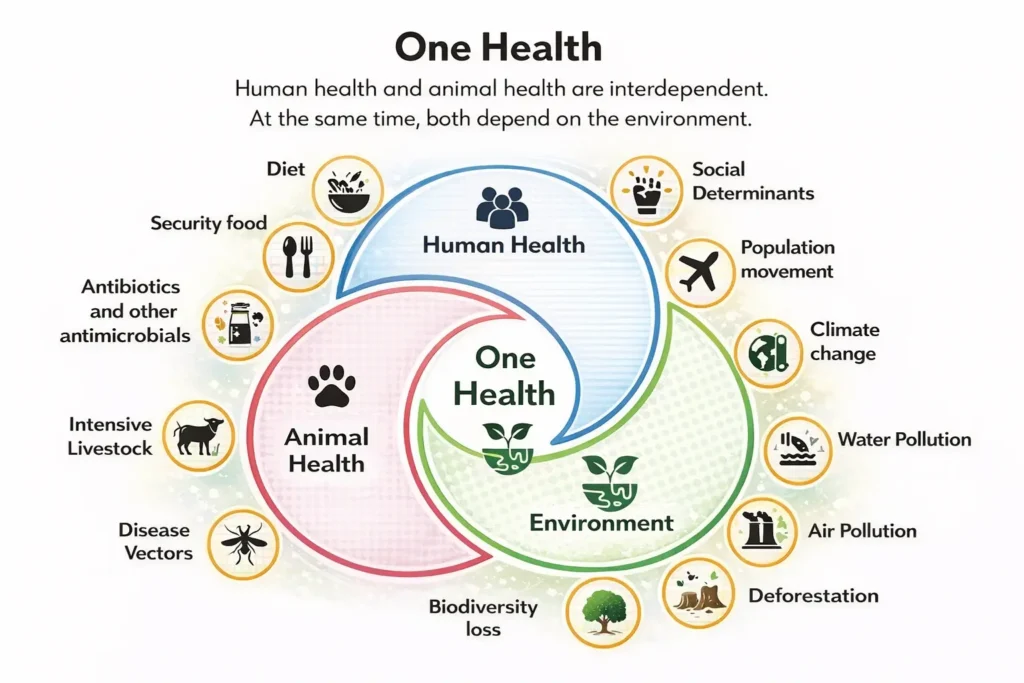
One Health is an approach that recognises that the health of people is closely connected to the health of animals and our shared environment.
One Health is a collaborative, multi-sectoral, and transdisciplinary approach that recognizes:
“The health of humans, animals, and ecosystems is interconnected and interdependent.”
It aims to prevent, detect, and respond to health threats at the interface of people, animals, and the environment, especially zoonotic diseases, antimicrobial resistance (AMR), and food safety.
Deforestation, climate change, water contamination
One Health in India: Recent Developments
National One Health Mission
Inter-ministerial initiative approved by Prime Minister’s Science, Technology, and Innovation Advisory Council (PM-STIAC) in 2022.
Works with ICMR, ICAR, MoEFCC, MoHFW, and state governments.
Implementing Agency: Indian Council of Medical Research (ICMR).
Objective: To coordinate, support, and integrate all One Health activities in India and fill gaps through a cross-ministerial approach.
Focuses on epidemic preparedness, zoonotic disease surveillance, and interdisciplinary research.
Governance Structure
Executive Committee:
Chairman:Health Minister.
Vice-Chair: Principal Scientific Advisor (PSA) to GoI.
Scientific Steering Committee
Chairman: Principal Scientific Advisor (PSA) to GoI.
The government launched the “Animal Pandemic Preparedness Initiative (APPI)” as well as the World Bank-fundedAnimal Health System Support for One Health (AHSSOH) project under the aegis of the National One Health Mission.
One Health Conclave 2025 held in Meghalaya to strengthen regional and global collaboration.
ICMR & ICAR collaborating on AMR in poultry and livestock.
Use of AI and predictive analytics for outbreak forecasting and zoonotic mapping.
Global Context
WHO, FAO, UNEP, and WOAH formed the Quadripartite One Health Collaboration.
One Health High-Level Expert Panel (OHHLEP) guides global policy → scientific and strategic advisory group to the Quadripartite organizations.
One Health Joint Plan of Action (2022-2026).
COVID-19 pandemic accelerated adoption of ‘One Health’ principles worldwide.
Drugs/Pharmaceuticals
Generic drugs are chemically identical to the original branded drug and, as such, cost significantly less because they don’t require much testing.
However biosimilars are made from living organisms, and don’t contain identical ingredients to their name-brand counterparts, they still require some testing. So, they cost more than generics, but less than the branded biologic.
Biosimilars vs Generics
Feature
Biosimilars
Generics
Source
Generally made from natural or living sources.
Generally made from chemicals
Production Process
Require a specialized process to produce
Have a simpler process to copy
Similarity
Highly similar to the reference biologic but not an exact copy.
Chemically identical to brand-name drug
Cost
Usually less expensive than original biologics
80–85% cheaper than brand-name drug
Initiatives of Pharma Sector
National Biopharma Mission
Launch: 2017, by Department of Biotechnology (DBT), Ministry of Science & Technology
Funding: ₹1,500 crore (2017–2022), supported by World Bank.
Objective: Promote development & commercialization of novel biopharma products (vaccines, monoclonal antibodies, biologics).
Vision: Position India as a global hub for biopharmaceutical innovation, manufacturing & exports.
Innovate India (i3) Programme
Programme under the National Biopharma Mission aimed at innovation and industry-academia collaboration.
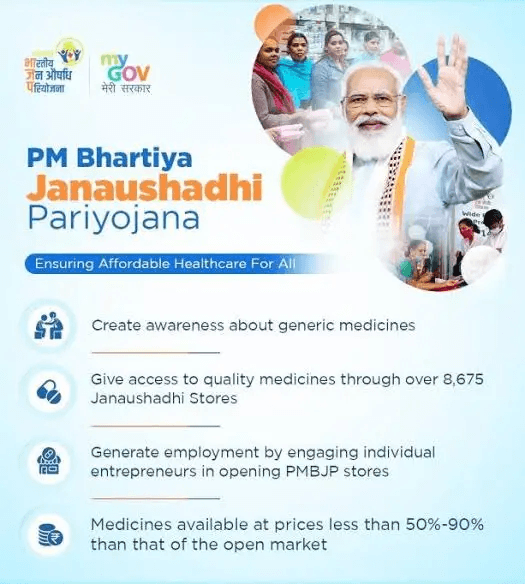
Launch Year: Originally in November 2008 as Jan Aushadhi Scheme; renamed PMBJP in 2016.
Implemented by the Pharmaceuticals & Medical Devices Bureau of India (PMBI) (Department of Pharmaceuticals, Ministry of Chemicals & Fertilizers).
Objective: To provide quality generic medicines, surgicals, and consumables at affordable prices, especially to economically weaker sections, and reduce out-of-pocket healthcare expenditure.
Generic drugs cost 50–90% less than branded alternatives.
Incentive Structure
Up to ₹5 lakh per Kendra.
Additional ₹2 lakh for aspirational districts & NE states.
Monthly incentive: 15% of purchase (max ₹15,000/month)
By January 2025, India had already established 15,057 Jan Aushadhi Kendras, surpassing the March 2025 target two months early.
Jan Aushadhi Diwas 2025
7th March is celebrated as ‘Jan Aushadhi Diwas’ to raise awareness about the scheme and promote the use of generic medicines.
Celebrated from March 1–7 as Jan Aushadhi Saptah.
Theme: “जन औषधि: दाम कम, दवाई उत्तम”।
Major Initiatives under PMBJP
Suvidha Sanitary Napkins:
Launched: 27 August 2019.
Objective: Health security for Indian women → Oxo-biodegradable Sanitary Napkins.
Price: ₹1 per pad.
Jan Aushadhi SUGAM Mobile App (2019)
Features: Locate nearby Kendras via Google Maps, search generic medicines, compare generic vs branded prices, calculate savings.
Aims to enhance accessibility and transparency.\
Some Important Concepts Related to BioTechnology
Biometrics
Biometrics = Technology that uses unique biological and behavioral characteristics to identify individuals.
Types of Biometric Identifiers
Physiological
Relates to the physical body structure.
Fingerprints, Iris Scans, Facial Recognition, Hand Geometry, DNA, and Retinal scans.
Decomposes H₂O₂ into water + oxygen → Protects cells from oxidative damage
Prevents oxidative stress
Cytochrome C Oxidase
Mitochondria
Terminal enzyme in ETC → Catalyzes oxygen reduction
Critical for ATP synthesis
Hyaluronidase
Sperm cells and some cancer cells
Degrades hyaluronic acid in extracellular matrix
Assists sperm movement; helps cancer metastasis
Lysosomal Acid Lipase
Lysosomes
Hydrolyzes cholesteryl esters and triglycerides
Deficiency causes lipid storage disorders
Department of Biotechnology Year End Review 2025
1. Bio-Economy & Global Standing
Bio-economy Growth: India’s bio-economy expanded (16x fold) from $10 billion (2014) to $165.7 billion (2024), with a target of $300 billion by 2030.
Global Rank: India is ranked 12th in the world in biotechnology and 3rd in the Asia-Pacific region.
Ecosystem: India hosts the 3rd largest startup ecosystem globally and is the world’s largest vaccine manufacturer.
2. Key Policies & Institutional Frameworks
BioE3 Policy:
Focuses on “Economy, Employment, and Environment” through high-performance biomanufacturing.
Thematic Sectors: Includes bio-based chemicals, smart proteins, precision biotherapeutics, climate-resilient agriculture, carbon capture, and futuristic marine/space research.
BioE3 Cells: Interconnected knowledge hubs being established at the state level (e.g., Assam was the first to sign an MoU; Sikkim has a notified cell).
BioE3 “D.E.S.I.G.N” Challenge: Launched to empower youth in solving critical issues through biotechnology.
National Biofoundry Network: India’s first network of six biofoundries was launched to strengthen indigenous biomanufacturing.
Biomedical Research Career Programme (BRCP) Phase-III (2025-2031): Approved with an outlay of ₹1,500 crore (DBT contributing ₹1,000 cr; Wellcome Trust, UK contributing ₹500 cr).
Biotechnology Research and Innovation Council (BRIC): Subsumes 13 autonomous research institutions into a single governance body to synergize research.
3. Health & Medical Biotechnology
GenomeIndia Project: Achieved the milestone of 10,000 whole genome sequences made accessible via the Indian Genomic Data Set.
TB Elimination (Dare2eraD TB): Sequenced 18,000 Mycobacterium tuberculosis (MTB) isolates to map drug resistance using AI-enabled tools.
GARBH-INi Program:
Developed a panel of 66 SNPs (genetic markers) to predict preterm birth risk (sPTB) in Indian women.
Created AI-driven tools for accurate gestational age assessment.
12,000 pregnant women enrolled with 14 lakh biospecimens and 1 lakh ultrasound images archived.
National Biopharma Mission (NBM): Delivered indigenous technologies including ZyCoV-D, Corbevax, biosimilars like Liraglutide and India’s first indigenous MRI scanner.
CAR T-cell Therapy: Launch of Varnimcabtagene autoleucel (IMN-003A) for treating B-cell malignancies.
Indigenous Medical Devices:
Septicheck: HPLC-based multiplex drug monitoring kit.
OncoAlert: Screening device for oral cancer.
Hip Pro: Smartbelt for the elderly that inflates cushions automatically during a fall.
4. Agriculture & Food Biotechnology
Gene-Edited Rice: Developed high-yielding varieties by editing the DEP1 (DENSE PANICLE-1) gene, resulting in a 20% yield increase.
Climate Resilience:
Advika & Saatvik: Drought-tolerant chickpea varieties selected for the “Self-Reliance in Pulses Mission” (developed by BRIC-NIPGR).
ADT 39-Sub1: Rice variety tolerant to submergence.
Arun: A drought-resistant rice variety for the North Eastern Region (by Assam Agricultural University).
Abu Saunf-440:
A climate-specific, drought-resistant, high-yielding, disease resistant fennel variety.
A farmer-led innovation developed by Shri Ishaq Ali of Kachholi village, Sirohi, under the DBT Biotech-KISAN Hub.
Abu Saunf Community Gene Bank: At Sirohi for biodiversity conservation.
CRISPR-Edited Mustard: Transgene-free lines (Brassica juncea) developed with reduced harmful glucosinolates and higher glucoraphanin (anti-cancer properties). Knockout of the ALKENYL HYDROXALKYL PRODUCING 2 (AOP2) gene family.
Varuna, Pusa bold, Pusa Jai Kisan and Rohini : Rust resistance varieties of mustard.
Indian Rice panArray (IndRA) : First-ever pan-genome-based SNP genotyping assay developed for crop plants.
Indian Chickpea panArray (IndiCA): Pan-genome SNP Genotyping Array for chickpea.
Genomics: Reference genomes sequenced for Linseed (T 397- Telomere-to-Telomere Genome).
New Guidelines: Notification of the ‘Guidelines on Genetically Engineered Plants Containing Stacked Events, 2025’ for biosafety assessment.
5. Space Biotechnology (Axiom-4 Mission)
Muscle Regeneration:India’s first human muscle stem-cell experiment on the ISS showed impaired regeneration and reduced mitochondrial function in microgravity, mimicking terrestrial sarcopenia (muscle aging).
Life Support: Validated the growth of microalgae (Chlorella sorokiniana-1) and cyanobacteria in microgravity, proving they can utilize human waste (CO2/urea) for nutrition (Recycling human waste → nutrients).
6. Energy, Environment & Bioinformatics
Biofuel (1G Ethanol): Developed (by International Centre for Genetic Engineering and Biotechnology, New Delhi) an engineered Glucoamylase Secreting yeast strain that reduces external enzyme requirements by 50% during grain fermentation .
Indian Biological Data Centre (IBDC): Launched portals like FeED (Framework for Exchange of Data Protocols) to manage biological data modularly.
7. Schemes
Bio-incubators Nurturing Enterprise for Scaling Technologies (BioNEST): BIRAC’s Incubation network.
EYUVA (Encouraging Youth for Undertaking Innovative Research Through Vibrant Acceleration): An initiative of BIRAC designed to cultivate a culture of applied research and innovation among young students across India.