

Sol –
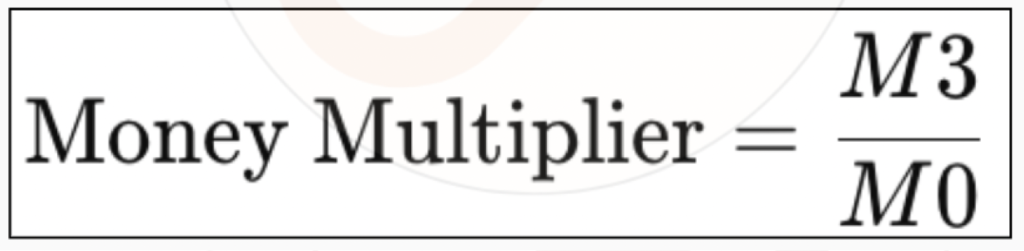
The money multiplier refers to the ratio that measures how much broad money (M3) is created in the economy for every unit of reserve money (M0).
- M3 = Currency in circulation (CU) + Demand and time deposit with banks
- M0 (High-powered money) = Currency in circulation + Bank‘s deposit with RBI + Other deposits with RBI
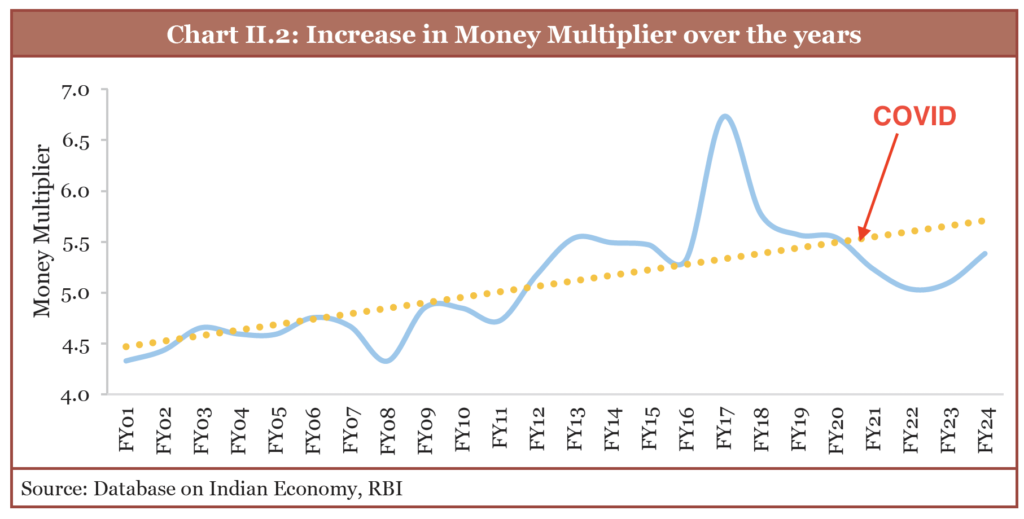
Post-COVID trend of MM in India – In India, recent efforts to promote financial inclusion have encouraged people to hold less cash in hand relative to their deposits, which partly explains the increase in the MM
Sol –
Causes of food inflation in India –
- Supply chain disruption
- Extreme weather conditions – Heatwaves and heavy rain (Unseasonal and uneven rainfall)
- Poor infrastructure and logistics
- Illegal hoardings
- Post-harvest losses [Food wastage]
- Regional and seasonal disparity – Many vegetables like Tomatoes and onions, are concentrated in a few states and are mainly grown in the Rabi season.
- Rising international vegetable oil prices
- Note – Vegetables (Especially tomato, Onion, and Potato) and pulses (Especially Tur) contribute the maximum to food inflation
Measures taken –
- Robust data collection on price fluctuations
- Buffer stocks
- Open market sale scheme for wheat and rice from the central pool
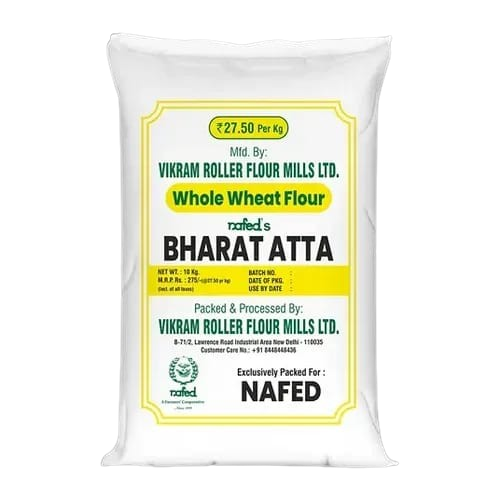
- Bharat aata, Bharat chana, moong
- A buffer stock of onions under price stabilization fund
- Price stabilization scheme
- Reducing post-harvest losses
- Operation TOP
- Food processing
- Climate-resilient crops (Research and Development)
- High-yield and disease-resistant seed varieties
- Ban on hoarding and applying stock limits
- Stock limit on wheat and Tur dal
- Stock disclosure portal
- Subsidized sell
- Of onion and tomato in Sept-Oct 2024
- Export control
- Import from African countries (Pulses)
- Ex – The country imported 7.7 lakh tonnes of tur in FY24, mainly from Mozambique, Tanzania, Malawi, and Myanmar
- Ex – Duty-free import of chana, tur, urad, and masoor
- Better logistics [All-weather roads, warehouses, refrigerated trucks, Kisan rail, Krishi UDAN scheme, etc)
- Measures in the budget 2024-25 like – Farmer produce organizations, Cooperatives, and startups for the vegetable supply chain


