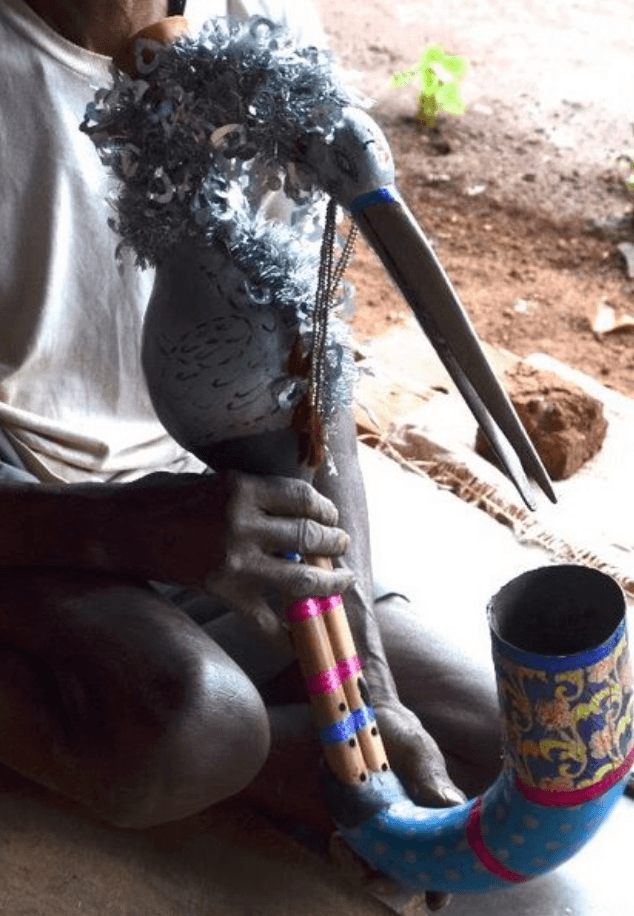
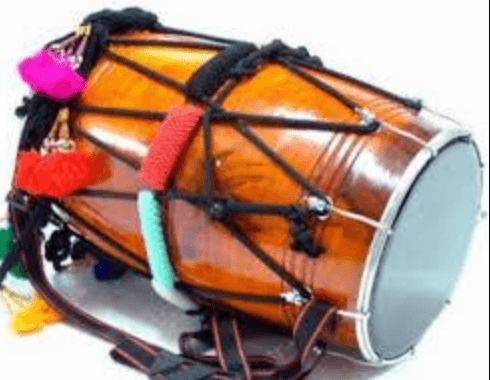
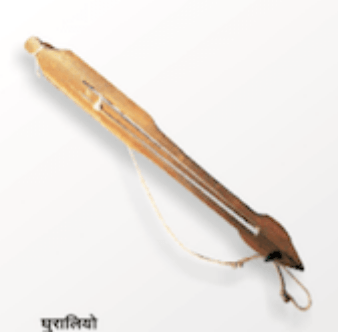
Folk Instruments are an essential component of Rajasthan Art & Culture, reflecting the musical traditions and artistic creativity of the region. These instruments are commonly used in folk songs, dances, and cultural performances during festivals and social occasions. Folk instruments such as Ravanhatta, Algoza, Bhapang, and Dholak add unique rhythm and melody to the vibrant musical heritage of Rajasthan.
String Music Instruments
In this category of instruments, sound is produced by the vibration of the strings. Vibrations are produced by plucking, strumming, or rubbing the strings with a bow , which determines the pitch and duration of the note based on the length and tightness of the string.
Gaj – a bow made from horse tail hair
Mizrab – worn by the player to protect his fingers from cut
Music Instruments
Key Points
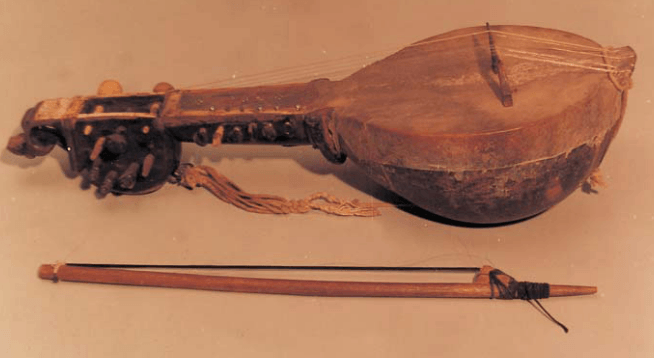
Sarangi
Best among string instruments
27 strings, Rohida/Teak wood, played with a bow
Famous players – Ramnarayan (Udaipur), Sultan Khan (Sikar) , Ustad Sultan Khan (the lovable sultan of the sarangi)
Types –
Dhani Sarangi – (Played by the Jogi who narrates the story of Nihalde)
Gujarati Sarangi – ( 7 strings, by the ‘ Langa ‘ community)
Jogiya Sarangi – (4 strings, used by the Bhartrihari Jogis of Alwar-Bharatpur along with Bhartrihari)
Herbal Sarangi/Cupped Sarangi (used by the Manganiyars of Jaisalmer district)
Famous – Padmashree Kamal Saker Khan (Hamira, Jaisalmer)
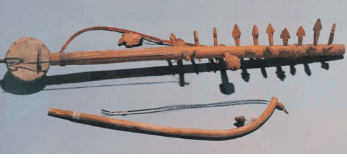
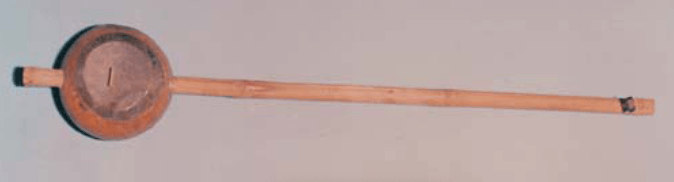
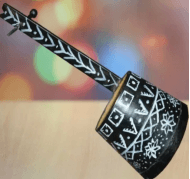
Ravana Hattha
Rajasthan’s oldest, earliest form of violin
A long bamboo stem to which a half coconut shell covered with goatskin is attached
9 wire ; use of gauze
Use : dungji and jawaharji bhopas, Pabuji phad, Ramdev ji phad, bhopa- bhopi and Kanjar community
Gujri
Kamyacha-like; 5 strings ; Western Rajasthan
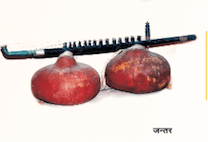
Jantar
Material : Wood, steel, horsehair
2 tumba + bamboo; 5/6 strings ;
A stick-like wooden structure with two twigs attached to it, with twelve protruding wooden bars in the centre
It is hung around the neck and played whilestanding.
The story of the rebels during the Phad Vachan of Devnarayan ji by the Bhopas .
Early forms of the veena
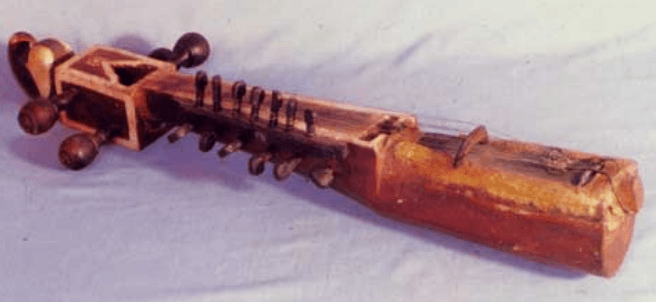
Chikara
Material : Parchment, wood, steel
Cup-shaped head; 3 strings
Its bowed resonator, fingerboard and pegs are made of a single piece of wood.
Area – Garasiya (Sirohi), Meo (Alwar)
Ektara
Material : Bamboo, Parchment, Steel
Associated with Narada; 1 string ; instrument in one hand, karatar in the other.
The bamboo is inserted through the center of the gourd, the top of the gourd is cut and covered with leather
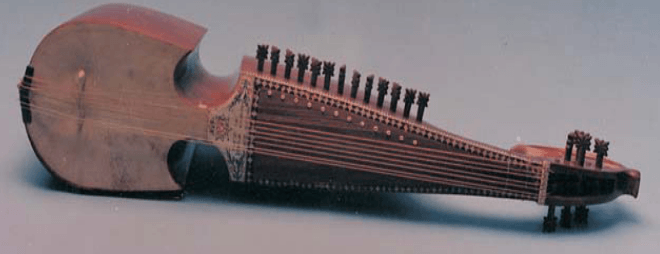
Rabab/Rawaz
Like a sarangi but with 12 strings
musical instrument of the Bhat or Rawal caste
Played with nails or a plectrum (not a bow)
Popular in Alwar, Tonk, Mewar region
Surinda
This is a smaller version of the Sarangi.
Strings – 5-13
from a single piece of wood (rohida or tun)
Don’t play it while singing
Logo of Rajasthan Sangeet
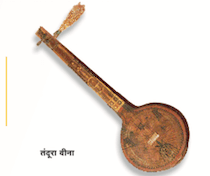
Veena/Tandura/Chautara/Nishan
Material : Wood, Steel
Sitar and Tanpura shaped
4 strings ; Ramdevji’s favourite instrument.
Tanpura
Material: Wood, Brass
Four strings (three steel + one brass)
Bhapang
It is also called the “talking drum” .
1 string; Damarun-like, played by pressing it in the armpit; Mewat ; Mewati Jogi;
Artist – Zahoor Khan Mewati, Umar Farooq Mewati (Alwar)
Apang
Material : Wood, Metal, Parchment, Gourd Shell, Leather, Goat Skin, Bamboo, Metal
Invention – Saint Ismail Nath Jogi
Other string instruments – Surmandal (2 strings), Do Tara (2 strings), Sarod (tun wood + ivory + coconut shell), Swarmandal
Wind Instruments
Wind instruments are instruments that produce sound by blowing (using air). They have no strings or membranes—notes are produced simply by vibrating air in a hollow tube
Music Instruments
Key Points
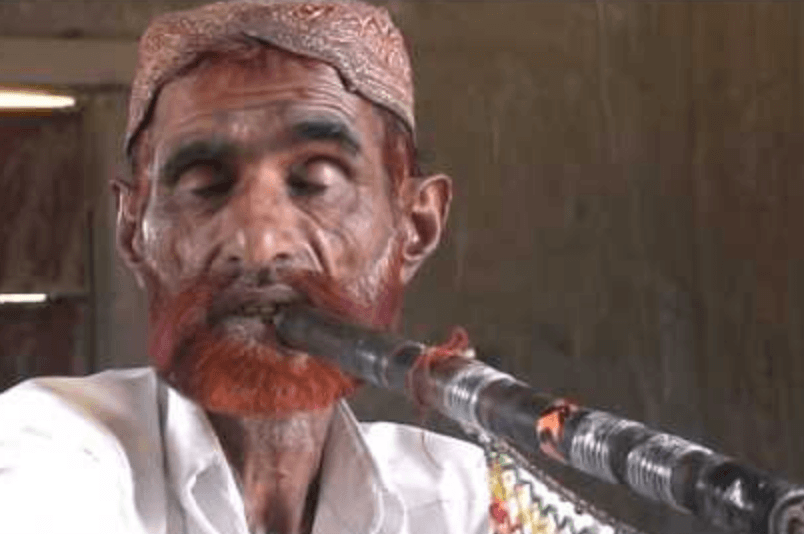
Algoja
State instrument of Rajasthan
Material : Bamboo
a pair of two bamboo flutes of equal size
Holes for 5 fingers on each and a narrow mouthpiece.
The player blows both of them together by keeping them in his mouth.
Uses: Mev community of Alwar, Kalbelia, Bhils; Story of Tejaji, Dhola-Maru
Artist – Ramnath Choudhary (Jaipur) plays with his nose
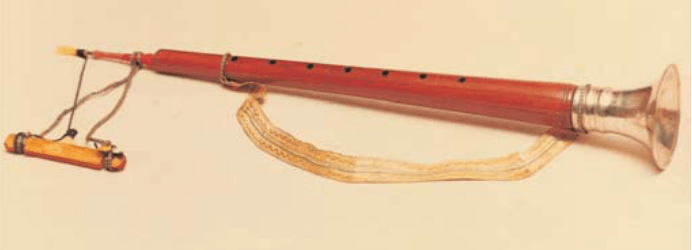
Shehnai / Nafiri / Sundari
Material – Rohida/Sheesham, Metal
The best among wind instruments
8 holes, on auspicious occasions
Artists – Bismillah Khan , Chand Mohammad Khan (Jaipur)
Toto – a local version of the Shehnai, played by Jogi Bhils and Dholis
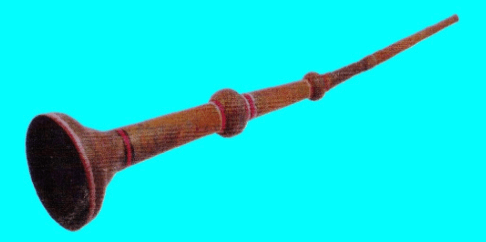
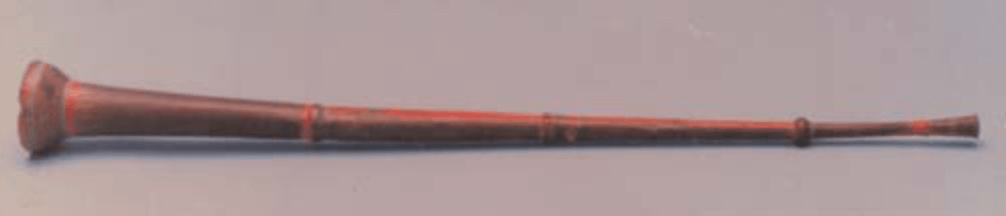
Karna/Karn
Material: Brass
Rajasthan’s longest
A long brass trumpet, made in two parts.
Funnel-shaped with a wide opening and a narrow opening with a narrow mouth.
Used in battlefields and royal courts
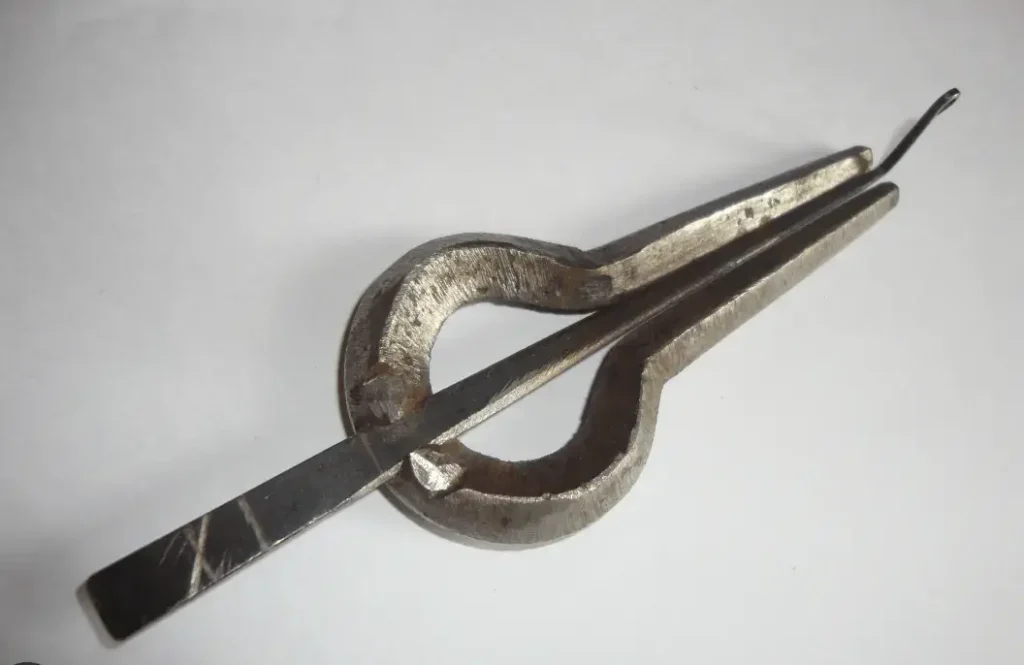
Morchang
the smallest of the wind instruments
Also called “ Jew’s Harp”
played between the lips
Langa, by Manganiyar
Note: It is considered a percussion instrument by the Ministry of Culture.
Bhungal / Rannbheri
Material : Bronze
It is called as battle cry because it is played during war.
Bhavai caste; Bhavai dance
Satara
Flute, Algoja and Shehnai medley; Barmer-Jaisalmer
Shepherds and Muslim artists
Nadd
A tube made from Kangor wood.
It has four holes and is blown from the top.
Famous Artist – Karna Bhil
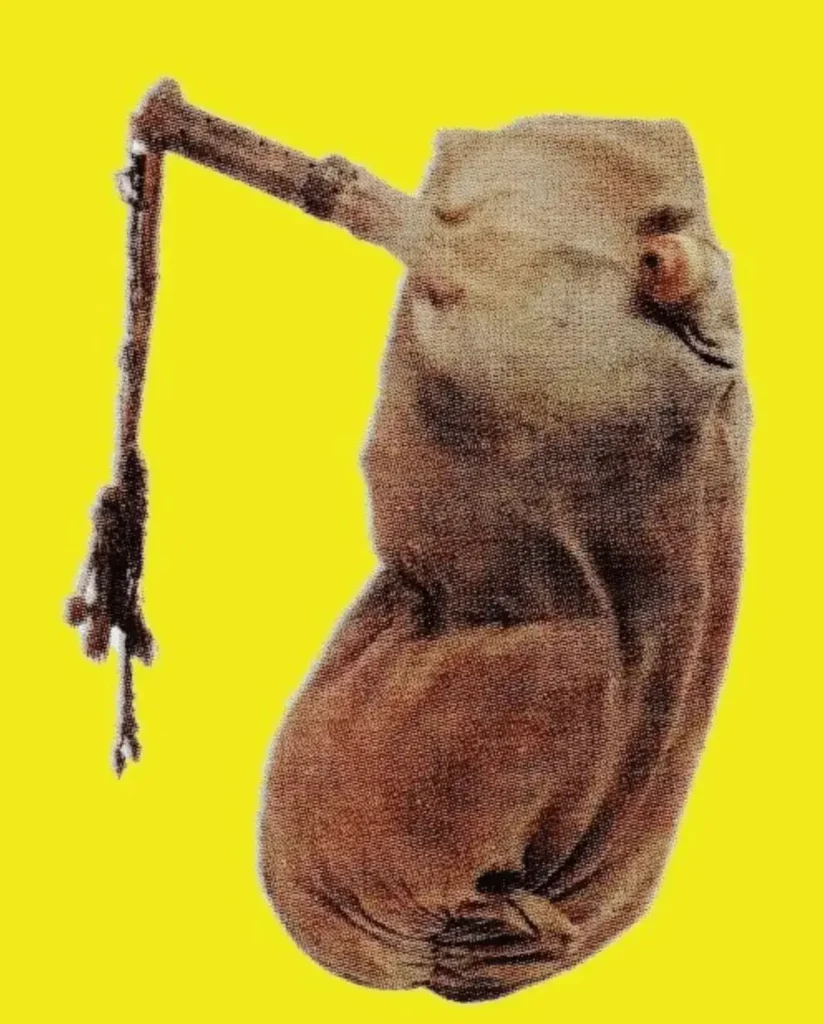
Mashak
Material : Goat skin, wax
Scottish bagpipe-like
Mashkbin – made of goat skin
Nali – a tube made of bamboo, five finger holes, music produced when blown
Mewat – By Bheruji Bhopas
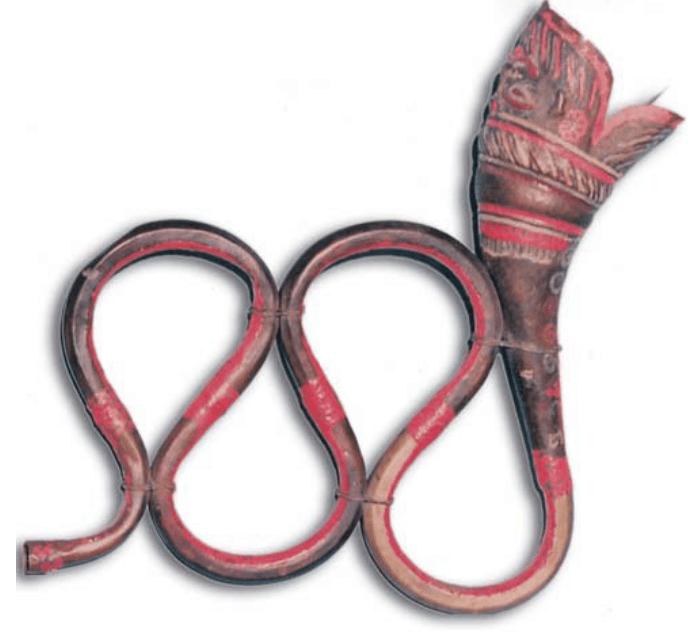
Naagphani
Material : Bronze/Brass Metal
The bronze spiral tube, the bell, is shaped like the hood of a snake, with a metal tongue attached to it
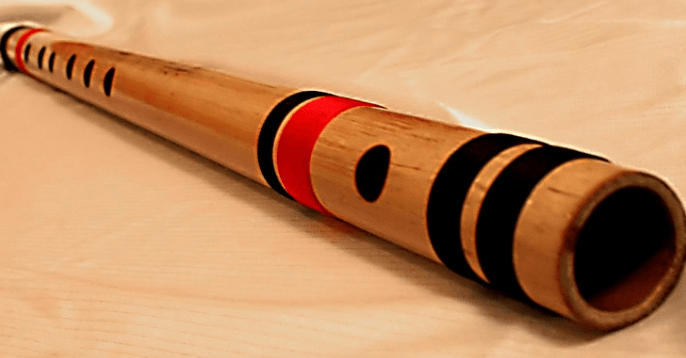
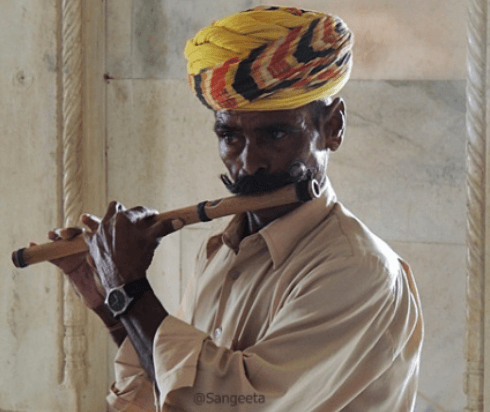
Flute
Material : Wood
Other names – Murali / Murala / Harnai / Shankh / Toto / Bargu
long wooden cylindrical tube, open at the other end with six holes
Starring: Hariprasad Chaurasia , Pannalal Ghosh
Pelly
Material – Bamboo
This is a small flute
Ratvai is sung in a high pitch to its music
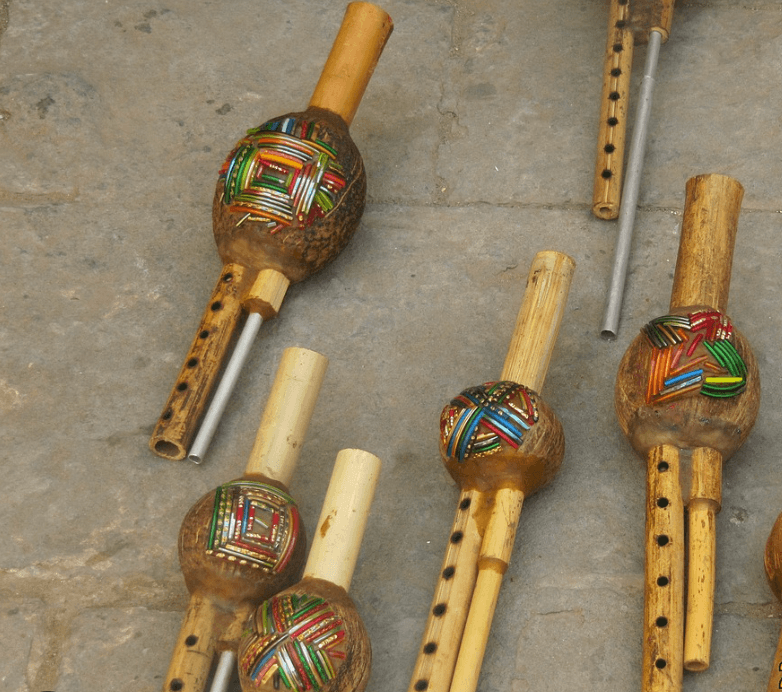
Pungi/been
Material: Gourd, Bamboo, Wax
a round gourd with a long neck
Kalbelia / snake charmers to catch snakes
Pungi – 2 tubes, Been – 1 tube
Bankiya
Material: Bronze
a bronze trumpet, a larger version of a begul, made in two parts
a saucer-shaped bell with a trumpet-like tube and a connected mouthpiece
Used in processions, religious and social functions
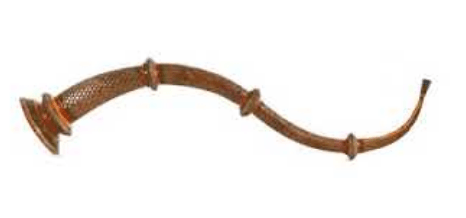
Bargu
Material: Bronze
A bronze trumpet made in two parts
Cup-shaped bell, S-shaped tube with integrated mouthpiece
Use by the ‘ Sargara ‘ community
Pavri/Tarfa/Tarpi
Material: Wood, dried gourd, cow horn
A larger version of the pungi
Six holes on the bottom, a beak-like structure on the top
The sound produced resembles Indian as well as European musical tones.
by Kathodi caste
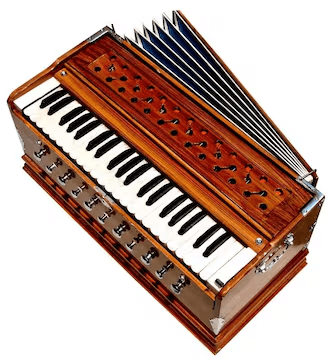
Harmonium
Material: Wood, Metal, Brass, Fabric
Portable wooden box, originating in West Bengal
There are 10 holes that allow air to pass through the bellows
Main Artists – Mahmud Dholpuri , Ustad Alladiya Khan (Jaipur Gharana)
Trumpet
Material: Bronze
long bronze trumpet
Two parts – funnel mouth + oblong mouth
Other wind instruments – Pavri (made of cow horn + wood + dried gourd), Pavo (a double flute made of bamboo), Singi, Ransingha
Percussion instrument
These are percussion instruments in which sound is produced by beating or tapping a skin membrane.
Other musical instruments – Dindima (mentioned inMahabharata), Dhaunsa (drum-like), Dhumdhaka
Music Instruments
Key Points
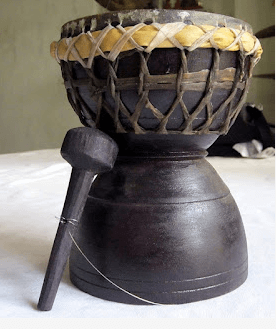
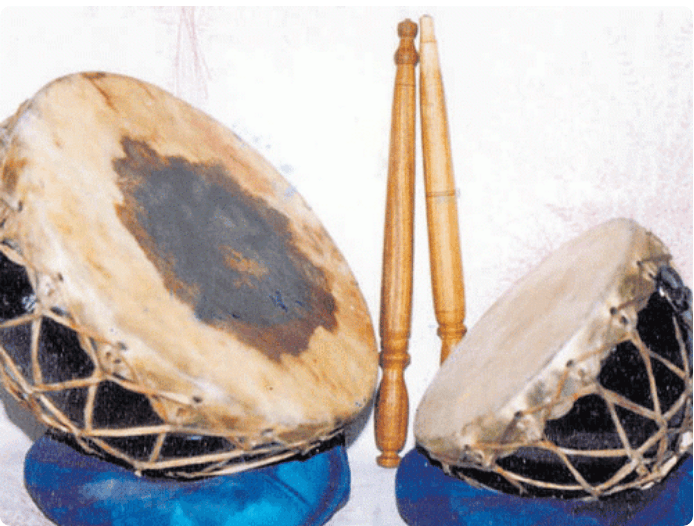
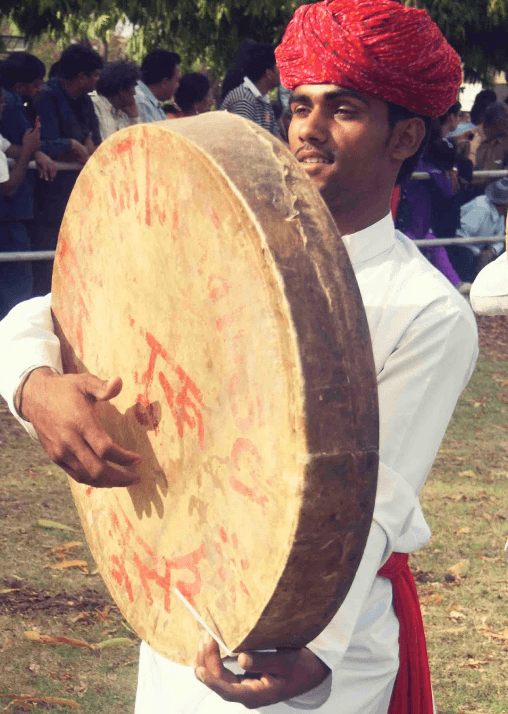
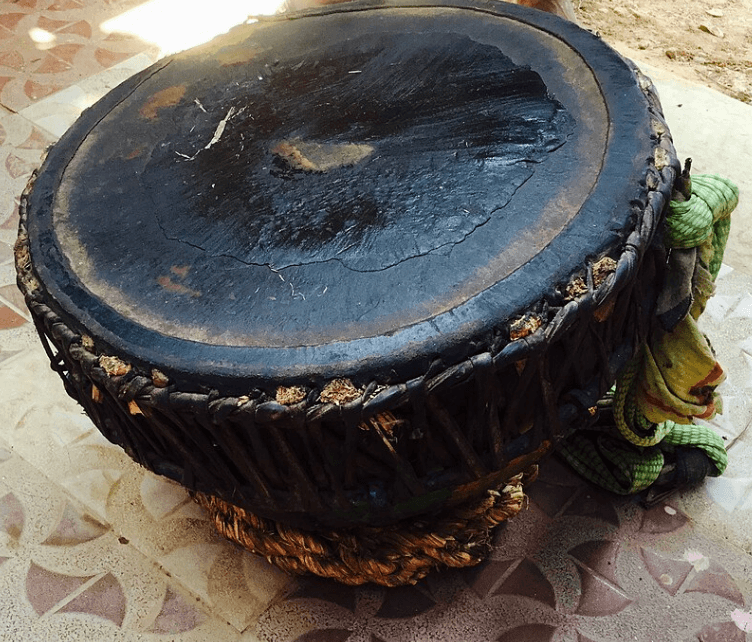
Drum
Material : Wood, Leather, Parchment
A cylindrical wooden shell covered with goat skin on both its ends
The most ancient and auspicious ceremony performed by the Dholi tribe
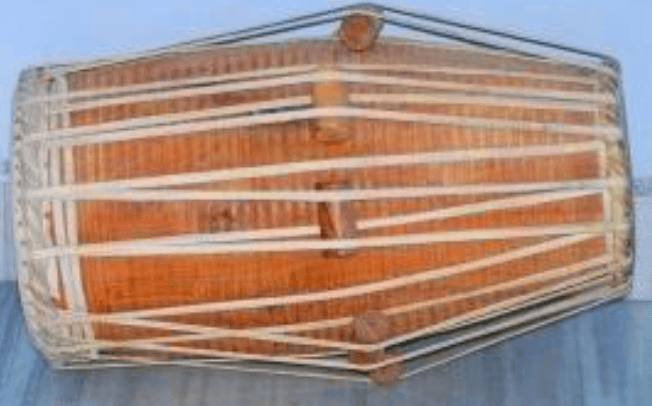
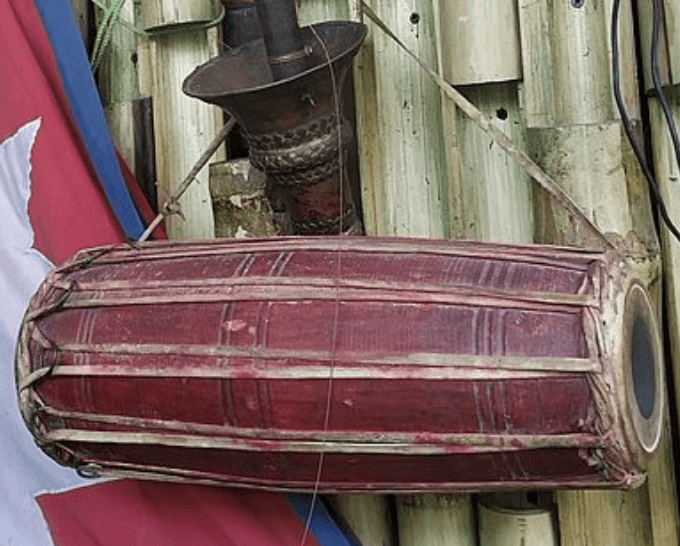
Mridang/Pakhawaj
Material : Wood, parchment, leather, black coating
A two-sided cylindrical drum, covered with goatskin at both ends , one narrow and the other wide
Black coating on the right end, fine wheat flour coating on the left end
Uses – with ‘ Dhrupad ‘ and ‘ Dhamar ‘ styles of music