

According to Geeta, Yoga is the Art of working skillfully (योगः कर्मसु कौशलम्) and is a balanced state (समत्वं योग उच्यते) to unite the individual self with the Supreme Being. 18 types of Yogas are mentioned in Geeta.
Major Yogas | Administrative relevance |
Karm Yog (Chapter 3 of Bhagavad Gita)– Karm Yoga is the path to achieve liberation through work (Union through action)
|
|
Gyaan Yog (Chapter 4 of Bhagavad Gita) – Jnana yoga, is a path of wisdom and knowledge or path of self-realization | Source of Gyaan in administration –
|
Bhakti Yog (Chapter 12 of Bhagavad Gita) – मां नित्ययुक्ता उपासते – Those who are always engaged in the devotion of lord are following Bhakti Yog | Administration –
|
Raj Yog (Chapter 9 of Bhagavad Gita) – Union of individual self with supreme being using techniques like meditation, Pranayam (प्राणेऽपानं), Dhyaan and Samadahi |
|
Abhyasa Yoga – Abhyāsa, which means to practice. Lord Krishna says that we must train our minds and form a habit to reach god. |
|
Visada Yoga – The first chapter of Bhagwat Geeta, It talks about dilemmas. |
|
Gunatraya-Vibhaga Yoga (Chapter 14 of Bhagavad Gita) – Evey material is possessed of 3 Gunas i.e Saatva, Tama, and Rajo guna |
|
Purusottama Yoga – The fifteenth chapter of the Bhagavad Gita. This Yoga gives ways and means to free oneself from the grip of the three gunas of matter |
|
Other Yogas like Visvarupa-Darsana Yoga, Moksa-Opadesa yoga, etc are mentioned in Geeta which ultimately Guide human being towards morality and unification with god.
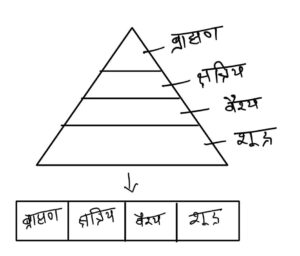
Varna vyvstha is explained in chapter 4 of bhagwat Geeta as – “चातुर्वर्ण्यं मया सृष्टं गुणकर्मविभागशः” – The four categories of occupations were created by Me (Krishna) according to people’s qualities and activities.
A progressive concept –
- Based on quality, action, and nature of a being – “गुणकर्मविभागशः” and “स्वभावप्रभावैर्गुणै”
- Not based on birth – And hence non-discriminatory
- Promotes the division of labor – Agriculture, dairy farming, and commerce are the activities of Vaishyas whereas Serving through work is the natural duty for those with the qualities of Shudras
- Promotes justice and equality in society – Each according to their ability and each according to their need [Marx]
Role of an administrator –
- Ensuring equal treatment as guaranteed by the constitution under Articles 14, 15, and 17
- Implementation of Right to Education [RTE Act 2005] in letter and spirit so that each Varna gets access to quality education
- Section 12 of RTE act – Private schools to reserve at least 25% seats for the disadvantaged and weaker sections of society
- Admission based on quality and action only “गुणकर्मविभागशः” – Hence avoiding Nepotism, Favoritism, crony capitalism and only merit-based selection
- Ending caste-based discrimination – Implementation of laws like
- Prohibition of Employment as Manual Scavengers and their Rehabilitation Act, 2013
- Protection of Civil Rights Act 1955
- Promoting skill (स्वभावप्रभावैर्गुणै) – Make in India, Skill India mission, Performance linked promotion, etc
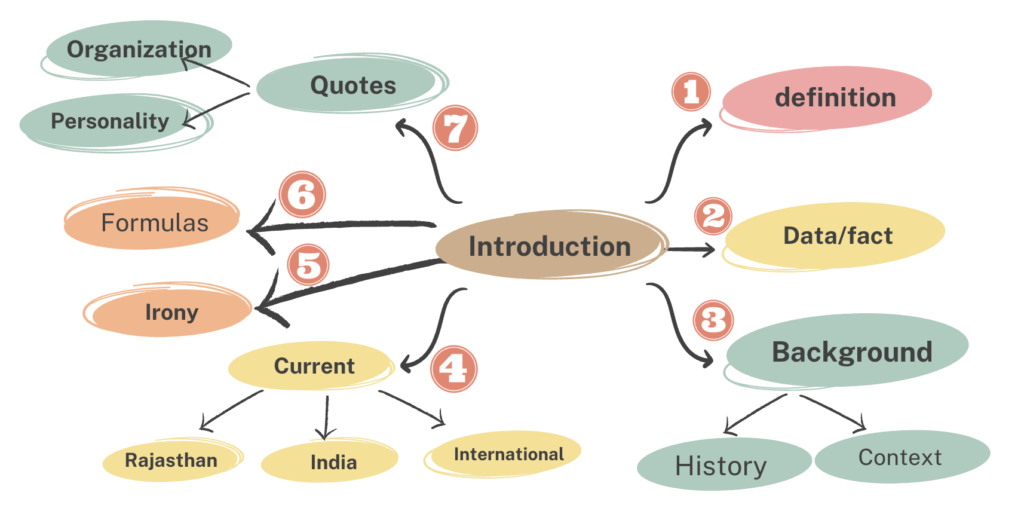
Intro –
- Facts – There are a total of 18 Parva in Mahabharata. Geeta is recited by lord Krishna and is part of Bhishma Parv. It Contains 18 chapters and 700 Slokas (महाभारत में कुल 18 पर्व हैं। भगवान कृष्ण द्वारा भाष्य गीता, भीष्म पर्व का हिस्सा है। इसमें 18 अध्याय और 700 श्लोक हैं)
- Current – Recently, The newly elected British Prime minister Rishi Sunak took the oath of Geeta in Westminster Hall. This signifies the importance of Geeta’s Philosophy to date. (हाल ही में नवनिर्वाचित ब्रिटिश प्रधान मंत्री ऋषि सुनक ने वेस्टमिंस्टर हॉल में गीता की शपथ ली। यह गीता दर्शन के अनवरत महत्व को दर्शाता है)
- Quote – “The wisdom in this book (Geeta) will survive when the British dominion in India shall have long ceased to exist” – Warren Hasting (इस पुस्तक (गीता) का ज्ञान तब भी जीवित रहेगा जब भारत में ब्रिटिश प्रभुत्व लंबे समय पूर्व समाप्त हो चूका होगा” – वॉरेन हेस्टिंग)
- Irony – On the one hand, we are advancing towards cutting-edge technology like AI, ML, and Biotechnology on the other hand our students are prone to suicide. A philosophy that emerged out of a crisis (Mahabharat) can solve many modern crises. (एक ओर, हम AI, ML और बायोटेक्नोलॉजी जैसी अत्याधुनिक तकनीक की ओर आगे बढ़ रहे हैं, वहीं दूसरी ओर हमारे छात्र आत्महत्या के लिए प्रवृत्त हैं। महाभारत जैसे एक संकट से निकला हुआ यह गीता दर्शन, कई आधुनिक संकटों का समाधान कर सकता है)
Solution of modern-day problems –
Bhagwat Geeta | Solution of modern day problems |
योगः कर्मसु कौशलम् – Yoga is an Art of working skillfully |
|
समत्वं योग उच्यते – balanced state of the body and mind |
|
Gyaan Yog |
|
Karm Yog |
|
Bhakti Yog – मां नित्ययुक्ता उपासते |
|
Sthith Pragyta – समदुःखसुखं धीरं, वीतरागभयक्रोधः, नाभिनन्दति न द्वेष्टि, सिद्ध्यसिद्ध्यो: समो, सुखदुःखे समे कृत्वा लाभालाभौ जयाजयौNishkaam Karma – कर्मण्येवाधिकारस्ते मा फलेषु कदाचन, मा ते सङ्गोऽस्त्वकर्मणि |
|
Swadharm – मम् धर्मः, स्वधर्मे निधनं श्रेयः परधर्मो भयावहः, |
|
Varna system – चातुर्वर्ण्यं मया सृष्टं गुणकर्मविभागश: |
|
Yog Khesm (योगक्षेमं वहाम्यहम्) – Taking responsibility for all human needs and security. |
|
यथेच्छसि तथा कुरु – Discretion |
|
युक्ताहारविहारस्य |
|
काम: क्रोधस्तथा लोभ – त्रिविधं नरकस्येदं द्वारं |
|
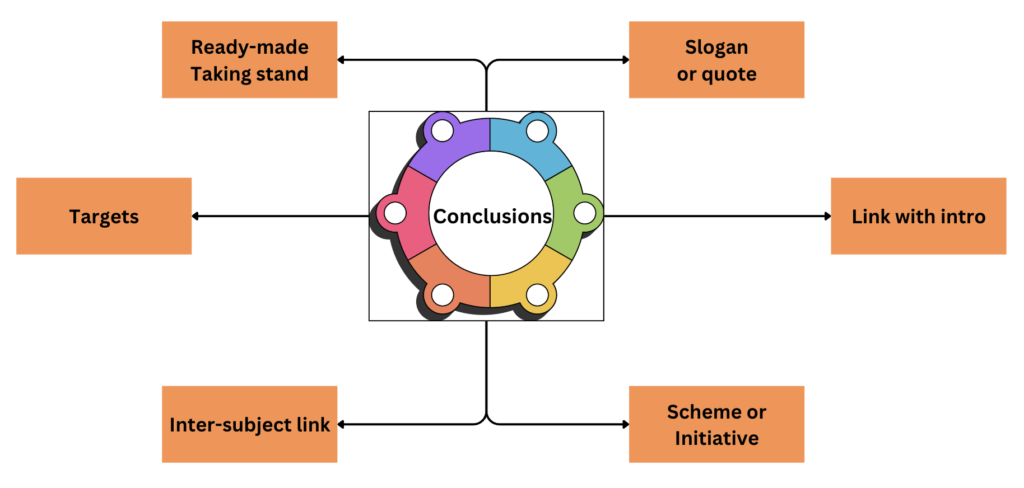
- Summary – Overall, Bhagavad Gita is a guiding light in treating many 21st century problems
- Slogan – As dictated by Shri Krishna – “यदा यदा हि धर्मस्य ग्लानिर्भवति भारत” whenever there will be problems, Geeta will always be a guiding light to solve these problems.
- Link with intro – As depicted by Warren Hastings, Geeta’s wisdom not only outlives the British dominion but any dominion of evil forces (Modern problems) in this world.



