

Biodiversity & its Conservation is a significant topic in Rajasthan Geography, focusing on the variety of flora and fauna found across the state’s diverse ecosystems. Despite its arid and semi-arid conditions, Rajasthan supports rich biodiversity ranging from desert vegetation to forested regions of the Aravallis and south-eastern plateau. Conservation efforts are essential to protect endangered species, maintain ecological balance, and ensure sustainable use of natural resources.
- Biodiversity is the combined diversity at all the levels of biological organisation in a given area.
- With its varied topography, Rajasthan boasts a rich biodiversity and offers a diverse range of habitats for wildlife. Following Assam, Rajasthan holds the second rank in terms of wildlife diversity.
- Historically, Rajasthan has been referred to as the “Hunter’s Paradise.
Wildlife Conservation
In situ conservation:
- Conserving the animals in their natural habitats is known as in situ conservation. Presently, the state has (Administrative report -2024-25, Forest department)
- 3 National parks
- 5 Tiger reserves
- 26 wildlife sanctuaries
- 40 Conservation reserves
- 33 Hunting prohibited areas
Ex situ Conservation:
- Conserving the animal outside its natural habitat is called ex-situ conservation.
- Zoos (Jaipur, Kota, Bikaner)
- Deer Parks (7): Ashok Vihar- Jaipur; Machiya Safari- Jodhpur, etc
- Captive Breeding Centre: Great Indian Bustard (GIB) Conservation Breeding Centre in Sam, Jaisalmer
- 4 Biological parks (Jodhpur, Udaipur, Kota, Jaipur).
National Parks of Rajasthan
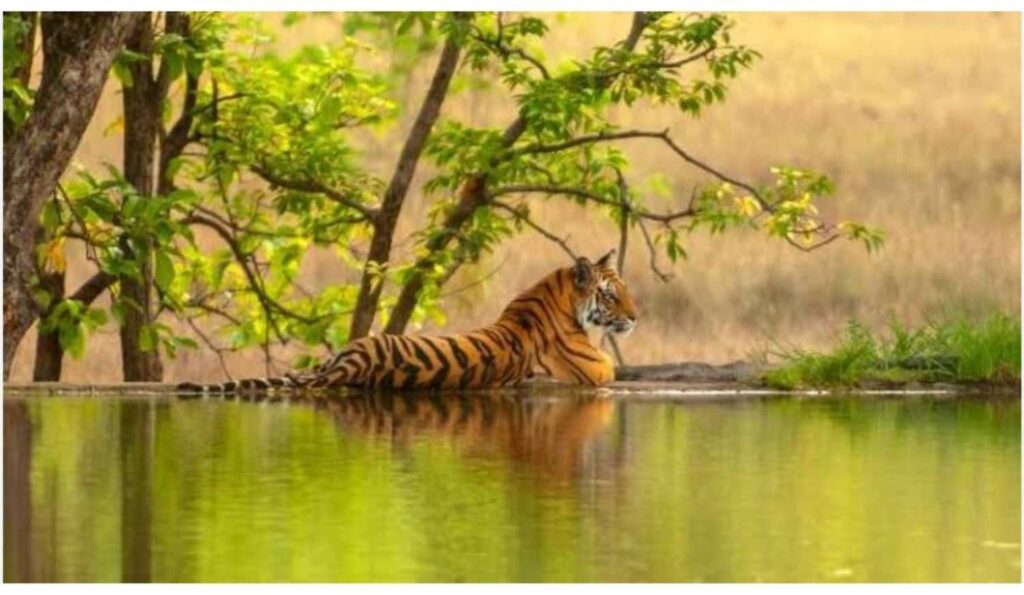
Ranthambore National Park (1980)
- Rajasthan’s first and largest National Park spreads over an area of 283km² in Sawai Madhopur District, along the Banas and Chambal rivers.
- Established as a wildlife sanctuary (1955) and a tiger reserve (1973). Also called the home of the tigers
- Tourist attraction places– Ranthambore Fort, Trinetra Ganesh Temple, Jogi Mahal and Dog Valley.
- The famous tigress is “Machhali (T-16)”.
- Dr Kailash Sankhala (Tiger Man) has done a commendable job in recognising this as a national park.
- He is the founder of the Tiger projects in Rajasthan.
- This national park is located between the Aravali and Vindhyan ranges.
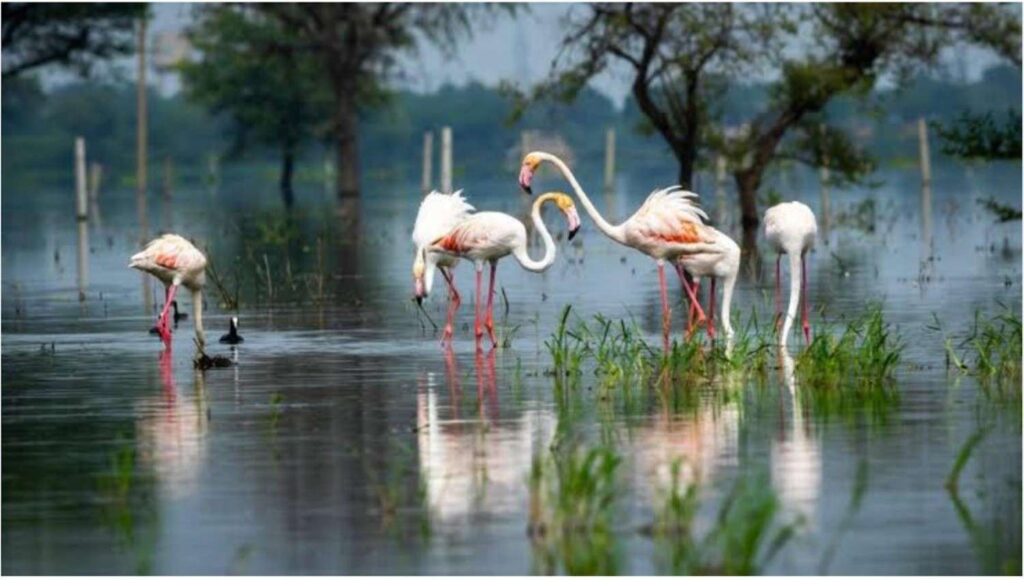
Keoladeo Ghana bird sanctuary, 1981
- Established as a wildlife sanctuary in 1956, Ramsar site in 1981, and UNESCO World Heritage Site in 1985 (the only natural heritage site)
- Called the paradise of birds
- Included in the Montreux Record due to scarcity of water and pollution.
- The smallest national park, covering 29 km² in Bharatpur district, along the Banganga and Gambhir rivers.
- Attractions – Python Siberian crane.
- The Ajan dam is located in this sanctuary.
- Dr Salim Ali (Ornithologist) – Great Bird Man of India was related to this National Park.
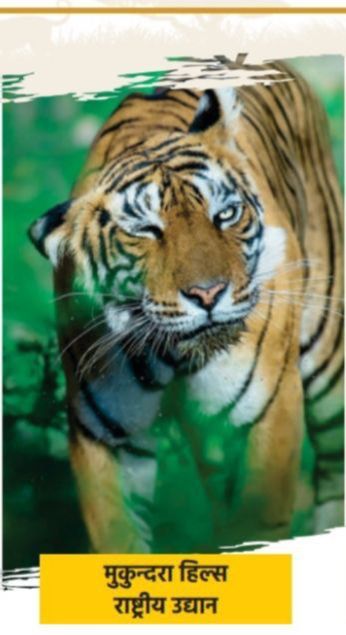
Mukandra Hills National Park, 2012
- Mukandra hills – 297 sq km – spread over Kota and Jhalawar.
- 3rd Tiger project of the state
- Attractions- Gagroni parrot, Abli Meeni palace (Kota), Gagron fort, Ravtha Place.
Wildlife Sanctuary
National Desert Park Sanctuary 1980
- 3162 sq. km. (the largest sanctuary), Spread over Jaisalmer and Barmer
- Xerophyte vegetation, Sevan-Leelan grass, is found
- Attractions- Godavan bird (Great Indian Bustard), Chinkara, Desert Fox, Spiny – Tailed Lizard.
- Akal wood fossil remnants from the Jurassic period (Recently, remains of a whale have also been found)
Kela Devi Wildlife Sanctuary, 1983
- 677 sq. km. (second largest), spread over Karoli, Sawai Madhopur
- Dhok forest
Kumbhalgarh Wildlife Sanctuary, 1971
- 611 sq. km. (third largest), spread over Udaipur, Pali and Rajsamand
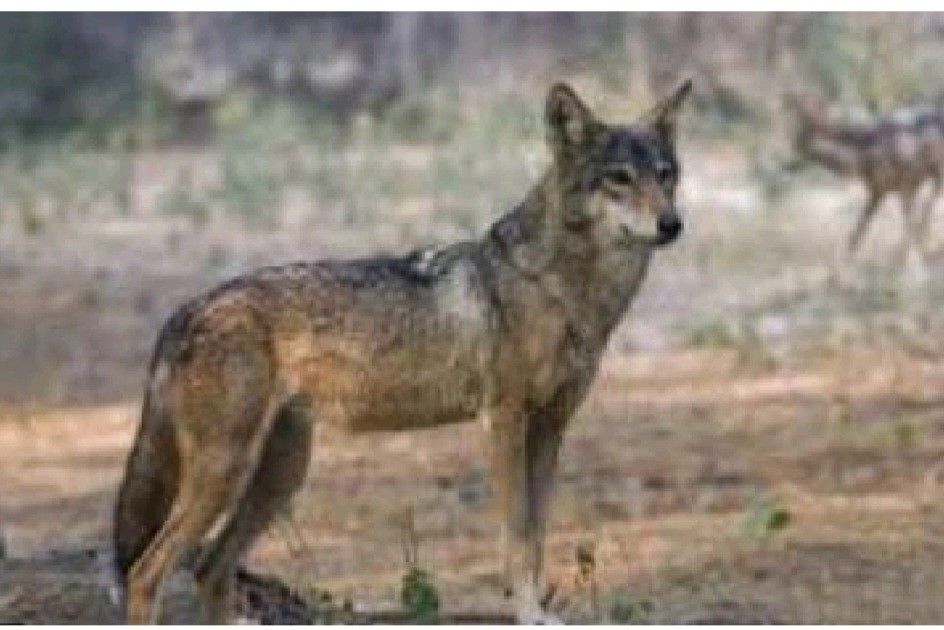
- Attractions- Wolves, Ranakpur Jain temple
- Note:- A new sensitive zone in a 1 km purview will be established around this sanctuary.
Sariska Sanctuary, 1955
- Alwar
- Second Tiger Project of Rajasthan, 1978
- Attractions – Peacocks and green pigeons, Bhartrihari Temple, Neelkanth Mahadev Temple, Pandupol Temple
Sariska ‘A’ Sanctuary
- Alwar
- Smallest and newest sanctuary
Tal Chappar Sanctuary, 1971
- Churu
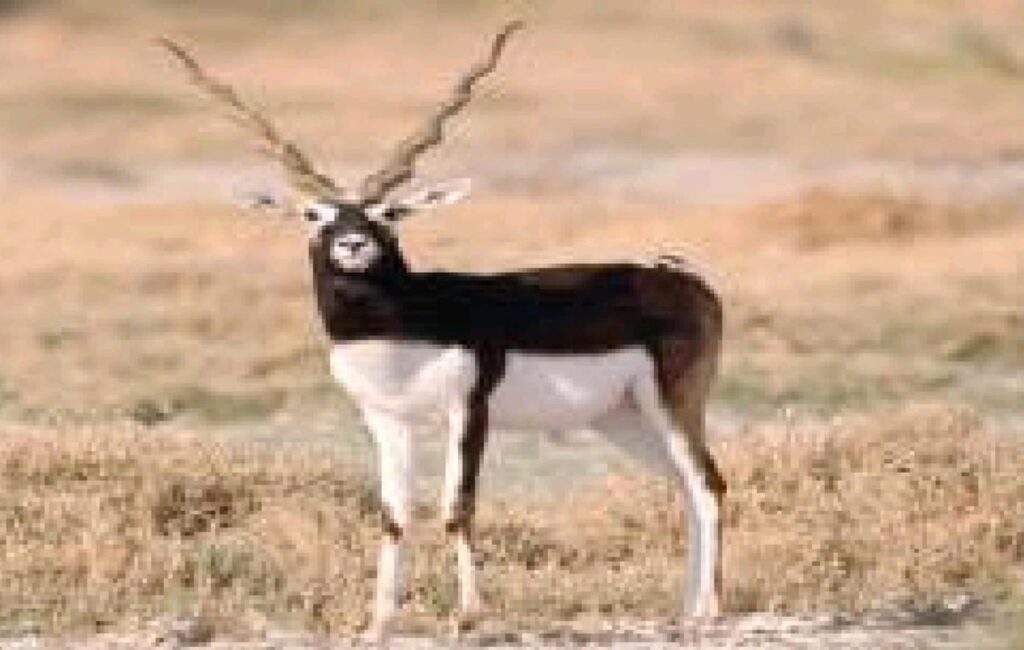
- Attractions- Mochia grass, Black buck and Kurja (demoiselle crane)
Jamwa Ramgarh Wildlife Sanctuary, 1982
- Jaipur
- Attractions- Jamwa Mata Temple, Dhok Forest
Nahargarh Wildlife Sanctuary, 1980
- Jaipur, It is a biological park (ex – situ conservation)
- Attractions- The Bear Rescue Centre, hippopotamus and white tiger, Lion Safari
Bandh Baretha Wildlife Sanctuary, 1985
- Bharatpur, the Kukundu river flows through it.
- Attractions – called “the house of birds”. Keoladeo’s birds take refuge in this sanctuary.
Ramsagar Wildlife Sanctuary, 1955
- Location: Dholpur
Van Vihar Wildlife Sanctuary, 1955
- Dholpur
- Attractions – Dense forests, deer, and leopards
Kesar Bagh Wildlife Sanctuary, 1955
- Dholpur
- Attractions – Black bucks and chital
Sawai Mansingh Wildlife Sanctuary, 1984
- Location:- Sawai Madhopur
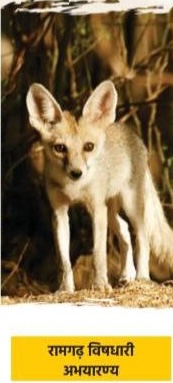
Ramgarh Vishdhari Wildlife Sanctuary, 1982
- Bundi, the Mej river flows through it, Kanak Sagar/Dugari Dam
- Attractions – Python, Sandalwood tree and turmeric.
Jawahar Sagar Wild Life Sanctuary, 1975
- Spreads over Kota, Bundi, and Chittorgarh
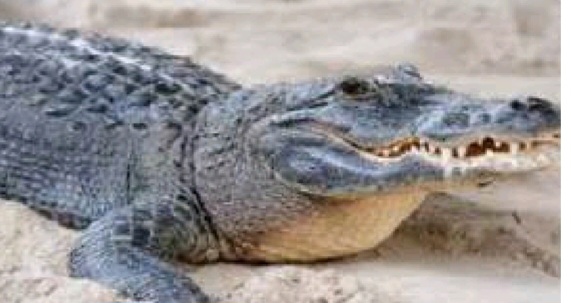
- Attractions- Alligators
Sitamata Wildlife Sanctuary, 1979
- Spreads over Pratapgarh, Chittorgarh and Salumber
- The Jakham River (Jakham Dam), the Karmoi, and the Nalesar rivers flow through it.
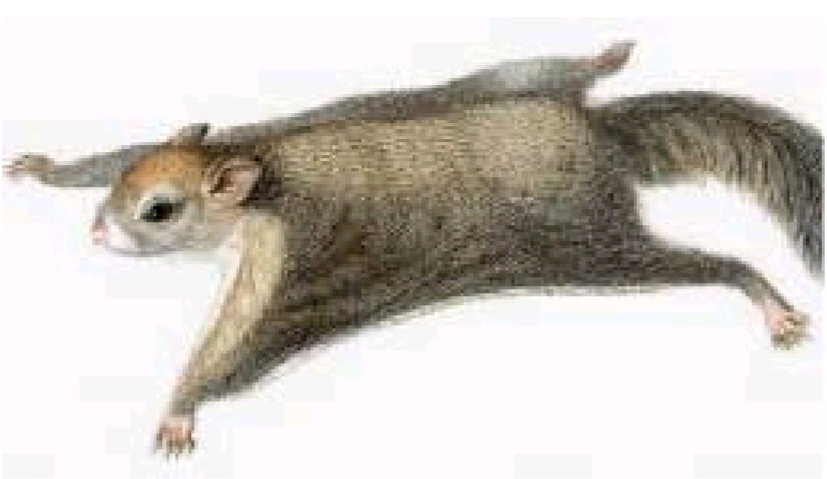
- Attractions – Maximum biodiversity, called as Mother land of chital, flying squirrel, and four-horned antelope (Chausingha) and pangolin (Adahula), teak forest and medicinal plants.
Bhainsrorgarh Wildlife Sanctuary, 1983
- In Chittorgarh is on the banks of the Chambal and Brahmani rivers.
- Attractions – Alligators
Bassi Wildlife Sanctuary, 1988
- Location:- Chittorgarh
Phulwari Ki Nal Sanctuary, 1983
- Udaipur
- Mansi, Wakal, and Som rivers flow through this sanctuary.
Jaisamand Wildlife Sanctuary, 1955
- Salumber, Jaisamand Lake (also known as Dhebar Lake) is the second-largest artificial lake in Asia.
- Attractions- also known as a colony of “aquatic animals”.
Sajjangarh Wildlife Sanctuary, 1987
- Udaipur
- Attractions – The second smallest sanctuary of Rajasthan and the first biological park (ex-situ conservation)
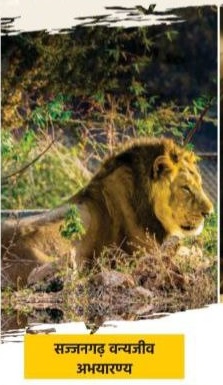
Todgarh Raoli Wildlife Sanctuary, 1983
- Spreads over Beawar, Pali, and Rajsamand
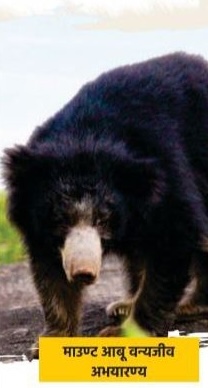
- Attractions- Leopards, sloth bears
Mount Abu Wildlife Sanctuary, 2008
- Sirohi
- Attractions- Dicliptera abu ansis plant, Eublepharis lizard, wild chicken
Shergarh Wildlife Sanctuary, 1983
- Baran; Parvan river.
- Attractions- Snakes, Shergarh fort
Darrah Wildlife Sanctuary, 1955
- Spreads over Kota and Jhalawar
- Attractions- Gagroni Parrot
National Chambal Alligator Sanctuary, 1979
- Spread between Rajasthan, Uttar Pradesh, and Madhya Pradesh.
- Extended in five districts of Rajasthan – Dholpur, Karoli, Sawai Madhopur, Bundi and Kota.
Sanctuaries spread across more than one district
- National Chambal Sanctuary – Kota, Bundi, Sawai Madhopur, Dholpur, Karauli (famous – Alligator)
- Jawahar Sagar Wildlife Sanctuary – Bundi, Kota, Chittorgarh
- Kumbhalgarh Wildlife Sanctuary – Udaipur, Pali, Rajsamand (Ranakpur Temple)
- Todgarh Rawli Wildlife Sanctuary– Beawar, Pali, Rajsamand
- Sitamata Sanctuary – Chittorgarh, Pratapgarh, Salumber, (Flying squarrel, Jakham dam, Sagwaan forest – the only sanctuary of forests)
- National Desert Park – Jaisalmer, Barmer
Sanctuaries located in or near rivers
- National Chambal Wildlife Sanctuary: Chambal River
- Jawahar Sagar Sanctuary: Chambal River
- Shergarh Sanctuary (Bari): Parwan River
- Bassi Sanctuary (Chittorgarh): Confluence of Orai and the Brahmani rivers
- Bhainsrorgarh (Chittorgarh): Confluence of Brahmani and Bamni rivers.
- Phulwari ki Nal: Mansi, Wakal and Som rivers
|
Conservation reserves |
Districts |
|
Jhunjhunu |
|
Sikar |
|
Nagaur |
|
Baran |
|
Bikaner |
|
Pali |
|
Jalore, Sirohi |
|
Jalore |
|
Udaipur |
|
Tonk |
|
Jodhpur |
|
Phalodi |
|
Kota |
|
Bhilwara |
|
Sirohi |
|
Jaipur |
|
Kotputali-Behror |
|
Ajmer |
|
Sikar |
|
Jaisalmer |
|
Jodhpur (Latest) |
Tiger Projects of Rajasthan
| Tiger projects | Tiger | Sq km | |
| 1. | Ranthambhore project (1974) | Sawai-Madhopur,Karauli, Bundi, Tonk | 1530.23 |
| 2. | Sariska Tigerproject (1978) | Alwar, JaipurKotputli-Behror | 1213.34 |
| 3. | Mukundara Hills Tiger Project (2013) | Kota, Bundi,Jhalawar, Chittorgarh | 1135.787 |
| 4. | Ramgarh Vishdhari Tiger Project (2021) | Kota, Bundi | 1501.89 |
| 5. | Dholpur-KarauliTiger project (2023) | Dholpur, Karauli | 599.6406 |
Kumbhalgarh Tiger Reserve
- Kumbhalgarh Tiger Reserve will be Rajasthan’s sixth tiger reserve after assent from the government.
- Key Developments:
- In August 2023, after NTCA approval, a 10-member expert committee was formed. It proposed a 1,397 sq. km. reserve across five districts, but progress has stalled.
- Concerns from residents about displacement and lack of formal land rights have created compensation hurdles.
- The expert report (submitted on Oct 30, 2023) outlined the core area, buffer zones, and critical tiger habitat, but officials raised concerns over missing details.
- Infrastructure challenges, like public roads cutting through the reserve, are yet to be addressed.
- Wildlife Institute of India (WII) conducted a prey-based estimation, but the planned study for the entire reserve has not yet started.
- Ecological Significance:
- Kumbhalgarh hosts the highest number of herbivores in the region.
- The 2024 wildlife report records 15,000 + wild animals.
Ramsar sites in Rajasthan
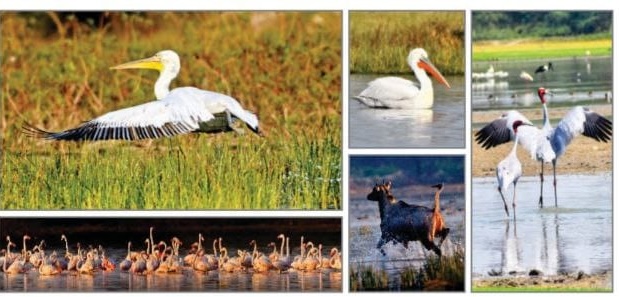
- Keoladeo (1981) – Siberian Cranes
- Sambhar (1990) – Kurja and Flamingo
- Kheechan of Phalodi and Menar of Udaipur have been included in the list of Ramsar sites in 2025
- 12 December 2025, Siliserh Lake in Alwar got Ramsar status and became the 96th Ramsar site of the nation.
- There are a total of five Ramsar sites in Rajasthan
Biological Parks of Rajasthan
| Biological park | Establishment |
| Sajjangarh Biological Park (Udaipur) | 12 April, 2015 |
| Machia Biological Park (Jodhpur) | 20 January, 2016 |
| Nahargarh Biological Park (Jaipur) | 4 June, 2016 |
| Abheda Biological Park (Kota) | December,2021 |
Deer Parks in Rajasthan
| Deer Parks in Rajasthan | |
| Durg | Chittorgarh |
| Sajjangarh | Udaipur |
| Machia Safari | Jodhpur |
| Sanjay Udhyan | Jaipur |
| Pushkar Deer Park | Ajmer |
| Ashok Vihar | Jaipur |
| Amria Devi Deer Park | Jodhpur |
Prohibition Areas of Rajasthan = 33
|
Name |
Associated district |
|
Udaipur |
|
|
|
Ajmer |
|
Jalore |
|
|
|
Jaipur |
|
Nagaur |
|
Alwar |
|
Chittorgarh |
|
Churu |
|
Pali |
|
Sawai – Madhopur |
|
Barmer |
|
Jaisalmer |
|
Baran |
|
Tonk |
|
Bundi |
|
Mascots of Rajasthan Districts
| District | Mascot |
| Baran | Crocodile |
| Bhilwara | Peacock |
| Churu | Blackbuck |
| Chittorgarh | Four-horned antelope (Chousingha) |
| Bundi | Golden Pheasant |
| Bikaner | Bater/Sand grouse |
| Bharatpur | Siberian Crane |
| Barmer | Fox |
| Alwar | Sambhar Deer |
| Banswara | Bronze Winged Jacana |
| Ajmer | Kharmor Bird |
| Jhunjhunu | Black pheasant |
| Hanumangarh | Chota Kilkila (Kingfisher) |
| Dungarpur | Painted Stork (Janghil) |
| Dholpur | Panchira (Indian Skimmer) |
| Dausa | Rabbit |
| Jaisalmer | Godawan |
| Nagaur | Flamingo |
| Kota | Otters (Udbilao) |
| Karauli | Alligators |
| Jodhpur | Kurja Bird |
| Jhalawar | Gagroni Parrot |
| Jalore | Bear |
| Sawai Madhopur | Tiger |
| Tonk | Swan |
| Rajsamand | Wolf |
| Pratapgarh | Flying Squirrel |
| Pali | Leopard |
| Sirohi | Wild Chicken |
| Udaipur | Honey Badger |
| Jaipur – | Chital (Spotted Deer) |
| Sri Ganganagar | Chinkara Declared as the State Animal in 1981. Scientific Name – “Gazella Gazella” |
| Sikar | Saheen |
|
Major Wildlife Safaris of Rajasthan |
|
Leopard Safari = 6
|
|
Lion Safari = 2
|
|
Tiger Safari = 5
|
Oran Lands
- ‘Orans’ are sacred forest patches in Rajasthan, traditionally protected and managed by rural communities. These groves are dedicated to local deities as part of a deep-rooted socio-religious tradition.
- Rajasthan is home to nearly 25,000 Oran sites, collectively covering over 6 lakh hectares across the desert landscape.
- In Rajasthan, orans are also called– deora, malvan, deorai, rakhat bani, deo ghats, mandir van and baugh.
- Orans also hosts a significant number of Khejri trees (Prosopis spicigera), deer, blackbuck and nilgai, which are also sacred to the Bishnoi community of Rajasthan.
Related Supreme Court Judgement:
- In a landmark judgment delivered on 18 December 2024, the Supreme Court directed the State government to conduct a detailed mapping of the Oran lands.
- SC directed the State to implement the 2005 recommendations of the Central Empowered Committee (CEC) for classifying ‘Orans’ as forests.
- However, the Rajasthan Forest Policy, 2023, classified ‘Orans’ as general community lands, a status considered inadequate for legal protection, leaving them vulnerable to encroachment and ecological degradation.
- In July 2025 Rajasthan government constituted a high-level committee under the chairpersonship of former Justice Jitendra Rai Goyal.
Godavan (Great Indian Bustard)
- Location: 6 states: Andhra Pradesh, Gujarat, Karnataka, Maharashtra, Madhya Pradesh, Rajasthan (earlier 11 states)
- Protection status: Critically Endangered(IUCN): fewer than 150 Great Indian Bustards remaining in the wild.
- Conservation Measures: Project Great Indian Bustard (Rajasthan) – 2013
- Protected Areas:
- Desert National Park in Rajasthan
- Kutch Bustard Sanctuary, Gujarat
- Great Indian Bustard Sanctuary
- Jawaharlal Nehru Bustard Sanctuary, Maharashtra
- Rollapadu Wildlife Sanctuary in Andhra Pradesh.
- GIB Conservation Breeding Project at Sam in Jaisalmer – 2019
- SC Intervention: However, the Centre has told the SC that it is not possible to comply with the court’s order to put power lines underground, even as they crisscross the Godavans’ habitat.
Rajasthan Forestry and Biodiversity Development Project-AFD
- Funded by: Agence Française de Développement (AFD), spanning eight years from 2023-24 to 2030-31.
- Covered districts: The project is being implemented across 13 districts of Rajasthan, namely – Alwar, Baran, Bhilwara, Bharatpur, Bundi, Dausa, Dholpur, Jaipur, Jhalawar, Karauli, Kota, Sawai Madhopur, and Tonk.
- Objectives: It encompasses activities in 800 villages, aiming to conserve biodiversity and enhance deciduous forest resources in the eastern region of the State.
- The primary goal of the RFBDP is to conserve biological diversity and enhance forest resources to combat climate change through community empowerment.
- It addresses the impacts of human activities on biodiversity, promotes sustainable ecosystems and ensures effective conservation through innovative methods and community participation.
Rajasthan State Biodiversity Board
- Rajasthan State Biodiversity Board has been constituted under the provisions of the Biological Diversity Act, 2002, notified by the Government of India. The State of Rajasthan has notified the Rajasthan Biological Diversity Rules, 2010 under section 63(1) of the Biological Diversity Act, 2002



