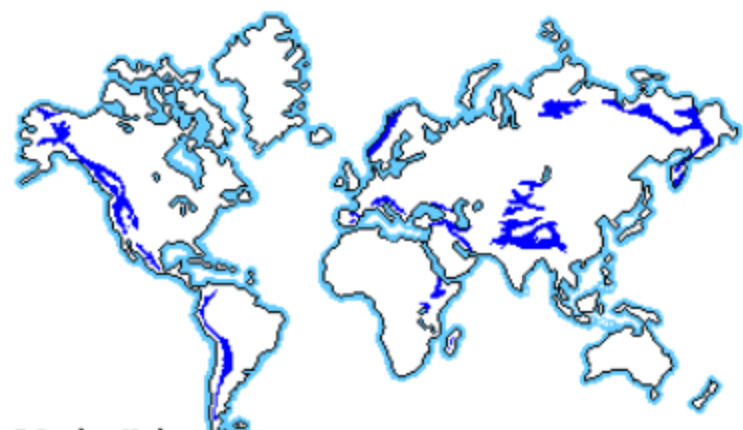
Natural Vegetation is an important topic in world geography, referring to plant life that grows naturally without human intervention in a particular region. It reflects the interaction of climate, soil, and relief, and helps in understanding the ecological and environmental conditions of different parts of the Earth.
Types and Distribution of Natural Vegetation
Natural vegetation refers to plant communities that grow naturally without human interference, mainly determined by climate (temperature and rainfall), soil, relief (altitude and slope), and latitude.
The world’s vegetation communities can be broadly grouped into forests and grasslands, with additional forms adapted to extreme or specialized environments.
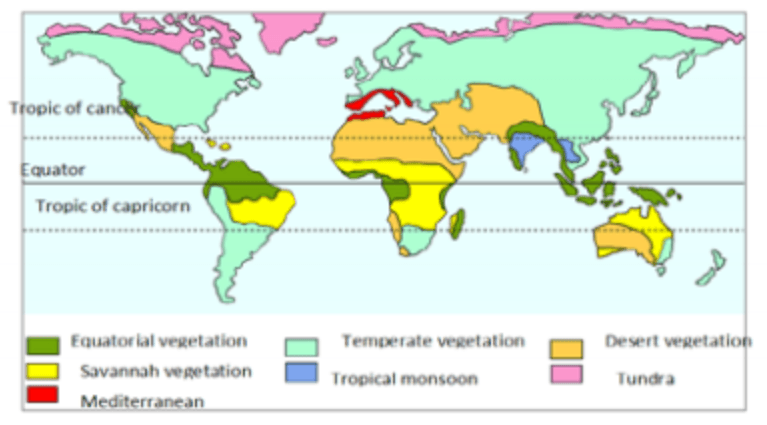
On this basis of climate (temperature and rainfall), soil, relief (altitude and slope), and latitude, vegetation is arranged into distinct vegetation zones across the globe.
Major vegetation zones include:
Tropical vegetation
Tropical Forests
Equatorial Forests
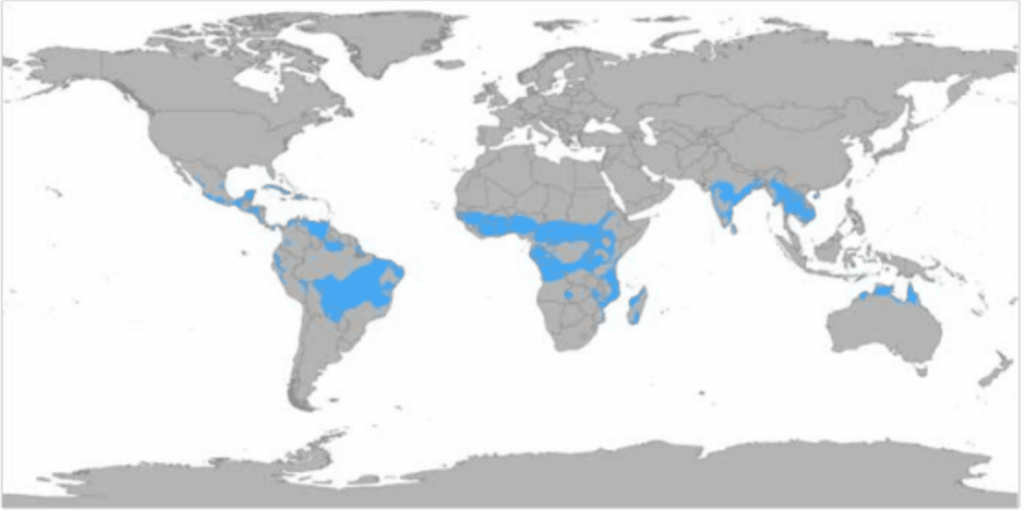
Tropical Monsoon Forests
Mountain Tropical Forests
Tropical Grassland
Savanna Humid Grassland
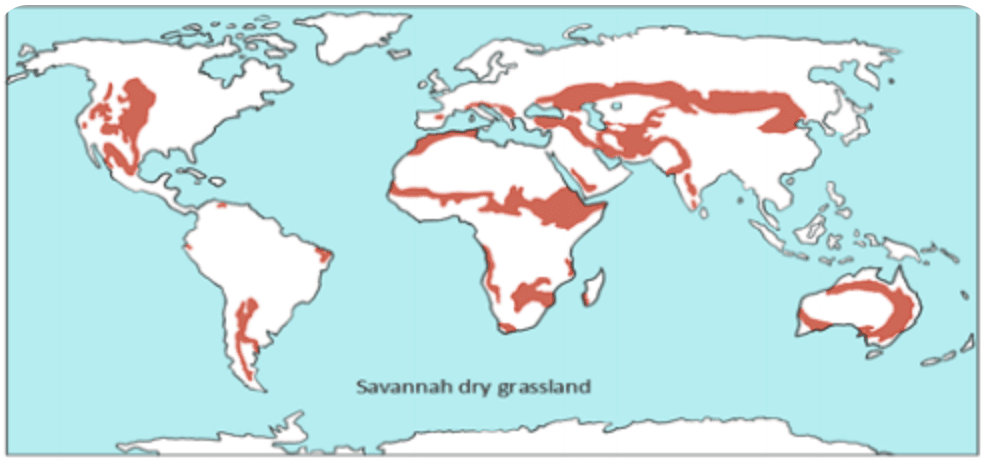
Steppe/Savanna Dry Grassland
Temperate vegetation
Temperate Forest
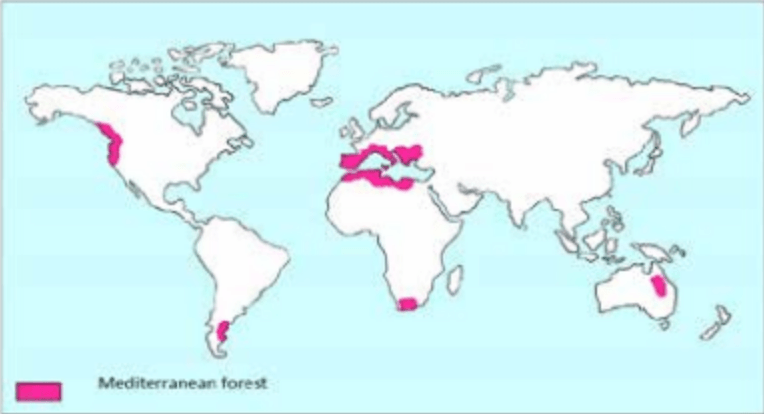
Mediterranean Forests
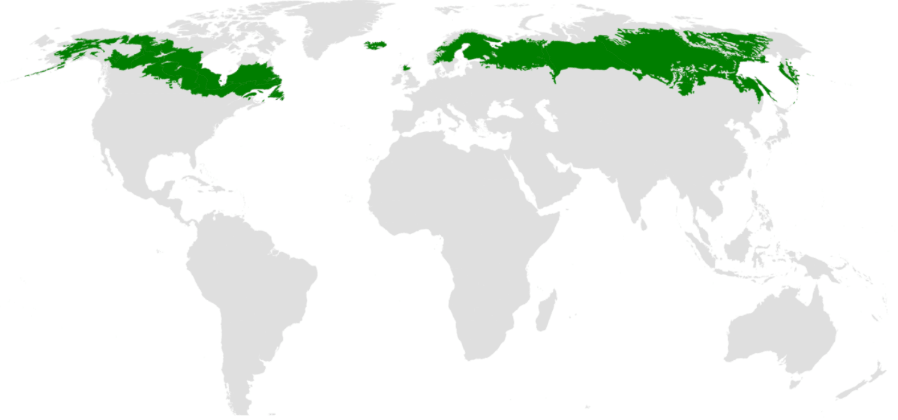
Coniferous Forests (Taiga/Boreal Forests)
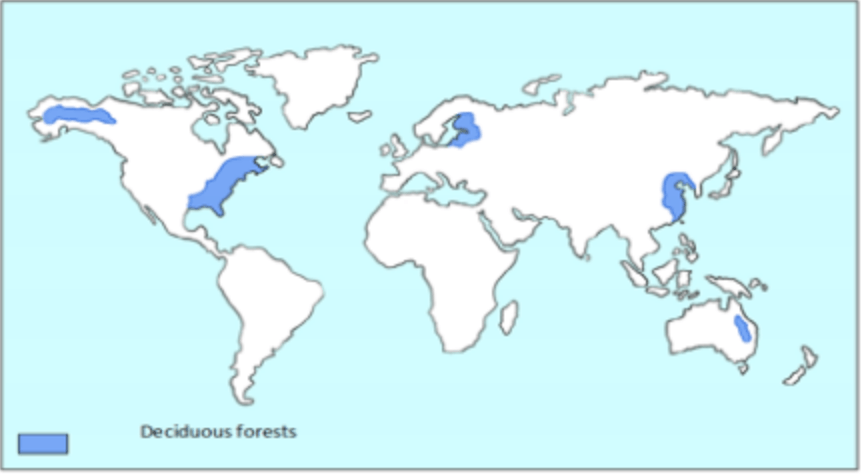
Deciduous Forests
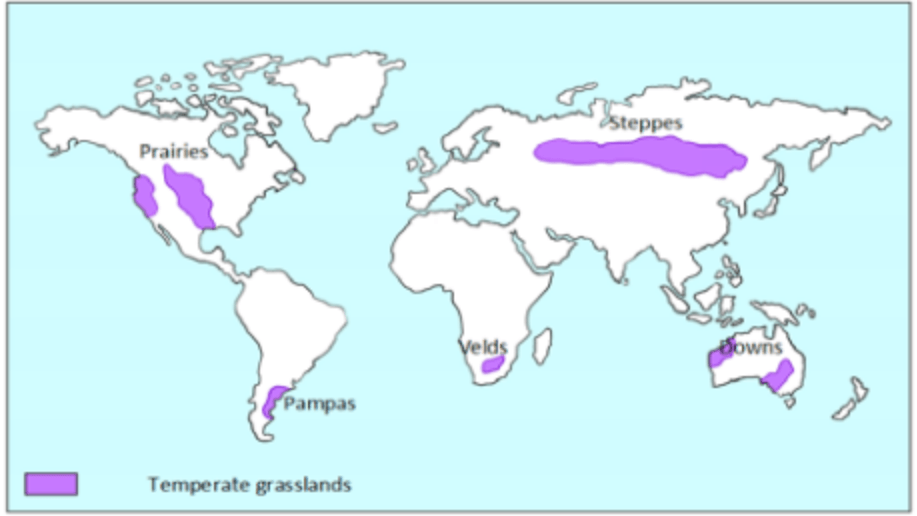
Temperate Grassland
Tundra vegetation
Desert vegetation
Hot Desert Vegetation
Cold Desert Vegetation
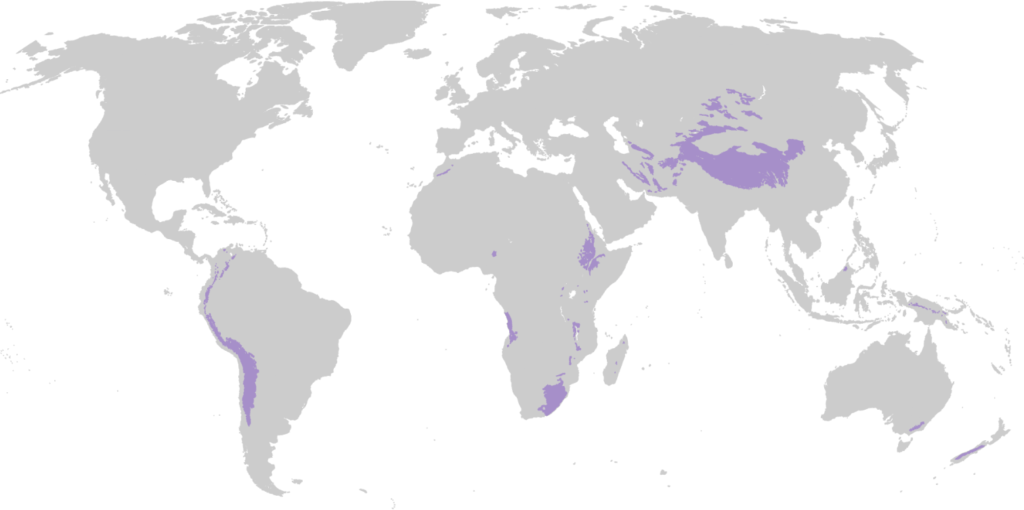
Mountain (Alpine) vegetation
Tropical Mountain Vegetation
Temperate Mountain Vegetation
Mangrove, Marsh and Swamp vegetation
Equatorial Forests (Tropical Vegetation)
Equatorial Forests (Tropical Vegetation)
Details
Location
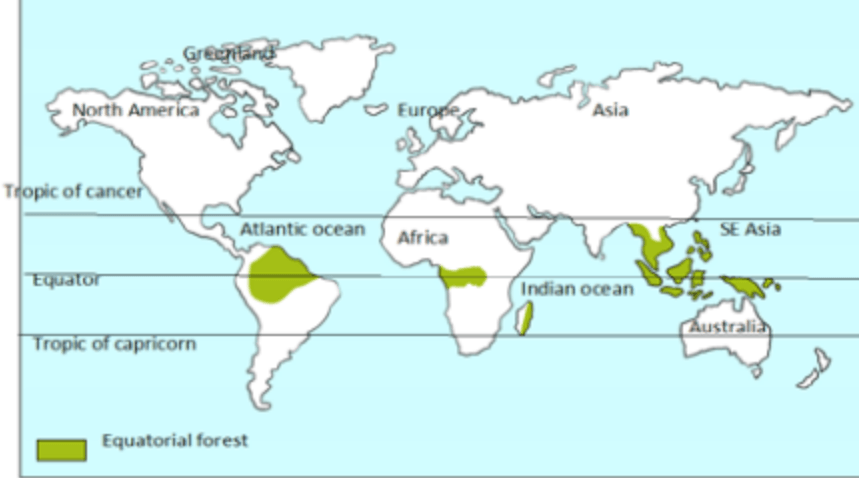
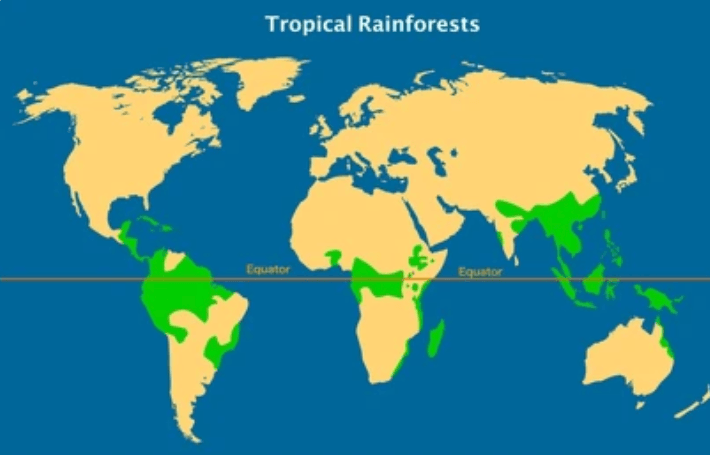
Between 10° North and 10° South of the equator
Occupy about 6% of the Earth’s surface
Global Distribution
Amazon Basin (South & Central America)
Congo Basin (Central Africa)
West African Coastal Belt (Nigeria, Ghana, Ivory Coast, Liberia, Central African Republic)
South East Asia-Malaysia, Burma
Geographical conditions
Annual Rainfall: Heavy and well-distributed rainfall throughout the year, around 2000 mm annually
Temperature: Uniform high temperature ranging between 23°C–24°C
Sunshine Requirement: Require abundant sunshine for dense and continuous growth
Soil Type: Fertile and well-drained soils
Nature of Vegetation: Evergreen forests due to absence of distinct seasons
Pampas Classification: Divided into Humid Pampas (Eastern Argentina) and Sub-humid Pampas (Western Argentina)
Velds Classification: Themed veld (Altitude: 1500–2000 m), Sour veld, and Alpine veld (Altitude: 2000–2500 m) of the Drakensberg Mountains
Downs Classification (Australia): Temperate tall grasslands (Eastern coast of New South Wales to Victoria and Tasmania); Temperate short grasslands (North of Temperate tall grasslands); Xerophytic grasslands (interior of New South Wales and Queensland under semi-arid climate)
Canterbury Grasslands: Extended over the Eastern and Central parts of New Zealand
Tundra vegetation
Tundra vegetation
Details
Location
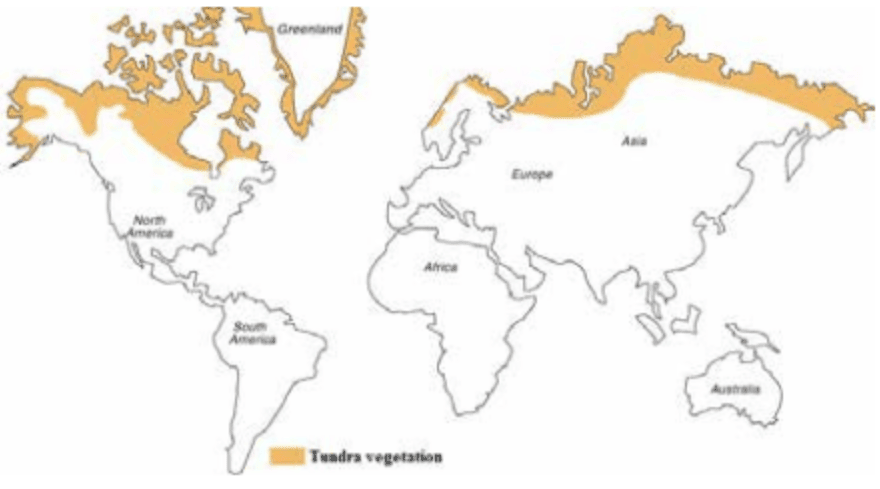
Arctic regions and high mountain tops
Global Distribution
Alaska
Parts of Russia
Northern Scandinavian countries
Some parts of Canada
Geographical conditions
Derived from the Finnish word “tunturi”, meaning “treeless plain”
Found in the coldest regions of the world and survives under harsh environmental conditions
Cold, windy climate with limited rainfall
Winters are cold, long, and dark
Temperatures usually range between -40°C and 12°C
A layer of permanently frozen soil lies beneath the surface
Snowfall supports survival of plants and animals and acts as a protective layer on the ground surface
Summer growing season is just 50 to 60 days, when the sun shines up to 24 hours a day
Flora: Mosses, lichens, sedges, birches
Hot Desert Vegetation
Hot Desert Vegetation
Details
Location
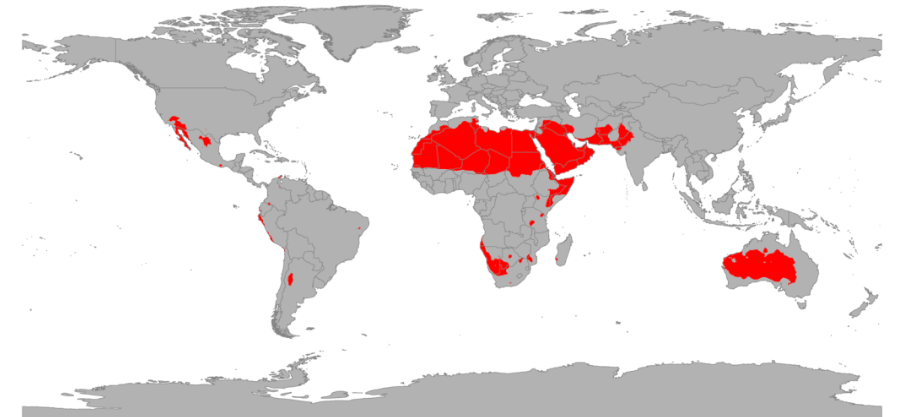
Located between 15° – 30° North and South of the equator
Global Distribution
Found in North America
South and Central America
South Asia
Africa
Australia
Geographical Conditions
Experiences hot climatic conditions throughout the year
Rainfall is unreliable and generally 250 mm or less per year
Dominated by dry winds, leading to arid conditions
Presence of poor quality and infertile soils
High temperatures ranging between 29°C to 31°C
Conditions result in very poor and sparse vegetation
Plants have small leaves, sunken or restricted stomatal openings, and pale, reflective leaves
Some plants have succulent stems, long roots, and modified leaves
Desert trees shed leaves occasionally to reduce water loss
Trees grow long taproots to access deep underground water
Some desert plants grow no leaves at all to avoid water loss through transpiration
Flora: Thorny Acacia, bushes, Euphorbia, and turfed coarse grasses
Cold Desert Vegetation
Cold Desert Vegetation
Details
Location
Located mainly in high flat plateau areas and mountainous regions of the temperate zones (between the Polar Regions and the Tropics)
Global Distribution
Found in the Northern part of Canada
Northern Russia
Northern Sweden, and Finland islands in the Arctic Ocean
Geographical Conditions
Requires low sunshine for successful growth
Freezing temperatures, average winter temperature ranges between –2°C to 4°C
Lack of moisture
Very little rainfall (about 250 mm in summer) and snowfall during winter
Poor quality soils with relatively high soil salinityAreas characterized by frost conditionsGood drainage facilitating leaching of most saltsPlants are widely scatteredMain plants are deciduous, mostly with spiny leavesExperiences short, wet, moderately warm summersLarge amount of snowfall in winter (and sometimes in summer)
Tropical Mountain Vegetation
Tropical Mountain Vegetation
Details
Location
On the slopes of Tropical Mountains worldwide
Global Distribution
Most extensively in South America(Andes) and Southeast Asia, also occurring in Central/East Africa, Central America, the Caribbean, India, and New Guinea
Geographical Conditions
Requires steep gradients
Well-distributed rainfall with humid conditions
Strong seasonal differences
Temperature decreases with altitude (about 20°C at 900 m and 4°C at summit regions)
Annual precipitation varies with altitude (~900 mm at foothills, ~2000 mm at 1500 m, and above 3000 mm between 2000–2300 m on windward slopes)
Fertile, well-developed, moderately acidic soils such as Andosols
Temperature decrease with altitude causes distinct vegetation zones
Wet temperate forests suitable between 1000–2000 mm rainfall
Temperate coniferous forests (pine, deodar, silver fir, spruce, cedar) found in higher rainfall zones (1500–3000 mm)
Above the snow-line, vegetation is absent due to low temperatures and eroded bare rocks.
Temperate Mountain Vegetation
Temperate Mountain Vegetation
Details
Location
Found in high mountains of temperate regions, growing best between 35°N and 60°N latitudes
Global Distribution
Alps (Western Europe)Norway, Sweden, Finland
Rocky Mountain slopes in California,
British Columbia
Andes Mountains in South America
Geographical Conditions
Contains both deciduous and coniferous trees such as poplar, birch, oak, and elm
Vegetation is arranged in clearly demarcated zones along mountain slopes
Thick bark to store water for winter use
Deciduous trees shed leaves in winter when temperature falls below 6°C
Coniferous trees adapt by having tiny needle-like leave
Tree species become shorter and more scattered towards higher zones containing meadows
Mangrove vegetation
Mangrove vegetation
Details
Location
Found in marshy and swampy coastal areas, growing along coastal margins between 5° N and 5° S of the equator
Global Distribution
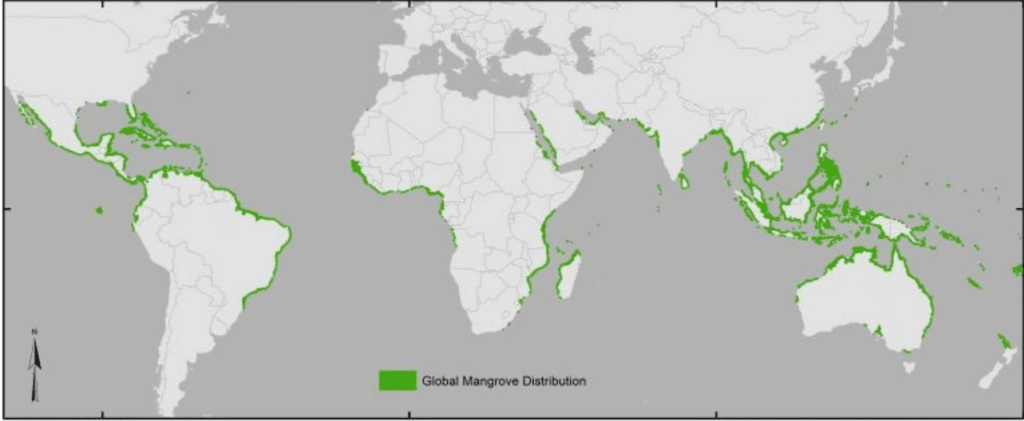
Along tropical and sub-tropical coastlines especially in South and South-East Asia, Africa, Australia, and the Americas, mainly near deltas and estuaries.
Largest Mangrove Forest: Sundarbans in West Bengal are the largest mangrove forest regions in the world. It is listed as a UNESCO World Heritage Site.
Geographical Conditions
They can survive under extreme hostile environments such as high salt and low oxygen conditions.
Underground tissue of any plant needs oxygen for respiration. But in a mangrove environment, the oxygen in soil is limited or nil.
The mangrove root system absorbs oxygen from the atmosphere.
Mangroves have special roots for this purpose called breathing roots or pneumatophores.
These roots have numerous pores through which oxygen enters the underground tissues.
Mangroves, like desert plants, store fresh water in thick succulent leaves.
A waxy coating on the leaves seals in water and minimises transpiration.
Viviparous: Their seeds germinate while still attached to the parent tree. Once germinated, the seedling grows into a propagule.
The mature propagule then drops into the water and gets transported to a different spot, eventually taking root in a solid ground.