

Healthcare, Infectious, Non-infectious, and Genetic Diseases form an important part of Science and Technology, as they help us understand how diseases arise, spread, and can be prevented or treated. This topic also covers diseases caused by deficiencies, various syndromes, zoonotic and non-zoonotic diseases, eye-related disorders, and diseases spread by mosquitoes and flies, highlighting the role of the immune system in protection. Additionally, the study of drugs and their classification explains how different medicines act to prevent, control, and cure diseases, contributing to better healthcare and quality of life.
Healthcare: infectious, non-infectious, and genetic diseases
When the functioning of one or more organs or systems of the body is adversely affected, characterized by the appearance of various signs and symptoms, we say that we are not healthy, i.e., we have a disease.
A wide range of organisms belonging to bacteria, viruses, fungi, protozoans, helminths, etc., could cause diseases in humans. Such disease-causing organisms are called pathogens. Most parasites are therefore pathogens as they cause harm to the host by living in (or on) them.
Diseases have two broad categories: Congenital and Acquired diseases.
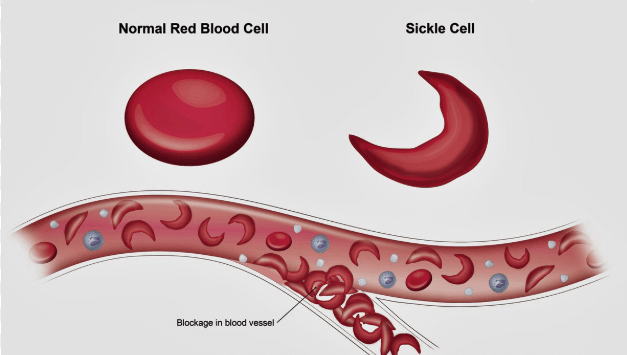
- Congenital Diseases –These are structural or functional abnormalities. These diseases are present in a person since birth. Congenital diseases are genetic disorders (e.g., sickle cell anemia), disorders related to physiology and development (e.g. hair lip or cleft lip).
- Acquired diseases – These diseases are caused by various reasons after birth i.e., infection, disruption, diet, addiction, stress, mutation etc. Acquired diseases are further divided into two types: Infectious disease and Non infectious disease
Non-infectious diseases
Non-infectious Diseases – Factors other than pathogens(Like lifestyle, environment, or aging) cause these diseases. These can’t be spread by contact from one person to another. Thus also known as non-communicable diseases. For these reasons, they are connected to each person, e.g., Cancer, allergy, deficiency diseases, injuries, etc. These may be of various types –
- Deficiency Diseases – It is caused due to less availability of any essential component of diet or unbalanced diet. For example, kwashiorkor, blood impairment (deficiency), and beriberi.
- Degenerative Diseases – These diseases are caused due to weakness or old age e.g., Atherosclerosis, Parkinson
- Allergy – By the presence of foreign substances the person becomes highly stressed, e.g., Rhinitis (nasal related).
- Addiction – These diseases are caused by addictive drugs, alcohol, and tobacco.
- Mental Disorders – These diseases are related with stress, anxiety, mental disabilities, madness, schizophrenia and psychosis.
- Cancer – It is one of the main causes of death in which cells divide continuously, crushing of normal cells, dying of cells due to starvation and starting loss of essential organs.
Infectious diseases
Infectious Diseases – These diseases are caused by pathogens and parasites. These can be transferred from an infected person to a healthy person. Thus also called communicable disease. Transmission may be through direct contact or by factors such as blood and serum.
- Contagious Disease – These diseases are spread by direct contact with a healthy person. For example ring worm, Conjunctivitis.
- Non-contagious Diseases – These diseases can spread by infected factor carrier (e.g. Dengue, Malaria), blood, serum (AIDS, Typhus fever)
Disease caused by Bacteria
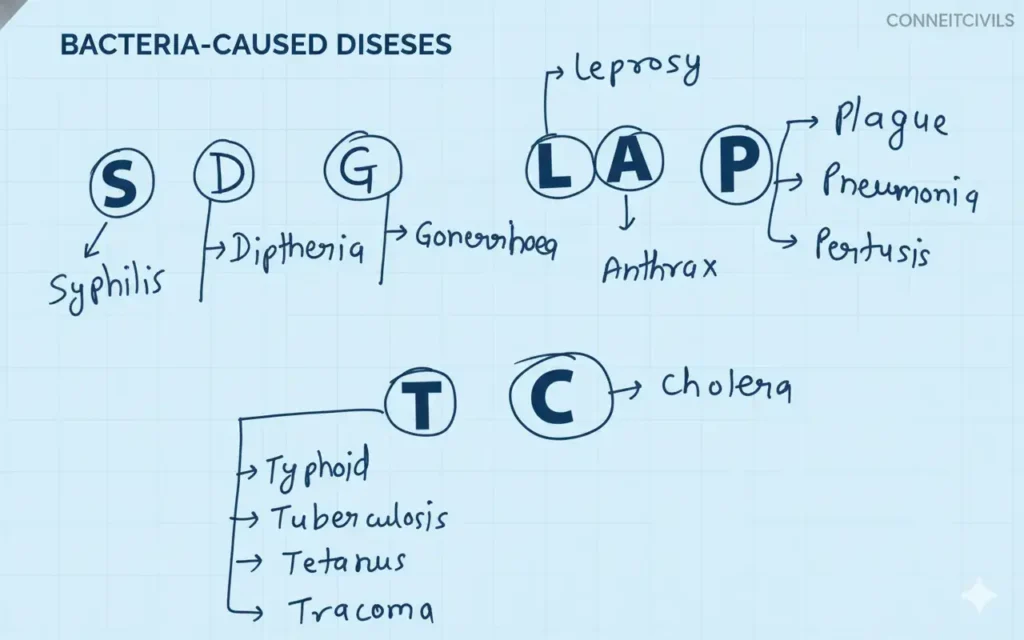
| Disease | Causative Bacterium | Main Symptoms | Mode of Transmission |
| Leprosy (Hansen’s disease) | Mycobacterium leprae | Skin rashes, ulcers, finger/toe deformities, nerve damage | Direct contact with patient, discharge from wounds |
| Tuberculosis (T.B.) | Mycobacterium tuberculosis | Persistent cough (sometimes with blood), fever, weight loss, weakness | Airborne (coughing, sneezing) |
| Diphtheria | Corynebacterium diphtheriae | Thick coating in throat, fever, breathing difficulty | Droplets, touching infected items |
| Tetanus | Clostridium tetani | Muscle stiffness, jaw lock, body cramps | Entry through wounds/cuts |
| Pneumonia | Diplococcus pneumoniae | Fever, chest pain, cough, breathing difficulty | Airborne droplets |
| Diarrhoea | Shigella group, E. coli, Salmonella | Watery stool, vomiting, dehydration, weakness | Contaminated food or water |
| Meningitis | Neisseria meningitidis | Headache, high fever, vomiting, neck stiffness | Contact or droplets from patient |
| Gonorrhoea | Neisseria gonorrhoeae | Yellow discharge, painful urination, genital inflammation | Sexual contact |
| Cholera | Vibrio cholerae | Diarrhea, vomiting, dehydration, muscle cramps | Contaminated water/food |
| Typhoid | Salmonella typhi | Fever, headache, stomach pain, rashes, weakness | Contaminated food/water or contact |
| Whooping Cough (Pertussis) | Bordetella pertussis | Dry cough with a whooping sound, mild fever, breathing difficulty | Air droplets |
| Melioidosis | Burkholderia pseudomallei | Fever, cough, headache, chest pain, muscle pain. | Bacteria live in soil and water, and can persist for years in contaminated environments.Person-to-person transmission is very rare |
Disease caused by Protozoa
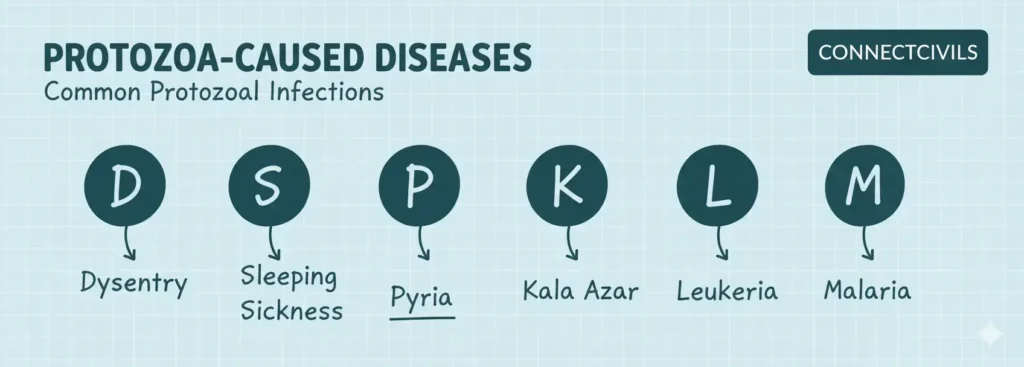
| Disease | Causative Organism | Vector / Transmission | Main Symptoms |
| Amoebiasis (Amoebic Dysentery) | Entamoeba histolytica | Contaminated food & water; spread by houseflies | Loose motions with mucus/blood, stomach cramps, weakness |
| Giardiasis | Giardia lamblia | Contaminated food & water | Loose motions, stomach ache, headache, loss of appetite |
| Trypanosomiasis (Sleeping Sickness) | Trypanosoma gambiense | Bite of the Tsetse fly (Glossina palpalis) | Swelling in glands, headache, and constant sleepiness.Kenya has eliminated sleeping sickness |
| Malaria | Plasmodium sp. (P. vivax, P. falciparum, P. malariae, P. ovale) | Bite of a Female Anopheles mosquito | Fever with chills, headache, vomiting, weakness |
| Leishmaniasis (Kala-Azar) | Leishmania donovani | Bite of Sandfly | Swelling of spleen & liver, boils on skin, affects nose & throat |
| Trichomoniasis | Trichomonas vaginalis | Sexual contact | Foamy discharge, itching, burning, vaginitis |
| Toxoplasmosis | Toxoplasma gondii | Contact with infected animals or contaminated food | Affects the brain and nerves, hydrocephalus, chorioretinitis |
Diseases caused by Virus
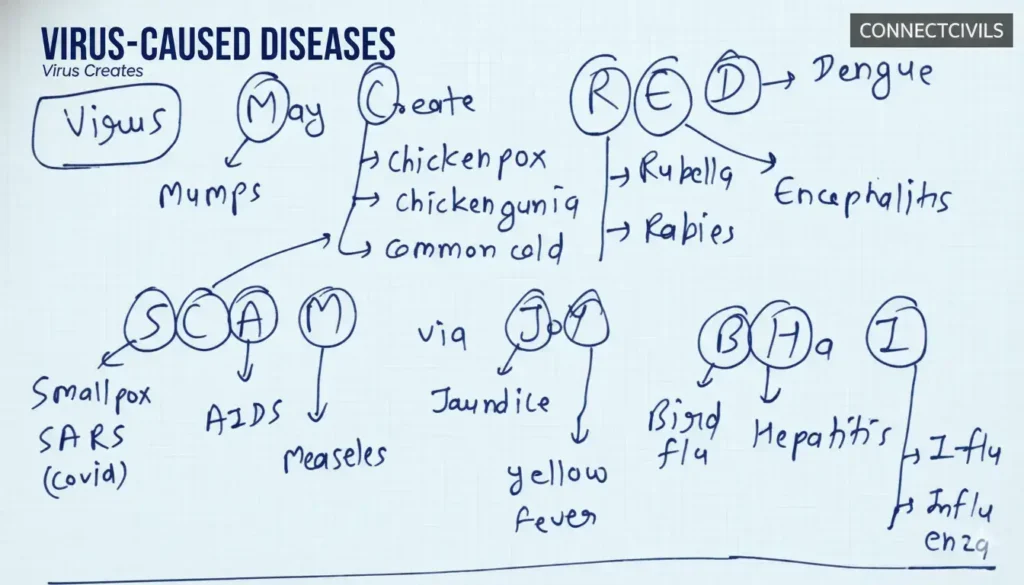
| Disease | Causative Virus | Mode of Transmission | Main Symptoms |
| AIDS (Acquired Immuno Deficiency Syndrome) | Human Immunodeficiency Virus (HIV) | Unsafe sexual contact, infected blood transfusion, shared needles, mother to child | Weak immune system, weight loss, fever, fatigue, frequent infections |
| Polio | Poliovirus | Contaminated food and water | Fever, cough, vomiting, paralysis of limbs, and breathing difficulty |
| Hepatitis A | Hepatitis A Virus (HAV) | Contaminated food and water | Jaundice, loss of appetite, vomiting, yellow eyes, and urine |
| Hepatitis B | Hepatitis B Virus (HBV) | Infected blood, needles, sexual contact, mother to child | Fever, jaundice, dark urine, liver swelling, low appetite |
| Hepatitis D | Hepatitis D Virus | carcinogenic to humanscauses of liver cancer | Fever, jaundice, dark urine, liver swelling, low appetiteNo separate vaccine for Hepatitis D |
| Rabies | Rabies virus | Bite of infected animals (dog, cat, monkey, etc.) | Pain and inflammation at the bite site, fear of water, fits, difficulty swallowing |
| Mumps | Mumps virus (Paramyxovirus) | Airborne droplets (cough/sneeze) | Swelling of salivary glands, fever, headache, pain while swallowing |
| Influenza (Flu) | Influenza virus | Airborne droplets from a cough/sneeze | Fever, headache, muscle pain, sore throat, tiredness |
| Jaundice (Viral type) | Hepatitis viruses (mainly A & E) | Contaminated food and water | Fever, yellow skin and eyes, loss of appetite, weakness |
| Smallpox | Variola virus | Airborne droplets or direct contact | High fever, rashes, fluid-filled pustules on skin |
| Common Cold | Rhinovirus | Airborne droplets or contact with an infected surface | Runny nose, sore throat, mild fever, sneezing |
Diseases caused by helminths
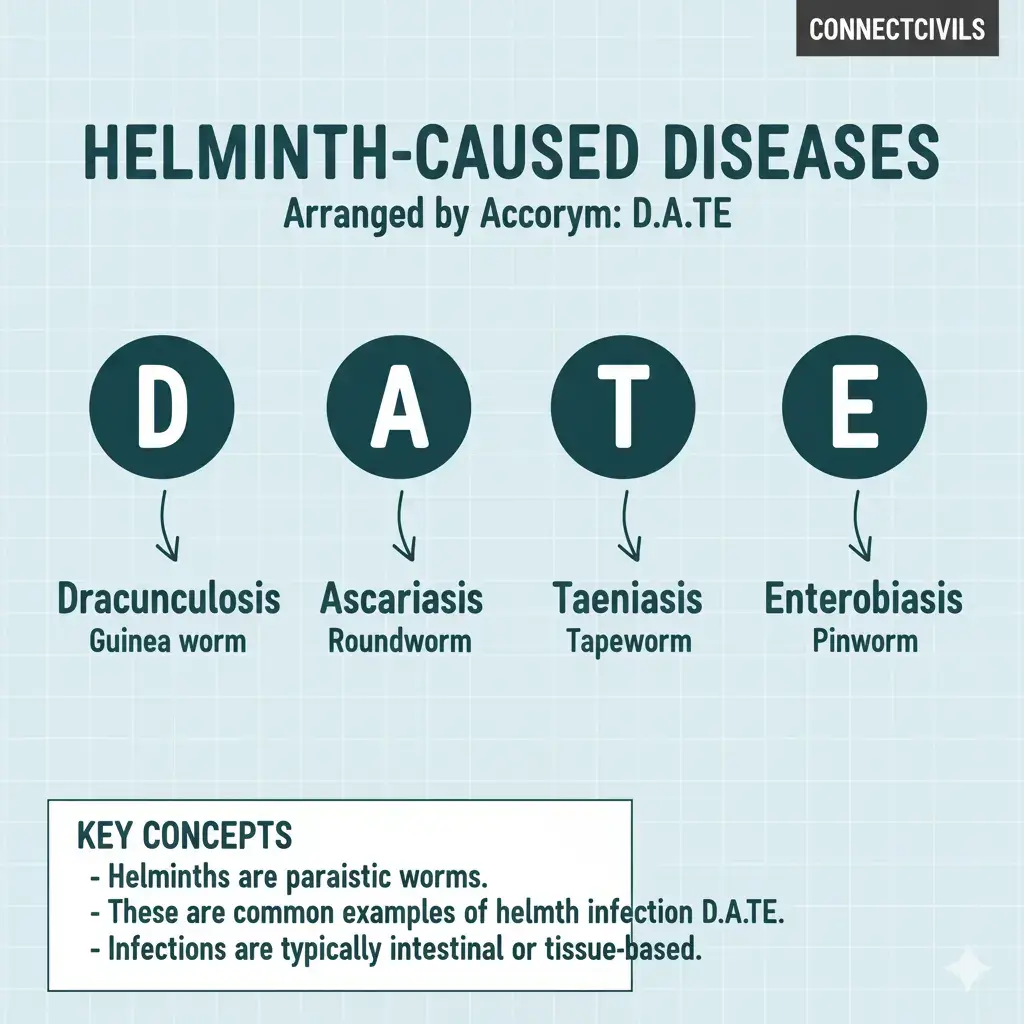
- Dracunculosis – Also called Nairu disease.
- Some other common examples
- Trichariasis
- Filarisis( Japanese Elephantatists) – Caused by Wucharia Boncrafti
Diseases caused by Fungus
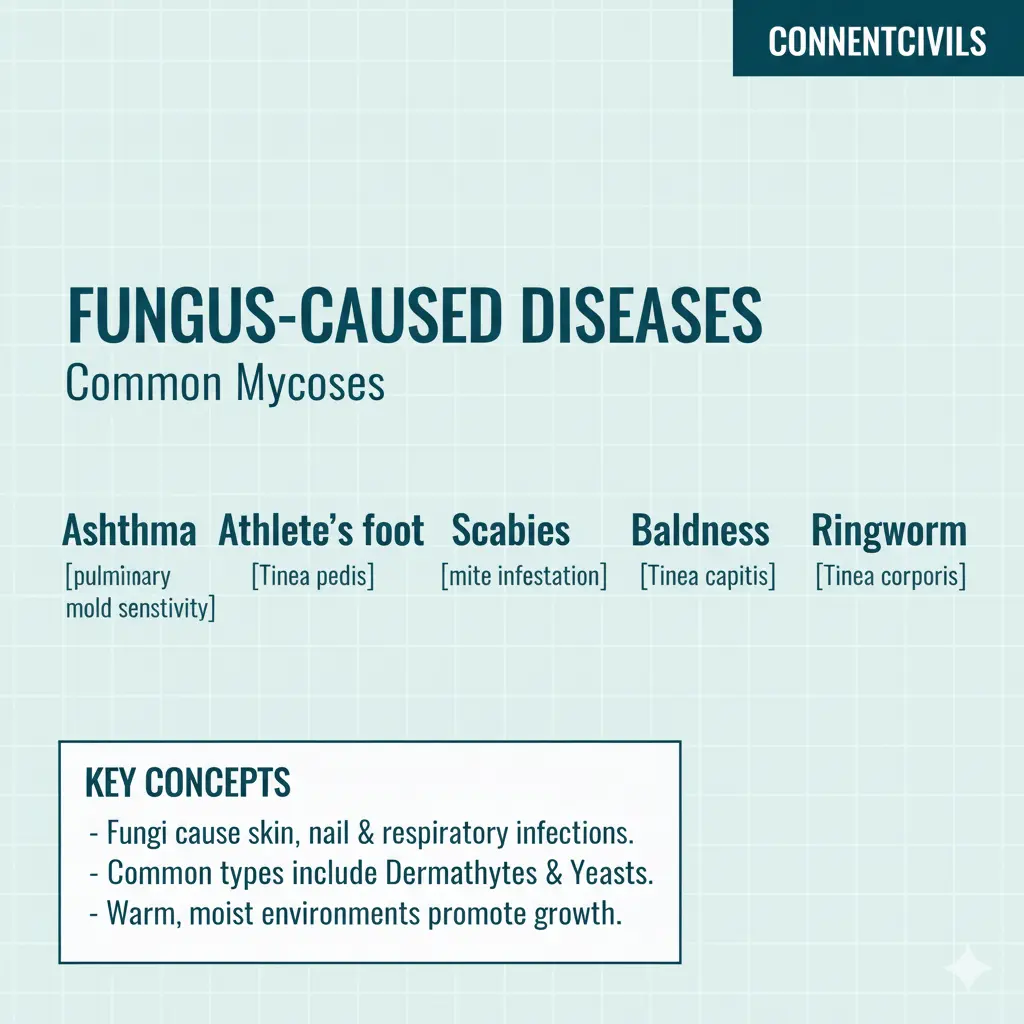
Some specific disease
AIDS (Acquired Immuno Deficiency Syndrome)
- Cause: HIV virus
- How it spreads: From body fluids(blood, breastmilk, semen,vaginal fluid) of an infected person, Sexual contact, Through infected needles/syringes, Blood transfusion, From infected mother to her baby during pregnancy, delivery or breastfeeding, From infected blades/sharp objects
- Symptoms: Swollen lymph glands, Low platelets → fever & bleeding, Night sweating, Weight loss, Memory loss, weak thinking, Higher risk of other infections due to low immunity
- Prevention: Do not share needles/blades, HIV test before blood transfusion, Use new blade while shaving, Safe sexual practices, and healthy lifestyle
- Treatment: ART (Anti-Retroviral Therapy), No complete cure, but treatment effectively controls virus
Naru / Bala (Guinea Worm Disease)
- Cause: Worms (30–125 cm long)
- Transmission: Through contaminated drinking water containing Cyclops microorganisms.
- Causes of disease: Drinking unclean/impure water, Drinking pond/bavdi water, Drinking unfiltered water
- Symptoms: Boils on legs and hands, Severe pain at boil site, Fever, Female worms grow in muscles, If worm dies inside, it poisons lymph nodes
- Prevention: Drink boiled/filtered water
- Treatment: Removal of worm, proper medical care
Swine Flu
- Cause: H1N1 influenza virus
- Spread by contact with infected person
- Symptoms: Sore throat, cough, Cold, Fever, Body aches
- Prevention: Frequent handwashing, Use handkerchief/tissue while coughing, Avoid crowded places , Use mask
- Treatment: Tamiflu tablets as prescribed by doctor
Food Poisoning
- Cause: Eating microbial contaminated( E. coli, salmonella) or spoiled food, Microbes produce toxins that make food poisonous
- Symptoms: Vomiting, nausea, stomach cramps, diarrhoea
- Prevention: Avoid stale or contaminated food, Maintain kitchen hygiene
- Treatment: Timely doctor advice, ORS to prevent dehydration
Cancer
- Cause: Uncontrolled cell division, Rapid and abnormal growth of cells
- Symptoms: Tumour formation, Painless lumps in early stages, Severe pain in later stages, Tumours may occur in tongue, throat, lungs, blood, uterus etc.
- Prevention: Early diagnosis, Avoid tobacco, alcohol, Healthy lifestyle, Safe radiation exposure
- Treatment: Surgery, chemotherapy, radiotherapy (cobalt therapy)
Dengue
- A viral disease caused by Dengue virus, spread by Aedes aegypti (female) mosquito.
- Transmission: Bite of infected Aedes mosquito.
- Causes: Mosquito breeding in dirty or stagnant water, Low platelet count
- Symptoms (start after 3–14 days): Fever with shivering, Headache, Pain in eyes, Joint/body pain, Loss of appetite Vomiting, Diarrhoea, Red rashes on skin.
- Prevention: Do not allow standing water, Clean containers weekly, Use insecticides, Keep coolers dry when not in use
- Treatment: As advised by doctor (No self-medication)
Anemia
- Cause: Deficiency of haemoglobin and blood.
- Symptoms: Pale face, Weakness, Tiredness, Giddiness / Vertigo,White boils on tongue
- Prevention: Eat nutritious food: sprouted grains, green vegetables, anjeer, beetroot, brinjal, sesame, etc.
- Treatment: Iron tablets
- Important: Government provides free iron tablets to adolescents.
Mode of Transmission of Disease

Diseases caused by deficiencies
Protein deficiency
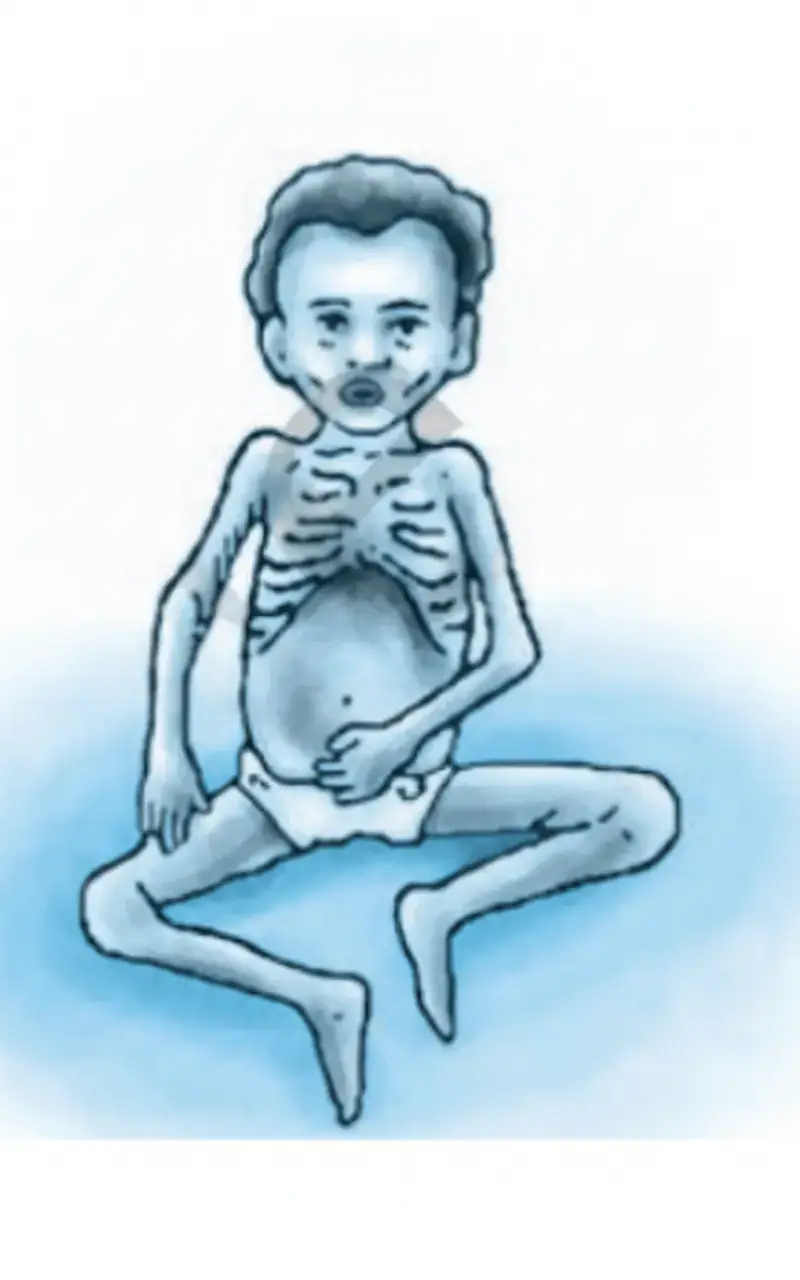
Marasmus
It is due to lack of calories and protein deficiency. In this disease, the body starts drying, the patient becomes feeble with weak face, lusterless, sinking eyes, and chronic diarrhoea.
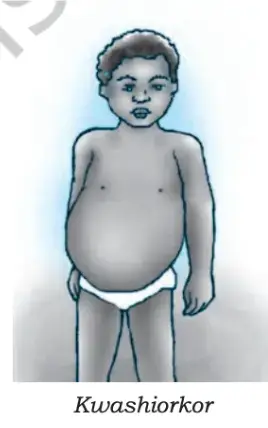
Kwashiorkor
It is a severe form of protein malnutrition that causes fluid retention and swelling, especially in the abdomen, ankles,
and feet.
Vitamin deficiency
| Vitamin name | Chemical name | Disease caused by deficiency | Deficiency Symptoms |
| A | Ratinol | Night blindness | Difficulty seeing in low light, such as driving at night, and trouble adjusting from bright to dark environments. |
| Xerophthalmia(dry eye) | Include dryness, burning, gritty feelings, and difficulty seeing at night. | ||
| D | CalciferolOsteomalacia | Rickets disease | Include delayed growth, bone pain, muscle weakness, and skeletal deformities like bowed legs or a protruding breastbone. |
| E | Tocopherol | Infertility, paralysis | |
| K | NaphthoquinonePhylloquinone | Bleeding, No formation of blood clot | Excessive bleeding from minor cuts, easy bruising, nosebleeds, and heavy menstrual bleeding. |
| C | Ascorbic acid | Scurvy | Include fatigue, joint pain, and swollen, bleeding gums. |
| B 1 | Thiamine | Beriberi | Include numbness, tingling, muscle weakness, difficulty walking, and mental confusion. |
| B 2 | Riboflavin | Cheilosis | Include cracked and split corners of the mouth, redness, swelling, dryness, and crusting at the corners of the mouth |
| B 3 | Nicotinic acidNiacin | Pellagra | “3 D’s”: dermatitis (skin rash, especially on sun-exposed areas), diarrhea (digestive issues), and dementia (mental confusion, memory loss). |
| B 5 | Pantothenic acid | Burning feet syndrome | Involves a burning sensation in the hands and feet. Other effects can include fatigue, irritability, numbness, muscle cramps, skin problems. |
| B 6 | Pyridoxine | Dermatitis, Anemia | Include itchiness, dry or cracked skin, redness, and rashes |
| B 9 | Folic acid | Megaloblastic anemia | fatigue, weakness, pale skin, and shortness of breath |
| B 12 | Cyanocobalamin | Pernicious anaemia | Include fatigue, pale skin, and shortness of breath from the anemia itself, as well as neurological issues like numbness, tingling, confusion, and memory problems |
| B 7 (H) | Biotin | Spectacle eye, fall of hair | Includes hair loss, skin rashes (often around the eyes, nose, and mouth), and brittle nails. |
Note:- Vitamin – A,D,E,K are fat soluble. Vitamin– B complex ,C are water soluble
Disease caused by hormone abnormalities
| Gland | Hormone secreted | Hyper/hypo secretion | Disease |
| Adrenal gland | EstrogenTestosterone | Hyper secretion | Conn’s diseaseCushing diseaseHirsutism or adrenal virilismGynaecomastiaOedema |
| Pancreas | Insulin | Hypo secretion | Diabetes MellitusPolyureaPolydipsiaKetosis |
| Hyper secretion | Hypoglycemia | ||
| Parathyroid gland | Parathormone | Hypo secretion | Hypocalcemic Tetany |
| Hyper secretion | OsteoporosisOsteitis fibrosa cystica | ||
| Thyroid gland | Thyroxine | Hypo secretion | CretinismMyxoedemaGoiterHashimoto’s disease |
| Hyper secretion | Exophthalmic goiterPlummer’s diseaseGraves disease | ||
| Pituitary gland | ADH (Vasopressin) | Hypo secretion | Diabetes insipidus |
| Growth hormone | Hypo secretion | DwarfismAteliosis | |
| Hyper secretion | GigantismAcromegalySimmonds disease | ||
| Gonads | Estrogen | Hyper secretion | Irregular menstrual cycle |
Syndromes
- Chromosome are thread like structured capable of automatic generation. These are situated in nucleus. These can be studied easily after staining. They carry hereditary characters from one generation to other generation so these are known as carriers of heredity.
- 1848, Hofmeister observed chromosomes in pollen grain mother cell of Tradescantia. In 1888, Waldeyer called these structures as chromosomes.
- Autosomes and Sex chromosomes
- 23 pairs of chromosomes means 46 chromosomes are found in human. Out of these 46 chromosomes 44 chromosomes are similar in male and female which are known as somatic or asexual chromosomes or autosomes.
- In males remaining two chromosomes one chromosome is smaller and the other is bigger. These are respectively known as X and Y chromosomes.
- In female human both the chromosomes are similar and are known as XX chromosomes.
- Thus in human species, total 44 + XY = 46 chromosomes are found in males and 44+XX = 46 chromosomes in females.
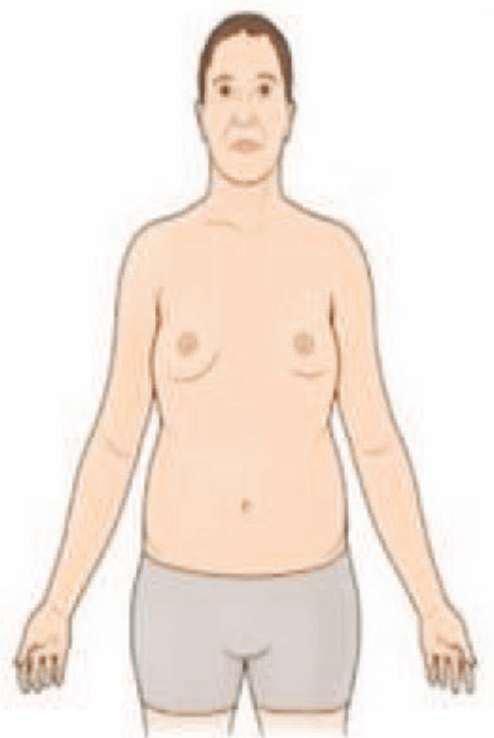
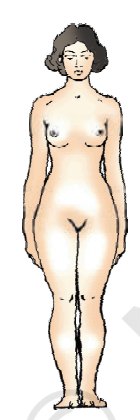
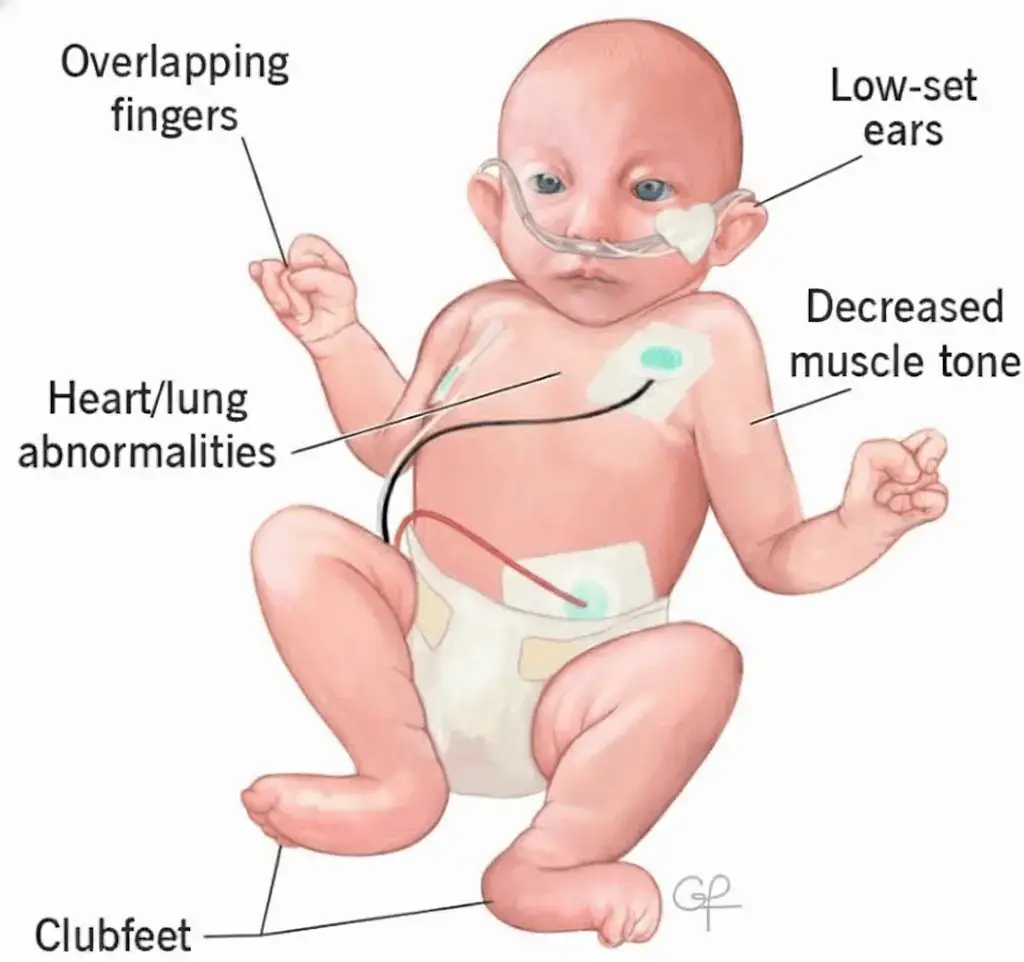
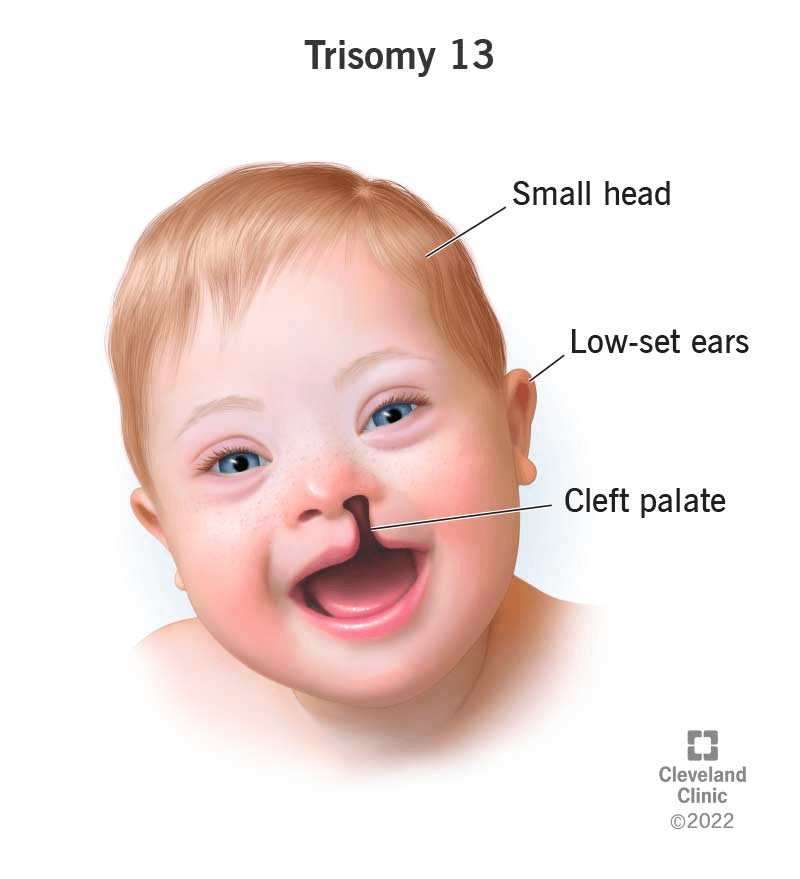
- Broadly, genetic disorders may be grouped into two categories – Mendelian disorders and Chromosomal disorders.
Chromosomal disorders
|
Name of syndrome |
Characteristics |
Symptoms |
|
Down syndrome |
|
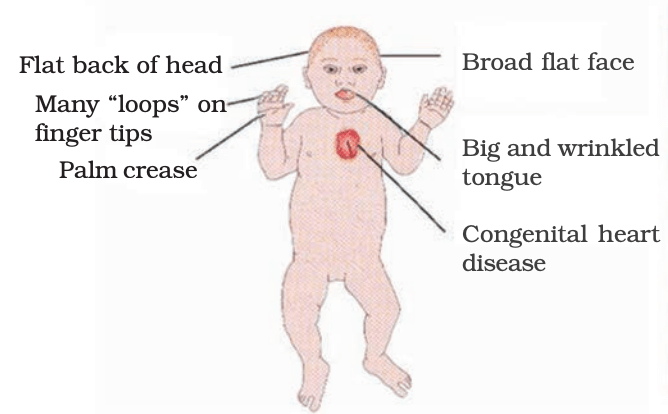 |
|
Klinefelter syndrome |
|
 |
|
Turner syndrome |
|
 |
|
Edward syndrome |
|
 |
|
Patau syndrome |
|
 |
- Mendelian disorders are mainly determined by alteration or mutation in a single gene. These disorders are transmitted to the offspring on the same lines as we have studied in the principle of inheritance. The pattern of inheritance of such Mendelian disorders can be traced in a family by the pedigree analysis. Most common and prevalent Mendelian disorders are Haemophilia, Cystic fibrosis, Sickle cell anaemia, Colour blindness, Phenylketonuria, Thalassemia, etc.
- It is evident that this X-linked recessive trait shows transmission from carrier female to male progeny.
Mendelian disorders
|
Genetic Disorder |
Description / Characteristics |
|
Colour Blindness |
|
|
Haemophilia |
|
|
Sickle-cell anaemia |
 |
|
Phenylketonuria |
|
|
Thalassemia |
|
Other syndromes
|
Syndrome |
Description / Characteristics |
|
Cri-du-chatsyndrome |
Due to the partial chromosome deletion of the smaller arm of chromosome number 5.High-pitched, “cat-like” cry in infants. |
|
Evans Syndrome |
Rare autoimmune disease where antibodies destroy red blood cells and platelets, causing anemia, thrombocytopenia, fatigue, and bleeding problems. |
|
Blue Baby Syndrome |
Caused by nitrate-contaminated water. Nitrites formed reduce hemoglobin’s oxygen-carrying capacity, making infants bluish, weak, and breathless. |
|
Grey Baby Syndrome |
Newborns given antibiotic chloramphenicol, their immature liver cannot metabolize it properly, leading to toxic buildup, greyish skin, vomiting, low blood pressure, and collapse. |
|
Nephrotic Syndrome |
Kidney disorder with massive protein loss in urine, low albumin, edema, and high cholesterol; treated with steroids and supportive care. |
|
Hunter Syndrome |
A rare, inherited genetic disorder (also called mucopolysaccharidosis type II) that primarily affects males and is caused by a deficiency in an enzyme called iduronate-2-sulfatase.The enzyme is needed to break down two types of complex sugar molecules: dermatan sulfate and heparan sulfate. Without enough enzyme, these sugar molecules accumulate in cells, causing progressive damage. 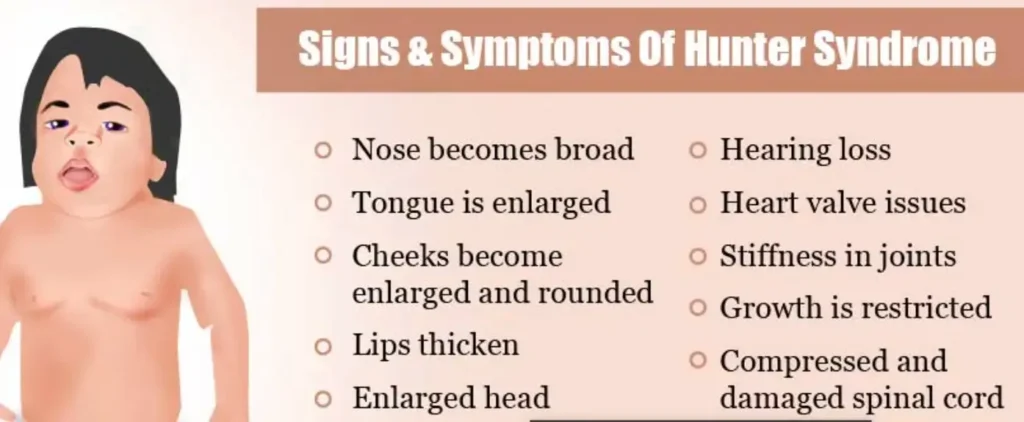 |
Zoonotic disease
- Zoonotic diseases are infectious illnesses that spread between animals and humans.
- Zoonotic diseases spread through contact with infected body fluids, animal bites, contaminated water and eating infected meat.
- Bats, livestock, rodents, birds, and other vertebrates can carry them.
- The word Zoonoses was coined by Rudolf Virchow (1959).
- World Zoonoses Day is observed on 6 July.
- Theme of 2025 – One health: United against Zoonotic threats
| Types | Features | Common examples |
| Bacterial Zoonoses: | These are diseases caused by bacteria — microscopic single-celled organisms that can release toxins and make you sick. | Anthrax, Brucellosis, Cat scratch disease, Lyme disease, Mycoplasma, Pneumoniae, Plague, Q fever, Salmonella, Tularemia, and Tuberculosis. |
| Parasitic Zoonoses: | These diseases are caused by parasites such as Worms, Protozoa (single-celled organisms), or external parasites like lice and mites. | Toxoplasmosis, Giardiasis, Liver fluke, Malaria, Taeniasis (a tapeworm infection from pork or beef), and Trichinosis. |
| Viral Zoonoses: | Viruses are submicroscopic infectious agents that enter our cells to make more copies of themselves. | Japanese encephalitis, Chikungunya, Rabies, Chandipura, Kyasanur forest disease, Buffalo Pox, Nipah virus, Gunjan virus, Bhanja virus, Lassa fever, COVID-19, Monkeypox, HIV AIDS, Ebola, Hantaanavian influenza (bird flu), Marburg virus disease, Mpox, and Rabies. |
Non-zoonotic disease
- Lumpy Skin Disease – viral, cattle only
- Rinderpest – viral, cattle only (eradicated now)
- Foot and Mouth Disease (FMD) – viral, cattle, sheep, goats, pigs (not in humans)
- Newcastle Disease – viral, poultry only
- Marek’s Disease – viral, poultry only
- Classical Swine Fever (Hog Cholera) – viral, pigs only
- African Swine Fever – viral, pigs only
- Sheep Pox & Goat Pox – viral, sheep/goat only
- Avian Infectious Bronchitis – poultry only
- Bovine Ephemeral Fever – cattle only
State-wide FMD Disease Control Program
- Launch : By Animal Husbandry Minister Joraram Kumawat on September 24, 2025, at Pinjrapole Gaushala (Cowshed) in Pali.
- The 6th round disease control vaccination drive for F.M.D. (Foot-and-Mouth Disease) will be carried out in the state under the National Animal Disease Control Program during the year 2025-26, and the campaign program will run until November 23, 2025.
Autoimmune disease
Immune System – It protects our body from harmful things like viruses, bacteria, and toxins. It works automatically to find and fight these invaders. It sends white blood cells to destroy them before they can make you sick.
Autoimmune diseases are health conditions that happen when your immune system attacks your body instead of defending it. Sometimes, the immune system becomes too active. When there are no germs to fight, it mistakenly attacks your own healthy cells. This attack damages your body’s normal tissues.
Examples
- Celiac disease 7. Inflammatory bowel disease
- Type 1 Diabetes Mellitus 8. Rheumatoid arthritis (RA)
- Addison’s disease 9. Multiple sclerosis
- Pernicious anemia 10. Systemic lupus erythematosus
- Myasthenia gravis 11. Psoriasis / Psoriatic arthritis
- Hashimoto’s thyroiditis 12. Lichen planus
- Vitiligo
Rare disease
- WHO defines a rare disease as an often debilitating lifelong disease or disorder with a prevalence of 1 or less per 1000 people.
- Examples – SMA type 2 , Cystinosis , Pompe , Gaucher disease , Hunter syndrome
Initiative of Rajasthan Government
- Government of Rajasthan announced rare diseases fund of 50 crore
- Rare diseases Day is observed on the last day of February month
- For diagnosis and treatment of rare diseases center of excellence for medical Genetics will be established at JK loan Hospital, Jaipur
- “Raj Sambal” portal – Rare diseases crowdfunding portal
Disorders
| Disorders | Cause / Description | Examples |
| Biochemical Disorders | Caused by excess or deficiency of biochemicals like hormones, enzymes, or body wastes. | Hormone imbalance, high urea, uric acid, creatinine problems |
| Exogenous Chemical Disorders | Caused by exposure to pollutants, chemicals, or allergens from the environment. | Asthma, allergy, chemical poisoning |
| Lifestyle Disorders | Caused by unhealthy food habits, lack of exercise, stress, or addictions.NCDs(Non-Communicable disease) also known as chronic diseases, tend to be of long duration and are the result of a combination of genetic, physiological, environmental and behavioural factors. | Obesity, diabetes, heart disease, hypertension |
| Mechanical Disorders | Caused by physical injuries or damage to body parts. | Bone fracture, sprain, joint injury |
| Degenerative Disorders | Related to ageing; tissues or organs gradually lose function. | Arthritis, atherosclerosis, heart disease, hypertension |
| Genetic Disorders | Caused by defects in genes passed from parents to offspring. | Color blindness, Down syndrome, hemophilia |
| Mental Disorders | Caused by emotional, social, or psychological problems. | Depression, anxiety, schizophrenia |
|
Type of Disorder |
Details |
|
Neurodegenerative disorder |
|
|
Eating disorder |
|
|
Respiratory Disorders |
|
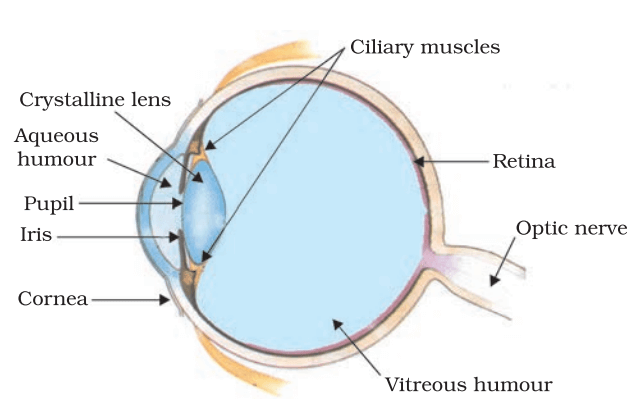
Eye-related disease
|
Common eye disease |
Description |
Image |
|
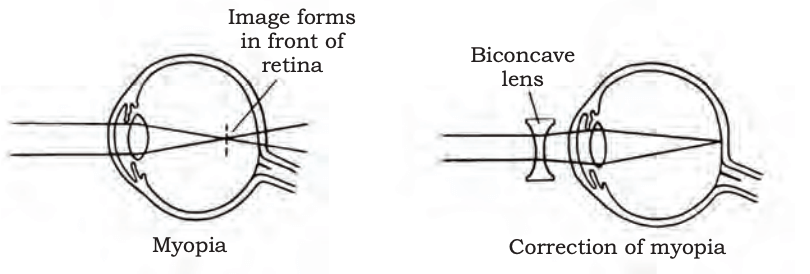
Myopia (Short-sightedness) |
Cause – Eyeball too long or lens too curvedEffect on Vision – Can see near objects clearly but not distant ones (image forms before retina)Treatment – Use concave lens |
 |
|
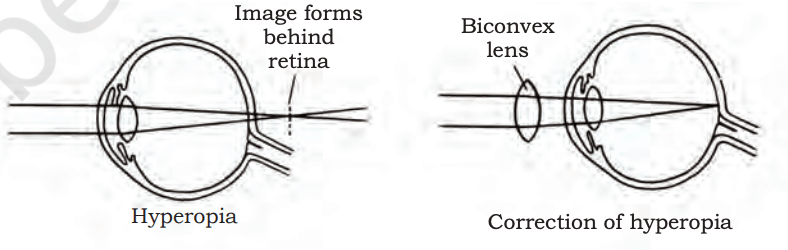
Hypermetropia (Long-sightedness) |
Cause – Eyeball too short or weak lensEffect on Vision – Can see distant objects clearly but not near ones (image forms behind retina)Treatment – Use convex lens |
 |
|
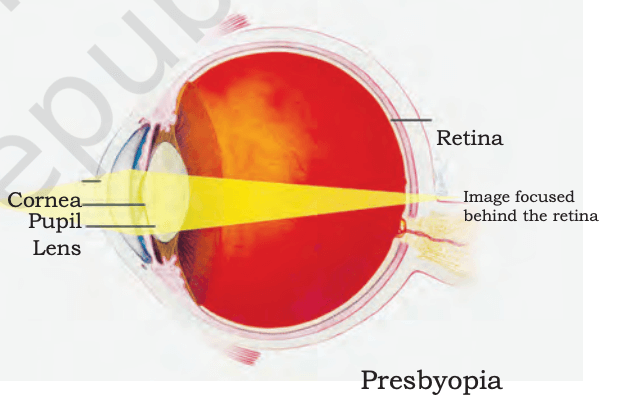
Presbyopia |
Cause – The power of the eye to see nearby objects decreases with ageing. Effect on Vision – They find it difficult to see nearby objects comfortably and distinctly without corrective eyeglasses.Treatment – requires bifocal lenses. |
 |
|
Cataract |
Cause – Lens becomes cloudy or opaque (usually in old age).Denaturation and aggregation of lens proteins (crystallins) with age.Effect on Vision – Blurred or no visionTreatment – surgery to place clear artificial intraocular lens |
|
|
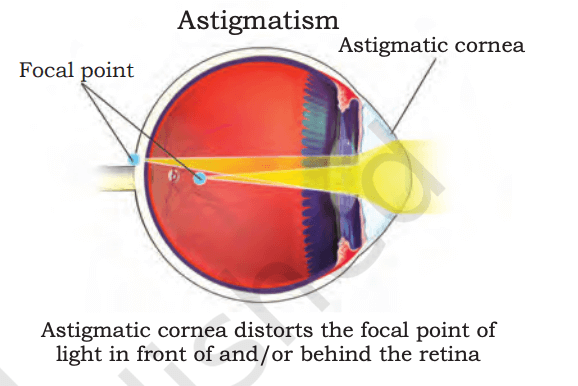
Astigmatism |
Cause – Irregular curvature of the corneaEffect on Vision – Blurred or distorted visionTreatment – Use a cylindrical lens |
 |
|
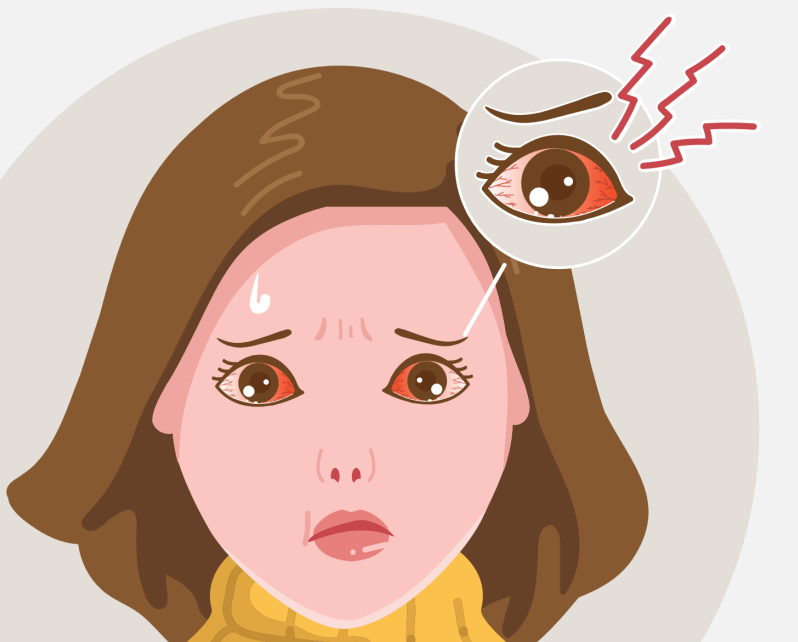
Conjunctivitis (Pink eye) |
Cause – Bacterial infection of conjunctivaEffect on Vision – Redness, itching, watery eyes (“Ankh ka Ana”)Treatment – Use antibiotic eye drops |
 |
|
Colour Blindness |
Cause – Genetic defect (lack of cone cells)Effect on Vision – Unable to distinguish between certain colors (usually red and green) |
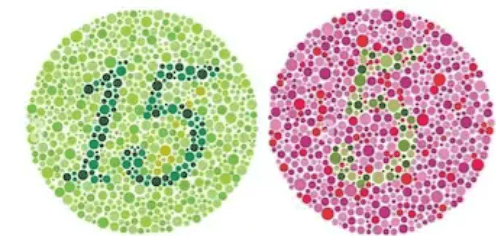 Issihara test |
|
Glaucoma |
It refers to a group of eye diseases where in the optic nerve gets progressively destroyed (Fig.3.2). This is often due to an increase of pressure within the eye, resulting in gradual vision loss and, eventually, blindness. (IOP). Normal intraocular pressure is 14.6–22.04 mm of mercury.Glaucoma (Kala Motia) is known as the ‘ Silent thief’ of vision. |
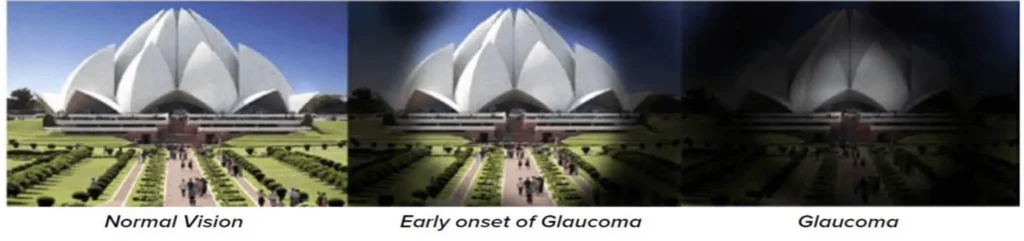 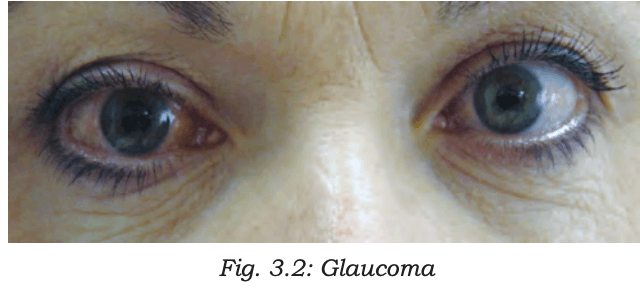 |
|
Night Blindness |
Cause – Deficiency of Vitamin AEffect on Vision – Poor vision in dim light or darknessTreatment – Eat Vitamin A-rich food |
|
|
Trachoma |
Contagious bacterial eye infection caused by Chlamydia trachomatis.In adults (after 15 years of age), because of repeated infections earlier in life, the eyelashes can turn inwards and can rub against the front part of the eye resulting in cloudiness, that in, turn lead to blindness.On 8th October 2024, the WHO declared India free from trachoma. |
Body parts affected
| Disease | The organ affected mainly |
| Jaundice, Hepatitis | Liver |
| Japanese encephalitis, Meningitis, Sleeping sickness, Primary Amoebic Meningoencephalitis (PAM) | Brain |
| Night blindness, Trachoma, Myopia, Hypermetropia, Glaucoma, color blindness, Cataract, presbyopia | Eye |
| Malaria | Liver, Kidney |
| Diarrhoea | Large Intestine |
| Goiter | Thyroid gland |
| Tuberculosis, pneumonia | Lungs |
| Scurvy, Pyorrhea | Teeth gums |
| Typhoid, Cholera, Dysentery | Intestine |
| Tetanus, Epilepsy, Rabies | Nervous system |
| AIDS | Defensive system (WBC) Lymphocytes |
| Polio | Spinal cord, Throat, backbone, Nervous system |
| Diphtheria, Whooping cough | Respiratory tube |
| Plague | Lungs, Lymph node, the area between the two legs |
| Leprosy | Nervous System Skin |
| Gonorrhea, Syphilis | Urinary Path |
Tests for the diagnosis of diseases
| Disease | Test for diagnosis |
| Kala-azar (leishmaniasis) | Colloidal antimony test |
| Syphilis | VDRL test |
| Deficiency of Vitamin C | Capillary fragility test |
| Diphtheria | SCHICK |
| Syphilis | Treponemal test |
| Leukemia | Complete blood count (CBC) |
| Typhoid | Widal test |
| AIDS | ELISA, Western blot, CD4 cluster of differentiation |
| The inflammation-causing factor in the body | ESR (erythrocyte sedimentation rate) |
| Swine flu | H1N1 |
| (Leprosy)Hansen’s disease | Lepromin test |
| Color blindness | Ishihara test |
| Tuberculosis | Mantoux test |
| Osteoporosis | B.M.D. test |
| To measure the interaction between platelets and von Willebrand factor | R.I.P.A (Ristocetin-Induced Platelet Aggregation) |
| Autoimmune hemolytic anemia | Coombs test |
Disease spreads from Mosquitoes and flies
|
Mosquitoe |
Disease spread |
|
Anopheles |
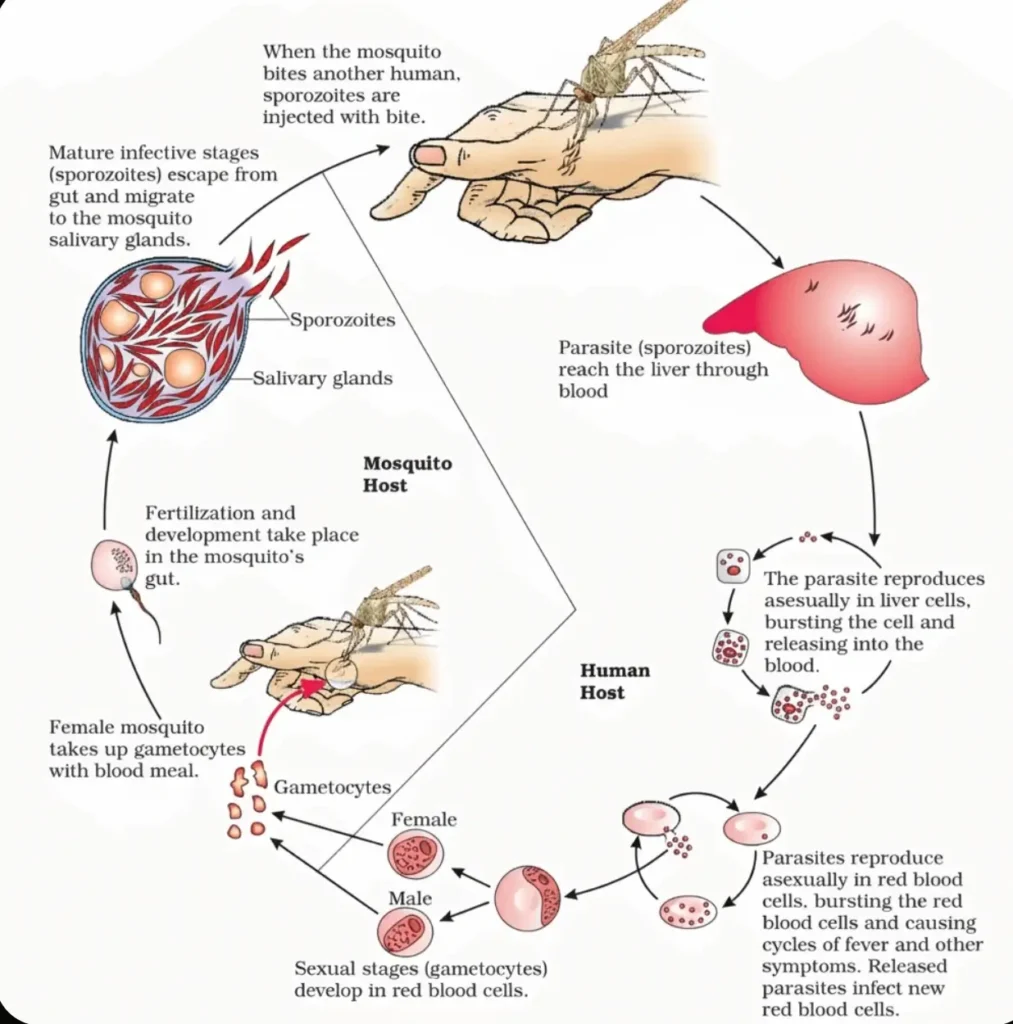 |
|
Aedes |
|
|
Culex |
|
|
Sand fly |
|
|
Tse-Tse fly |
|
|
Blue fly |
|
|
Domestic fly |
|
Antimicrobial resistance
- AMR – Occurs when bacteria, viruses, fungi, and parasites evolve to resist medicines over time and making antibiotics ineffective against them, making infections harder to treat and increasing the risk of spread of disease, illness and death.
- The World Health Organization (WHO) has identified AMR as one of the top 10 global public health threats.
- Nearly 7,00,000 people die of antimicrobial resistance every year.
- Reason– misuse of antibiotics, inadequate dosage and duration, self-medication
Measures Taken to Rising Anti-Microbial Resistance in The Country
- The national programme on AMR containment was launched
- National Action Plan on Antimicrobial Resistance (NAP-AMR), focusing on the One Health approach, was launched on 19th April 2017.
- ICMR established the AMR Surveillance and Research Network (AMRSN) in 2013,
- The Kerala Drug Control Department launched tests in the first week of January 2024 called Operation Amrith (AMRITH – Antimicrobial Resistance Intervention For Total Health) to prevent the overuse of antibiotics in the state.
- The nPROUD (New Programme for Removal of Unused Drugs) initiative was launched by Kerala to provide a systematic, government-led method for collecting and scientifically disposing of unused and expired medicines from households and pharmacies.
Immune System
At some point in life, everyone experiences infections caused by disease causing agents such as bacteria, viruses, fungi and parasites. We all have a system in the body to prevent these disease causing factors. This system is called the Immune System. This system protects us from the infection caused by disease causing factors.
Immunity is broadly defined as “the capacity of the body to recognize materials as foreign to itself and to neutralize, eliminate or metabolize them with or without injury to its own tissues”.
Edward Jenner (1749-1823) is considered to be the father of modern immunobiology.
Type of Immunity
Immunity is of two types : (I) Natural or Innate immunity (II) Acquired Immunity
Natural Immunity
A healthy individual is generally immune to potentially harmful microorganisms through a number of very effective mechanisms. These mechanisms are termed innate or natural immunity. Innate defence consists of
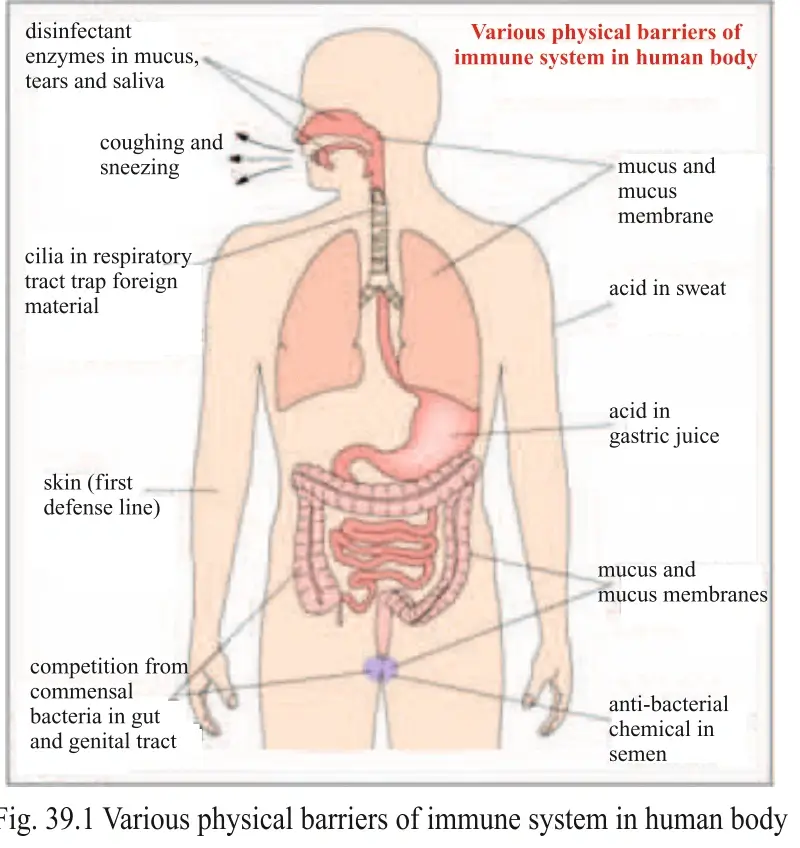
Physical barrier
- This prevents the disease causing micro-organism to enter the body. So this is first defense line. In this, the following organ participate :-
Skin
- The outer tough layer of skin is formed of keratin and is almost impermeable to germs. Sebaceous glands in the skin generate an acidic environment by producing lactic acid which kills many pathogens.
- Fat glands are attached with the hair follicle and they make an oily secretion called sebum. Sebum has lactic acid and fatty acid. These acids maintain the pH between 3 to 5 of the skin. Many of the micro organisms do not grow at this low pH. Intact skin prevent the entry of pathogens and its low pH prevent the growth of most bacteria.
- Through a small cut in the skin or bites of various insect pathogen enters in the body and they causes infection.
Mucous Membrane
- Epithelial lining of various organs : The respiratory tract, the alimentary tract (the gut) and the urino-genital tract have an exterior epithelial cell layer covered by a protective mucous lining.
- In the respiratory tract, cilia covering to the external surface of the epithelial cells continually beat upwards towards the nasopharynx and this helps to expel particles and pathogens.
- Epithelial cells are constantly renewed and their removal expels pathogens lodged on their surface.
Physiological barriers (Body secretions)
- Body secretions such as sweat and secretion from eyes also ward off pathogens. Other body fluids contain molecules which are bactericidal (capable of killing bacteria) . Such as spermine and zinc in seminal fluid, HCL acid in gastric juice, lactoperoxidase in milk, lysozyme enzyme in tears, saliva and nasal secretions.
If the bacteria enter in the body then the other two immunity processes start their functions.
- First the soluble chemical factors start their bactericidal effect which is called complement system and second by phagocytosis they are killed.
Complement system
- The group of proteins known as ‘complement’ provides another innate immunity mechanism for killing microbes without prior phagocytosis.
- The complement system is a group of more than 30 proteins. Components of some complement system are represented by the letter ‘C’ and with this it is displayed by the number. The number written in it represent the sequence of its discovery. Out of these the most important and the commonly found component is C₃.
- Complement component may also act as opson in (e.g. C36). Opson is that type of antibody whose binding to antigens on virus or bacterium facilitates their subsequent ingestion by the phagocytic cells. Such antibodies can also cause direct destruction of microbes by making their membrane leaky.
Cellular Phagocytic Barrier
- When the micro-organisms or inert particles such as colloidal carbon enter the tissue fluid or blood stream, these are very rapidly engulfed and destroyed by phagocytic cells. Such cells may either be circulating in body fluids or may be fixed in some tissues. This phenomenon is called phagocytosis (literally meaning ‘eating’ by the cell). The engulfment and destruction/digestion of microorganisms is assigned to two major types of cells named as microphages (certain WBC) and macrophages (in Liver and Spleen).
- Important features of phagocytic cells
- They rapidly engulf the foreign molecular foreign agent on coming in contact or which they come in contact with.
- They contain digestive enzymes to breakdown engulfed material.
- They are an important link between innate and acquired immunity
Inflammatory Barrier/Cytokine Barrier
- The various tissues of the body in which the wound developed due to injury or damaged cells due to infection of pathogens, at that spot radness, pain and heat is generated. In this, most cells of connective tissue and basophil cells of white blood corpuscles, secrete histamine and prostaglandin as chemical warning which generate inflammation. Due to spreading these, the blood capillaries become more permeable.
- These different complex and sequence wise processes are collectively called inflammatory processes.
- Plasma and phagocytes come out of the capillaries and do the work. The serum proteins present in plasma also have the bactericidal properties. Accumulation of these at a location, generate inflammation. Phagocytes destroy the micro-organism that enter into the body.
Acquired Immunity
- It is the immunity mediated by lymphocytes and characterized by antigen specificity and memory.
- This is developed by the organism on the basis of former memory power of micro-organism or the metabolic substances produced by them. It develops in the form of resistivity of the disease during the life span of the organism.
Acquired Immunity–
This immunity is antigen specific. Its main property is memory. When disease causing factors enter into the body for the first time, the immune system reacts by producing antibodies called primary response.
During this process memory cells are produced. Thus, when the same disease causing factor enters into the body again, then the immune system produces excess antibodies with the help of former memory cells and responds rapidly. This is called secondary immune response.
Acquired immunity is of two types :-
Active Immunity
- When disease causing organism or antigen enter into the body and antibodies are formed then this type of immunity is called active immunity. This immunity is slow and takes time to become effective but its effect remains for long periods. The natural active immunity is developed when infectious organism enter into body by natural infection while, when disease causing organism or antigen is intentionally introduced in the body by vaccination then artificial active immunity is developed.
- Some infections, such as diphtheria, whooping cough, smallpox and mumps usually induce a lifetime immunity i.e. a patient once recovered does not get the disease subsequently.
- Other diseases such as common cold, influenza, bacillary dysentery and pneumococcal pneumonia confer immunity for a shorter period, sometimes only for a few weeks.
Passive Immunity
- When the preformed antibodies are introduced into body for the protection then passive immunity is obtained. This immunity develops rapidly but remain effective for a short duration. During pregnancy, the embryo gets IgG through placenta and during lactation the mother provides the new born child IgA through colostrum which are example of passive immunity.
- The antivenom/antitoxin given in the treatment of snake bite or dangerous disease such as tetanus, rabies, diphtheria, produce the artificial passive immunity.
- It may be developed in the following ways :
- Transfer of antibodies (e.g. IgG) from mother into foetus across the placenta.
- Breast fed children also receive antibodies from the mother’s milk.
- Pooled human immunoglobulin is also used as source of antibody in a number of cases including measles infection and infectious hepatitis.
- Human immunoglobulin is also given to patients with a congenital inability to make antibody globulin.
Autoimmunity
- There is a capacity of differentiating between self and the cells of heterogeneous organism in the acquired immunity. It means this immunity develop antibodies only against heterogeneous organism.
- But sometime, due to heredity, environment or other reasons this immunity makes antibodies against self cells and attacks on its own cells.
- This type of immunity is called auto immunity and the disease resulting from auto immunity is called auto immune disease. eg. Rheumatoid arthritis
Herd Immunity
- It means when most people in a community are immune (through vaccination or past infection), the spread of a disease becomes very low. This also protects those who are not immune.
- Examples:
- Polio in India – Mass vaccination created herd immunity, helping to stop the spread.
- Measles – If 90–95% children are vaccinated, the disease cannot spread easily.
- COVID-19 – Communities with high vaccination and past infection levels had reduced spread.
Primary vs Secondary Immune Response
- Primary Response (First time infection/vaccine)
- The body takes time to recognize the germ.
- Antibodies are produced slowly and in small amounts.
- Protection is weak and short-lived.
- Secondary Response (Next time same germ enters)
- Memory cells (made during first infection) recognize the germ immediately.
- Antibodies are produced very quickly and in large amounts.
- Response is stronger, faster, and long-lasting.
Cells of Immune System
Lymphocytes (Lymphoid cells) – are key white blood cells in the immune system that fight infection by recognizing and attacking pathogens.
- All these are initially derived from the hemopoietic (blood cell producing) stem cells of bone narrow. Stem cells mean undifferentiated cells which can undergo unlimited division and can give rise to one or several different cell types.
- Stem cells in bone marrow produce lymphocytes. Bone marrow stem cells also differentiate to produce erythrocytes (red blood cells), thrombocytes (blood platelets), granulocytes and monocytes (white blood cells).
- Lymphocytes are divided into two sub-classes:
|
B-cells or B-lymphocytes |
T-cells or T-lymphocytes |
|
|
The macrophage – These are derived from monocytes.
ANTIGEN AND ANTIBODY
- Antigen – An antigen is any foreign molecule that can trigger a specific immune response. Most antigens are either proteins or very large polysaccharides.
- Antibody – Antibody is a protein molecule produced in animals in response to an antigen. Each antibody molecule is composed of four interlinked polypeptide chains.
Type of immunoglobulins (Antibodies)
There are five major classes of antibodies (or immunoglobulins) distinguished by the amino acid sequences in the heavy chains. These classes are designated as Ig, IgD, IgA, IgE, IgG and IgM (Ig = Immunoglobulin)
- IgE – Role in allergic reactions and protection against parasites.
- IgG – Only antibody that can cross the placenta. Provides passive immunity to the fetus.
- IgM – Largest antibody. First antibody produced in the human body in response to infection.
- IgA – Found in colostrum (mother’s first milk, 2–3 days after childbirth). Protects newborn against infections.
- IgD – Present in small amounts on the surface of immature B lymphocytes. Helps in activation of B-cells
They also differ in their molecular weights and functions.IgG is found in highest concentration (almost 75% of the total immunogloblulins in humans).
Vaccination
People had observed in the past that individuals who recovered from certain diseases are protected for lifetime from recurrences. This gave rise to the concept of immunization. Edward Jenner introduced vaccination in 1796 using cowpox to protect against smallpox.
The objective of vaccination is to introduce the attenuated germs into the body. The body then generates specific population of memory cells. These memory cells can rapidly increase in number on the renewed contact with the same antigen and more antibodies can be produced to provide protection against infection.
Type of Vaccine
Following types of vaccine are used
Live, Diluted and Attenuated Vaccines
- In order to make a living attenuated vaccine, pathogenic virus is cultured by tissue culture or cultured in animal embryo such as chick embryo for many generations. Due to which replication properties in human is eliminated. But this virus can be detected by the human immune system. Eg. Rubella, Measles, Rotavirus and Oral polio etc.
Killed or Inactivated Organism Vaccine
- This type of vaccines are created by deactivating a pathogen. For this, usually the pathogenic factor is heated or treated with chemicals such as formaldehyde or phosphorin to destroy their division capacity but the antigen properties of pathogen are preserved so that the immune system can identify it. Examples : Typhoid, Cholera, Pertussis (whooping cough), Rabies and Poliomyelitis.
Toxoid Vaccine
- Some bacterial diseases are not caused by bacteria directly, but they are caused by toxins produced by them. One example of this is – Tetanus. The symptoms of this are not because of Clostridiumtetan or bacteria but it is because of neurotoxin-tetanospasmin secreted by them. it causes tetanus disease. So, to prevent it toxoid vaccines is used. The toxoid vaccine is made by physical and chemical refining process of toxins to make them harmless but its immunogenicity is maintained. For example – diphtheria, tetanus etc.
Conjugate and Unit Vaccines
- Conjugate vaccines are like recombinant vaccines. They are made from two separate components. They link bacterial sugar coatings (polysaccharides) to a protein carrier, creating stronger immunity, especially in infants; key examples include Haemophilus influenzae type b (Hib), Pneumococcal Conjugate Vaccines (PCV), and Meningococcal Conjugate Vaccines, all preventing severe infections like meningitis, plus the newer Typhoid Conjugate Vaccines (TCV).
- In unit vaccines, only one portion of target pathogen is used for the stimulation of immune response by immune system. In this, a specific protein is isolated from specific pathogen and it is introduced into body as an antigen. Eg. Acellular pertussis vaccine and influenza vaccines
Engineered Vaccine
- The production of vaccines at a large scale is done with the help of recombination technique in which the antigen of the pathogen is produced in yeast or bacteria Eg. Hepatitis vaccine
Vaccine
| Vaccine | Disease |
| Men5CV | Meningitis |
| Hillcol-(BBV-131), Euvichol-Plus | Cholera |
| RTS,S-01 , R21/Matrix-M, Ad FalciVax | Malaria |
| MVA-BN , Jynneos | Monkeypox |
| TAK-003, DengiAll | Dengue |
| Cadflu-S | Influenza |
| DPT vaccine | Diphtheria – Pertussis ( Whooping cough) – Tetanus |
| MMR vaccine | Attenuated strain of measles, mumps and Rubella |
| Pentavalent vaccine | Diphtheria, Pertussis, Tetanus, Hepatitis B, and Hib |
| BCG(Bacillo Calmette Guerin) vaccine | Tuberculosis (TB) |
| Pneumococcal vaccine | Pneumococcal diseases (pneumonia, meningitis, ear/sinus infections) |
| JE vaccine | Japanese encephalitis |
| EnteroMix vaccine | Cancer (ready for clinical use made by Russia) |
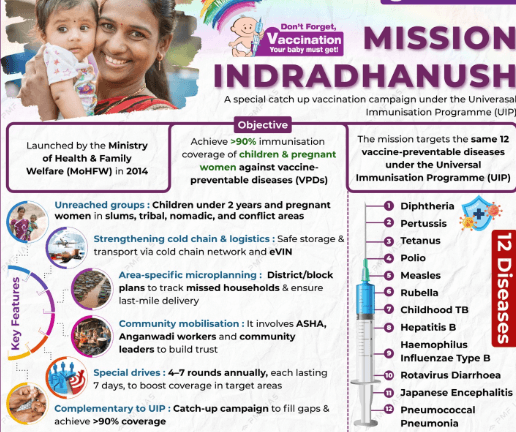
Mission Indradhanush
- It is a health mission launched on 25 December 2014.
- The aim is to reach at least 90% vaccination.
Intensified Mission Indradhanush 5.0
- Aim To enhance immunization coverage for all vaccines provided under the Universal Immunization Programme (UIP) as per the National Immunization Schedule (NIS).
- It is being conducted across all the districts in the country and includes children up to 5 years of age (Previous campaigns included children up to 2 years).
- Provides 12 vaccine free of cost against preventable diseases
- Diphtheria, Pertussis, Tetanus, Polio, Measles, Rubella, severe form of Childhood Tuberculosis, Hepatitis B and Meningitis & Pneumonia caused by Hemophilus Influenza type B , Rotavirus diarrhoea, Pneumococcal Pneumonia and Japanese Encephalitis
Drugs and their classification
Drugs are chemicals of low molecular masses (~100 – 500u). These interact with macromolecular targets and produce a biological response. When the biological response is therapeutic and useful, these chemicals are called medicines and are used in diagnosis, prevention and treatment of diseases. If taken in doses higher than those recommended, most of the drugs used as medicines are potential poisons. Use of chemicals for therapeutic effect is called chemotherapy.
Classification of Drugs
| Basis of Classification | Details |
| On the basis of pharmacological effect | This classification is based on pharmacological effect of the drugs. It is useful for doctors because it provides them the whole range of drugs available for the treatment of a particular type of problem. For example, analgesics have pain killing effect, antiseptics kill or arrest the growth of microorganisms. |
| On the basis of drug action | It is based on the action of a drug on a particular biochemical process. For example, all antihistamines inhibit the action of the compound, histamine which causes inflammation in the body. There are various ways in which action of histamines can be blocked. |
| On the basis of chemical structure | It is based on the chemical structure of the drug. Drugs classified in this way share common structural features and often have similar pharmacological activity. For example, sulphonamides have common structural feature, given below. HN – NHR Structural features of sulphonamides |
| On the basis of molecular targets | Drugs usually interact with biomolecules such as carbohydrates, lipids, proteins and nucleic acids. These are called target molecules or drug targets. Drugs possessing some common structural features may have the same mechanism of action on targets. The classification based on molecular targets is the most useful classification for medicinal chemists. |
|
Drugs |
Description |
Examples |
|
Antacid |
|
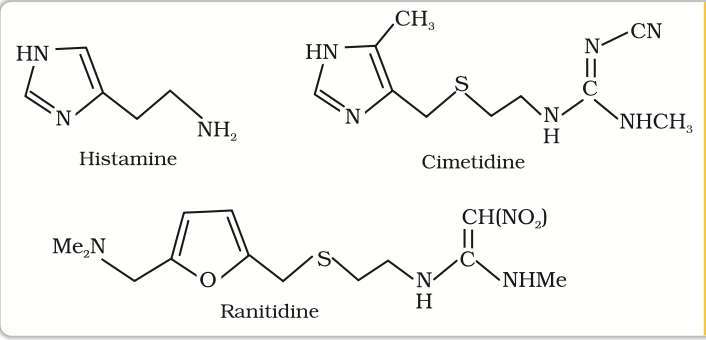 |
|
Antihistamines |
|
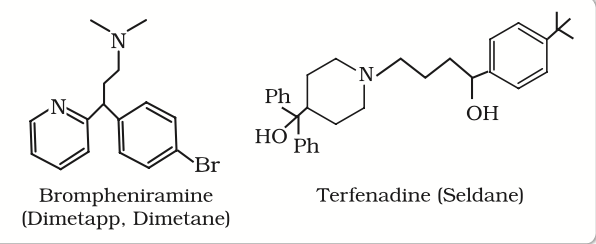 |
|
Anti fertility drugs |
|
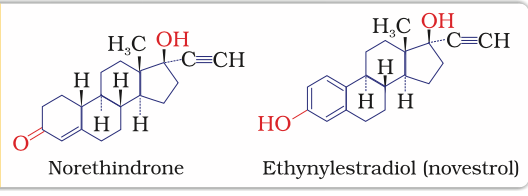 |
Neurologically Active Drugs
|
Type of Drug |
Description and Examples |
|
Analgesics |
Analgesics reduce or abolish pain without causing impairment of consciousness, mental confusion, incoordination or paralysis or some other disturbances of nervous system.
Narcotic analgesics:
|
|
Tranquilizers |
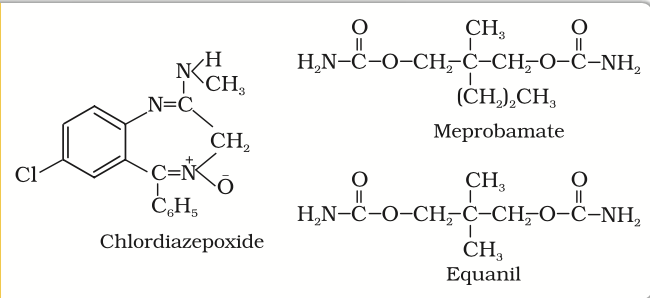
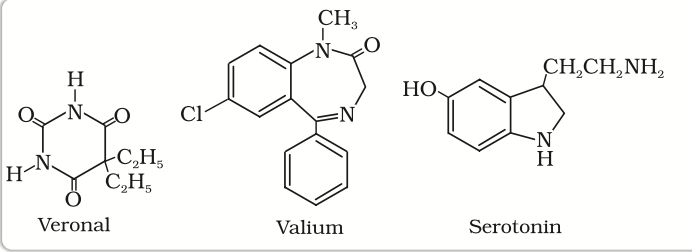
Antidepressant drugs 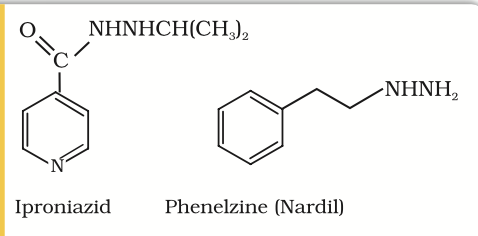 |
Antimicrobials
Diseases in human beings and animals may be caused by a variety of microorganisms such as bacteria, virus, fungi and other pathogens.An antimicrobial tends to destroy/prevent development or inhibit the pathogenic action of microbes such as bacteria (antibacterial drugs), fungi (antifungal agents), virus (antiviral agents), or other parasites (antiparasitic drugs) selectively. Antibiotics, antiseptics and disinfectants are antimicrobial drugs.
|
Types |
Description |
||||||||
|
Antibiotics |
|
||||||||
|
Antiseptics |
Antiseptics are applied to the living tissues such as wounds, cuts, ulcers and diseased skin surfaces. Examples –
|
||||||||
|
Antimalarial |
Mefloquine, Chloroquine, and Tafenoquine. |
||||||||
|
Antiviral |
Acyclovir, Remdesivir, Zidovudin, Oseltamivir |
||||||||
|
Antiprotozoal |
Hydroxychloroquine, Furazolidone, Nitazoxanide, Quinine, Metronidazole |
||||||||
|
Antifungal |
Amphotericin |
||||||||
|
Anti worm/ helminth |
Albendazole, Mebendazole, Ivermectin |
Provisions for medical and health in budget 2025-26
- MAA Fund’ of Rs 3,500 crores constituted for free testing and medicines to the general public. Interstate portability implemented in MAA scheme.
- Free medicine at home for senior citizens above 70 years of age.
- Diabetic clinics established in all district hospitals.
- Digital X-ray, TRU-NAAT and CB-NAAT machine will be available at CHCs for a TB free state.
- MAA Eye Voucher Scheme applicable for free eye check up and operation.
- 148 Urban Ayushman Arogya Mandirs (UAAM) will be established.
- Upgradation of Vitreo Retina Surgery Unit in Bikaner Hospital.
- Augmentation of Spinal Injury Centre capacity to 120-bed capacity at Jaipur, Bikaner, Jodhpur, Udaipur, Kota.
- Rs 195 crore for cancer unit and cottage ward in Kota Medical College.
- Establishment of Ultra Advanced Burn Care Centre at each divisional headquarters
- Rs 500 crore for upgradation of Rajasthan Institute of MedicalSciences (RIMS), Jaipur;
- Rs 50 crore provision for ‘Fit Rajasthan‘ campaign; Emphasis on reducing the amount of oil in the diet by 10%.
- Under New AYUSH Policy Rs 11 lakh incentive was provided by declaring villages as Ayushman Arogya Gram.
- Food laboratories will be established in 7 districts (Hanumangarh, Sawai Madhopur, Jaisalmer, Pali, Sirohi, Chittorgarh and Dungarpur).
| Feature | Description / Explanation |
| Popular Sovereignty | The Constitution represents the will of the people; its legitimacy is derived from them. Supremacy lies with the people, not the legislature. |
| Parliamentary System of Government | The executive is not separate from the legislature but responsible to it. Follows the British parliamentary model. The President is a nominal head; real powers lie with the Prime Minister/Chief Minister. Dissolution of the lower house is possible. |
| Supremacy of the Constitution | Parliament, state legislatures, and other institutions must function within constitutional limits. The judiciary acts as the constitutional interpreter and guardian. Under Article 13, it can strike down unconstitutional laws. |
| Written and Most Comprehensive Constitution | Balances rigidity and flexibility; influenced by multiple sources. |
| Unitary and Federal Features | A federal system with unitary characteristics. |
| Emergency Provisions | Articles 352–360. |
| Democratic Features | Universal adult suffrage, citizenship, and fundamental duties. |
| Secularism and Socialism | Social welfare, reservation policies. |
| Fundamental Rights | Guarantees citizens’ fundamental rights. |
| Directive Principles of State Policy | Guide the state in policy-making. |
| Parliamentary Sovereignty & Judicial Supremacy | Ensures balanced governance. |
| Three-tier Government | Central, state, and local governance. |
| Judiciary | Integrated, hierarchical, independent, and balancing; power of judicial review. |
| Living Constitution | Flexible and adaptable according to time and circumstances. |
| Independent Bodies | Constitutional and non-constitutional bodies. |
| Cooperative Committees | Established for various social, economic, and administrative purposes. |


