
The Economic Survey 2025–26, presented by the Government of India, outlines India’s economic performance, challenges, and policy direction. Prepared by the Department of Economic Affairs, Ministry of Finance, it forms the analytical base of the Union Budget. At Connect Civils, this article provides a clear, chapter-wise summary of the Economic Survey 2025–26, focusing on key facts and trends important for competitive exam aspirants.
Economic Survey 2025–26: Overview
1. State of the Economy: Pushing the Growth Frontier
- India remains the fastest-growing major economy.
- Expected GDP growth (FY27): 6.8% – 7.2%
- Growth drivers:
- Strong private consumption
- Revival in private investment
- High public capital expenditure
- India’s potential GDP growth estimated at ~7% due to sustained reforms.
2. Fiscal Developments: Anchoring Stability through Credible Consolidation
- Fiscal policy remains the anchor of macroeconomic stability.
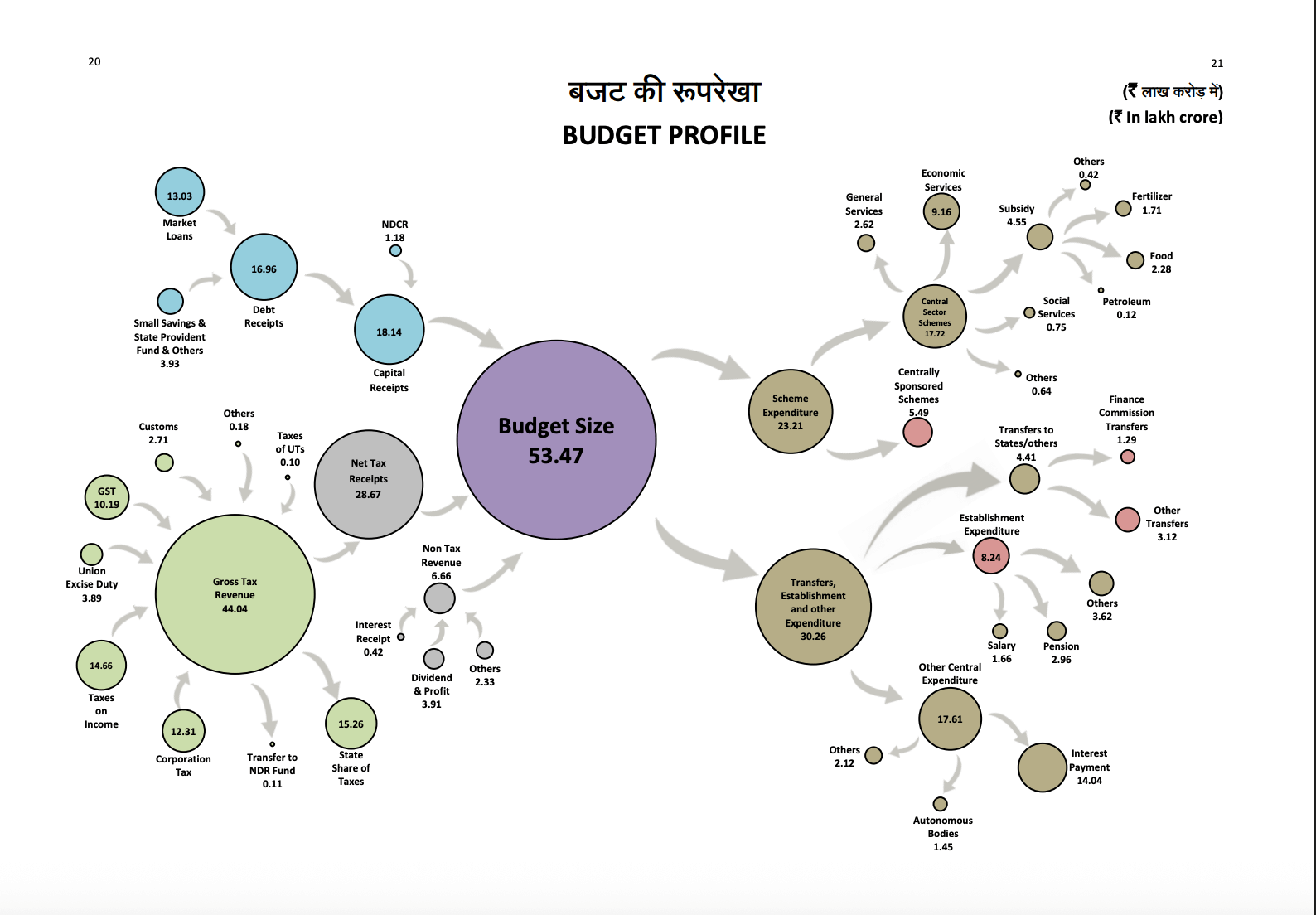
- Continuous reduction in fiscal deficit on a credible path.
- Improvement in tax buoyancy, especially direct taxes.
- Centre’s effective capital expenditure increased to about 4% of GDP.
GST 2.0 Reforms
- Proposal for a simpler two-rate GST structure
- Expected benefits:
- Boost to consumption
- Better compliance
- Support to MSMEs
3. Monetary Management & Financial Intermediation
- Monetary policy transmission remains effective.
- Inflation under control, financial conditions easing.
- Banking sector health improved:
- GNPA and NNPA at multi-decade lows
- Strong credit growth to MSMEs.
4. External Sector: Playing the Long Game
- Merchandise trade remains resilient despite global uncertainty.
- Services exports continue to be India’s strength.
- Current Account Deficit (CAD) remains comfortable:
- CAD around 0.8% of GDP
- India leads globally in greenfield digital investments (2020–2024).
5. Inflation: Tamed and Anchored
- Lowest inflation rate since CPI series began.
- Average headline inflation (Apr–Dec 2025): ~1.7%
- Decline driven mainly by:
- Lower food prices
- Better supply management
- Strong base effect
6.Agriculture and Food Management
- Agriculture GVA growth driven by livestock and fisheries.
- Focus areas:
- Crop diversification
- Soil health-based fertiliser use
- Income security for farmers
- Continued support through:
- PM-KISAN
- MSP
- Crop insurance
- Digital agriculture initiatives
7.Services Sector: From Stability to New Frontiers
- Services sector remains the largest contributor to GDP.
- Major driver of urban employment.
- Strong growth in:
- IT & software services
- Professional services
- Tourism and hospitality
- India is the 3rd largest startup ecosystem globally.
8. Industry: Structural Transformation & Global Integration
- Manufacturing GVA growth shows sustained momentum.
- Medium- and high-tech manufacturing now forms a larger share.
- Strong performance in:
- Electronics
- Automobiles & EVs
- Pharmaceuticals
- Rapid growth in mobile manufacturing and innovation ecosystem.
9. Investment and Infrastructure
- Public and private investment gaining momentum.
- Massive expansion in:
- Highways
- Railways
- Ports
- Power capacity
- Digital connectivity improved via BharatNet and telecom expansion.
10.Environment & Climate Change
- Focus on clean energy transition.
- Strong push for:
- Nuclear energy
- Renewable energy
- Energy storage systems
- Reforms in environmental governance through:
- PARIVESH 3.0
- Circular economy initiatives
- ESG and green finance frameworks
11.Education and Health
Education (NEP 2020 Impact)
- Improved learning outcomes at foundational levels.
- Emphasis on:
- Multilingual education
- Digital learning
- Skill-oriented education
Health
- Rising life expectancy
- Declining Infant Mortality Rate
- Expansion of Ayushman Bharat and digital health platforms
12. Employment and Skill Development
- Labour Codes consolidated into 4 major codes.
- Rise in female labour force participation.
- Focus on:
- Industry-aligned skilling
- Apprenticeships
- Flexible work models
- Estimated 77 lakh jobs from labour reforms
13.Rural Development & Social Progress
- Extreme poverty reduced significantly.
- Technology-driven governance:
- SVAMITVA
- e-Gram Swaraj
- Improved access to:
- Housing
- Drinking water
- Connectivity
14. AI Ecosystem in India
- AI seen as a tool for productivity and inclusion.
- Policy focus on:
- Domestic data value retention
- Sector-specific AI applications
- Skill development for AI-ready workforce
15. Urbanisation: Making Cities Work
- Urbanisation improves productivity and innovation.
- Emphasis on:
- Better urban planning
- Infrastructure
- Affordable housing
- Employment generation
Download the Official Economic Survey 2025–26 PDF (English)