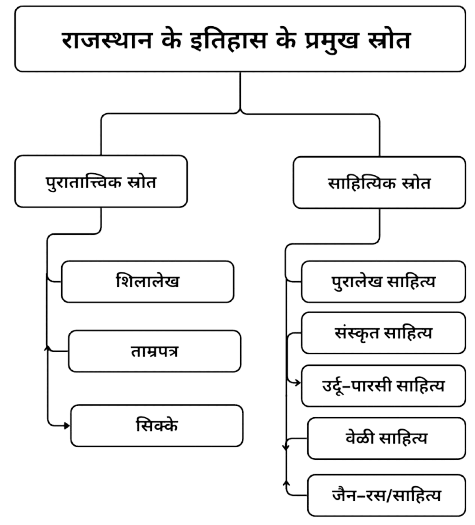
Archaeological Sources of Rajasthan History provide crucial evidence for understanding the ancient culture, civilization, and political development of the region. Under the subject Rajasthan History, these sources include inscriptions, coins, monuments, and excavated sites that help reconstruct Rajasthan’s historical past. They offer reliable and scientific insights into different phases of Rajasthan’s history.
Archaeological Evidence of Rajasthan’s History
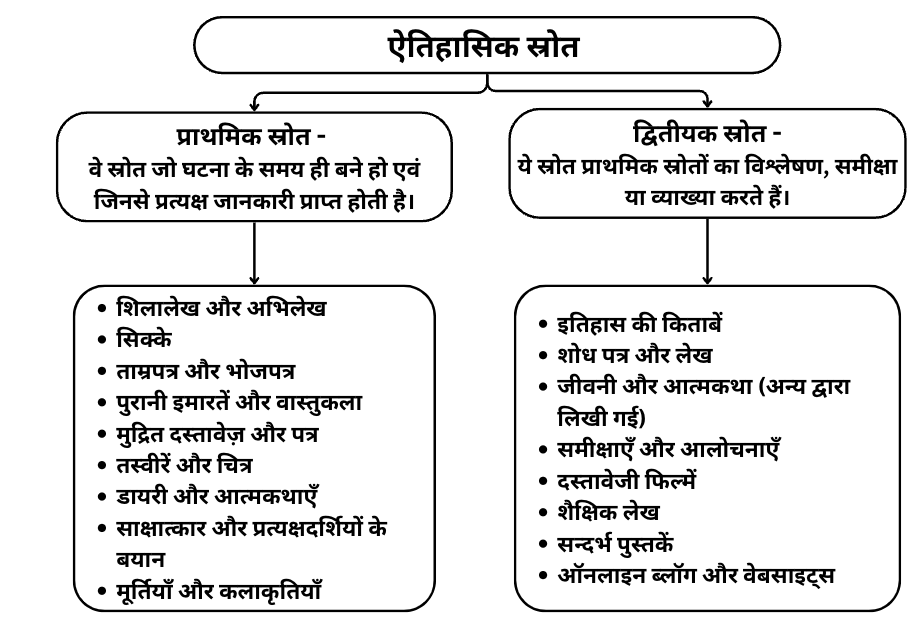
Definition: Historical sources are the materials, documents, objects, and records that historians use to understand past events, life, culture, and society. These sources serve as evidence of the past and provide authentic information about a particular time, place, or event.
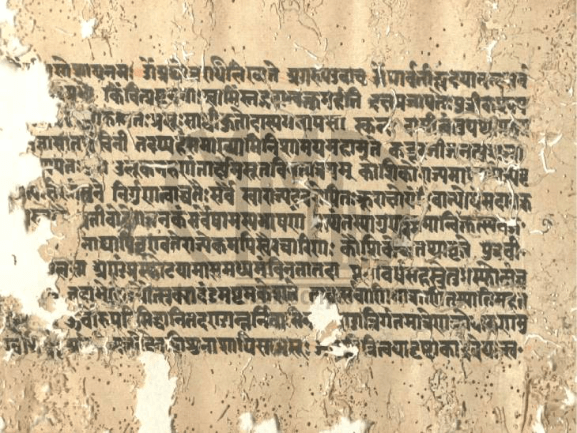
Inscriptions (Shilalekh)
Definition: Writings that are engraved or inscribed on stone, metal, wood, clay, or other solid surfaces are called inscriptions.
Main Characteristics:
They are permanently engraved and cannot be erased.
They do not easily perish over time; therefore, they are authentic evidence.
They provide reliable details of dates, names, places, and events.
Main Subjects:
Orders, decrees, and proclamations of kings and rulers.
Information about governance and administrative systems.
Descriptions of wars, victories, religious rituals, and temple construction.
References to charity, donations, sacrifices, and social works.
Utility:
A major medium for conveying information to the public.
An authentic source for historians, providing political, religious, social, and cultural information.
Provide chronological information about dynasties in the history of Rajasthan.
Records / Documents (Abhilekh)
Definition: Written documents that preserve events, orders, and information related to governance, religion, or society as official records are called documents (abhilekh).
Mediums: They were written on palm leaves, birch bark, paper, and also on bronze or copper plates.
Main Subjects:
Administrative orders, agreements, policies, and grants.
Donation deeds, land grants, and descriptions of religious and social works.
Accounts of historical events and activities of rulers.
Utility:
Helpful in understanding the administrative and economic systems of ancient society.
An important source of political, religious, and cultural history.
Authentic documentary evidence for historians.
Major Inscriptions and Records of Rajasthan
Nagari Inscription (2nd century BCE)
Place: Nagari, Chittorgarh
Language/Script: Sanskrit, Brahmi script
Importance: Twin inscription of the Ghosundi Inscription
Aparajit Inscription (661 CE)
Place: Kundeshwar Temple, Udaipur
Description: Mentions Aparajita, the ruler of Mewar in the 7th century
Gwalior Prashasti
Ruler: Gurjara-Pratihara Mihir Bhoja
Importance: Related to the Pratihara history of Rajasthan
Kanswa Inscription (738 CE)
Place: Kanswa village, Kota, Shiva temple
Importance: Evidence of the relationship between Rajasthan and the Maurya rulers
Manmori Inscription (8th century)
Place: Near Mansarovar Lake, Chittorgarh
Description: Bhima is described as the king of Avantipura
Harshnath Prashasti (973 CE)
Place: Harshnath Temple, Sikar
Description: Description of Chauhan rulers Allata and Vagad (Vargat)
Arthuna Shiva Temple Prashasti (1079 CE)
Place: Arthuna village, Banswara, Shiva temple
Description: Description of the Paramara rulers of Vagad
Kiradu Inscription (1161 CE)
Place: Kiradu Shiva Temple, Barmer
Description: The origin of the Paramaras is believed to be from the Abu yajna of sage Vashistha
Sachiya Mata Temple Prashasti (1179 CE)
Place: Osian, Jodhpur
Description: Mentions Kirtipal and Kalhana, rulers of Mandavyapura
Neminath (Abu) Temple Prashasti (1230 CE)
Place: Neminath Temple, Mount Abu
Author: Tejpal
Description: Details of the Paramara rulers
Chirwa Inscription (1273 CE)
Place: Chirwa village, Udaipur
Description: Mentions Bappa Rawal of the Guhila dynasty and the practice of Sati
Jain Kirti Stambh Inscription (13th century)
Place: Jain Kirti Stambh, Chittorgarh
Description: Three inscriptions describing Jain rulers; established by Jija (Jijak)
Shringi Rishi Inscription (1428 CE)
Place: Near Eklingji, Udaipur
Description: Information about the rulers of the Guhila dynasty
Delwara Inscription (1439 CE)
Description: Mentions the currency called “Tank”; evidence of economic conditions
Ranakpur Prashasti (1439 CE)
Place: Ranakpur, Pali, Chaumukha Temple
Description: Description of rulers from Bappa Rawal to Kumbha
Kumbhalgarh Inscription (1460 CE)
Place: Kumbhalgarh, Kumbhashyam Temple
Description: Relation of Bappa Rawal to the Vipra-vanshi Brahmin lineage
Rai Singh Prashasti (1594 CE)
Place: Bikaner Fort
Description: Victories of Rai Singh and details of Rathore rulers
Jagannath Rai Prashasti (1652 CE)
Place: Jagannath Temple, Udaipur
Description: Description of the rulers of Mewar and the Battle of Haldighati
Raj Prashasti (1676 CE)
Place: Embankment of Rajsamand Lake
Description: Mentions the Sisodia dynasty of Mewar and Ghewra Mata Temple; the world’s largest inscription
Vaidyanath Temple Prashasti (1719 CE)
Place: Vaidyanath Temple, Sisarma village, Udaipur
Description: Description of rulers from Bappa Rawal to Sangram Singh II
Palitana Inscription
Place: Gujarat
Description: Evidence of cultural relations between Jain and Rajput societies
Major Inscriptions of Rajasthan at a Glance
Name of the Inscription
Place
Date / Period
Importance (Key Points)
Ghosundi
Chittorgarh
200–150 BCE
Evidence of the earliest Vaishnava/Bhagavata sect; mention of a Vishnu temple and Ashvamedha Yajna; written in Brahmi script and Sanskrit language
Nagari
Chittorgarh
2nd century BCE
Twin inscription of the Ghosundi inscription; expansion of the Vaishnava sect; written in Brahmi script and Sanskrit
Bairat (Viratnagar)
Jaipur
Mauryan period
Related to the reign of Mauryan Emperor Ashoka; shows the influence of the Mauryan Empire in Rajasthan; evidence of the ancient administrative system
Bhramar Mata
Chhoti Sadri
490 CE
Information about the Gaur dynasty and Aulikara dynasty; detailed description of temples and genealogies; evidence of regional political history
Goth Manglod
Nagaur
608 CE
Related to the Dahima region; engraved in the Dadhimati Mata Temple; information about regional administration and culture
Ghatiyala
Jodhpur
861 CE
Mention of Harishchandra, Kakkuka, and the Pratihara dynasty; genealogical evidence of the Pratiharas of Mandor; one of the earliest proofs of the Sati system
Bijolia
Bhilwara
1170 CE
Related to the Chauhan dynasty; evidence of the construction of Sambhar Lake; engraved by Jain Shravak Lolaka
Nath Prashasti
Eklingji (Udaipur)
971 CE
Description of Bappa Rawal and the Guhila rulers; located in the Lakulish Temple; evidence of the religious and political history of Mewar
Kirti Stambh Inscription
Chittorgarh
1460 CE
Achievements of Maharana Kumbha; description of the four divisions of Mewar; important for architectural and social history
Amer
Jaipur
1612 CE
History of the Kachhwaha dynasty; mention of the construction of Jamwa Ramgarh by Man Singh; description of the victories of the rulers
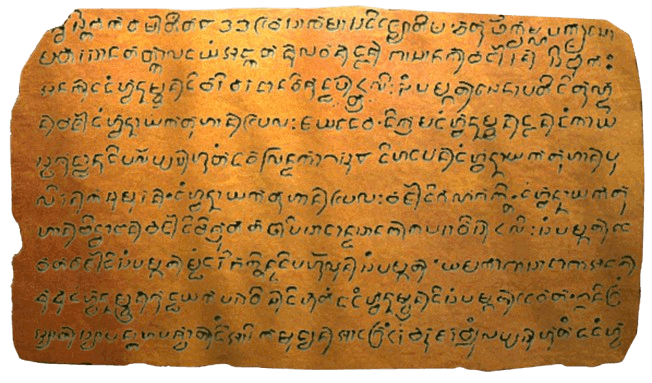
Copper Plates (Tamra-Patra)
Definition: Copper plates were ancient documents or records written on thin sheets of copper.
They were mainly used to record royal proclamations, orders, land grants, and religious and social regulations.
These are considered extremely important as documentary evidence.
Language and Script:
Languages: Mainly Sanskrit and Prakrit
Script:
Generally written in the Brahmi script
Main Characteristics:
Letters were engraved, so they could not be erased.
Durable records that could be preserved for a long time.
Documents were often tied together with rings (like a bundle of plates).
Reliable evidence of orders related to ancient administration and religion.
Historical Importance:
Source of political history: Information about reigns, dynasties, and policies of rulers.
Religious and social system: Details of grants, land donations to temples and Brahmins.
Administrative and economic life: References to taxation, land measurement, and rights.
Reflection of cultural life: Evidence related to religion, education, and folk culture.
Major Copper Plates of Rajasthan
Dhulev Donation Plate (679 CE)
Donor: King Bheti
Recipient: Bhattinag Brahmin
Donation: Ubbarak village
Special Mention: Reference to Ashva Bhuj Samvat
Importance: Oldest copper plate of Rajasthan; evidence of religious grants and the Samvat system
Mathandeva Copper Plate (959 CE)
Donor / Ruler: Mathandeva
Main Mention: Land donation for a temple; presence of village elders and royal officials
Importance: Evidence of the practice of land grants for religious purposes in feudal society
Bronch Gurjara Copper Plate (978 CE)
Main Mention: Description of the expansion of the Gurjara dynasty in India
Importance: Source for historical debate on the expansion of the Gurjara dynasty and the origin of Rajputs
Note: Alexander Cunningham considered Rajputs to be of the Yueh-chi (Kushan) race on the basis of this copper plate
Veerpur Donation Plate (1185 CE)
Main Mention: Information related to the Chalukya rulers of Gujarat
Importance: Evidence of political conflict and balance of power
Ahar Copper Plate (1206 CE)
Ruler: Bhimdev II, Solanki king of Gujarat
Main Mention: Genealogy of the Chalukya rulers
Importance: Evidence of Rajasthan–Gujarat political relations and the Solanki dynasty
Kheroda Copper Plate (1437 CE)
Ruler: Maharana Kumbha
Main Mention: Religiousdonation of 400 Tanka
Importance: Evidence of religious activities and economic donations
Parsoli Copper Plate (1473 CE)
Main Mention: Various types of land—Piwal, Gormo, Mal, Magra
Importance: Information about types and systems of agricultural land
Chikli Copper Plate (1483 CE)
Main Mention: Taxes collected from farmers; mention of Patel, Suthar, and Brahmin castes
Importance: Source of information on the taxation system and social structure
Pur Copper Plate (1535 CE)
Ruler: Maharana Vikramaditya (Chittorgarh)
Main Mention: Description of the Johar practice and the second Saka of Chittorgarh
Importance: Historical evidence of the bravery of Mewar and its social and religious traditions
Dhol Copper Plate (1574 CE)
Ruler: Maharana Pratap
Main Mention: Land grant for a military post in Dhol village
Importance: Evidence of administrative and military organization during the period of Maharana Pratap
Pipli Copper Plate (1576 CE)
Ruler: Maharana Pratap
Main Mention: Rehabilitation and relief work after the Battle of Haldighati
Importance: Evidence of policies for social and economic reconstruction
Bedwas Copper Plate (Samvat 1616 / 1559 CE)
Main Mention: First reference to the establishment of Udaipur
Importance: Related to the founding of Udaipur as the new capital of Mewar
Rangili Village Copper Plate (1656 CE)
Main mention: Tax-free grant of the village to Gandharva Mohan
Significance: Example of rural grants and tax exemption policy
Lava Village Copper Plate
Feature: Description of social marriage customs; rights of girls regarding marriage
Significance: Evidence of social customs and the status of women
Digrol Copper Plate
Ruler: Maharana Jagat Singh I
Main mention: Description of rural administration
Significance: Source of information on village administration and local governance
Garhbor Village Copper Plate
Main mention: Management of temples and social activities
Significance: Information on religious institutions and social life
Pratapgarh Copper Plate
Main mention: Mention of the removal of taxes imposed on Brahmins
Significance: Evidence of the tax system and the status of the Brahmin community
Kitkhedi Copper Plate (1650 CE) –
Main mention: Land grant for the Govardhan Nathji temple
Significance: Religious importance and the practice of land grants
Paranpur Grant (1676 CE)
Ruler: Pratapsingh
Key mentions: Details of religious education and the administrative class
Significance: Source of information on the administrative and religious system
Currency/Coins
Definition and Study –
The study of coins is called numismatics.
Coins are not only a medium of economic exchange, but also evidence of social, religious, political, and cultural life.
In Indian history, coins reveal the policies of rulers, religious beliefs, and administrative identity.
Early Coins – Punched Coins
The first coins of ancient India – punched coins or punch-marked coins.
These were marked by striking special symbols (punch marks) onto them.
The first evidence of such coins was found in Rajasthan.
They were usually made of silver.
In Kautilya’s Arthashastra, they are called “Pana” or “Karshapana”.
Shape – square, rectangular, or circular.
Historical Development of Indian Coins –
Kushan Period (1st–3rd century CE)
The first circulation of gold coins was introduced by the Kushan ruler Vima Kadphises.
The coins bore the image of the ruler and Greco-Indian symbols.
This period is considered the beginning of the golden age of the Indian coinage system.
Gupta Period (4th–6th century CE)
The golden age of gold coins.
Main coin – “Dinar” (Gold Coin).
Most of the coins were found in Bayana, Bharatpur.
The coins bore social, religious, and political symbols – such as Lakshmi, Garuda, Ashwamedha Yajna, etc.
Rajput Period (8th–12th century CE)
Coins held a special place in the princely states of Rajasthan.
The coins bore the images of the rulers, religious symbols, and royal emblems.
The coins reflected the religious beliefs, culture, and governance of the princely states.
Coins of the major princely states of Rajasthan
Jaipur State –
Rajasthan –
Mint Mark: Six-branched tree
Coins: Jharshahi coins
Established: 1728 AD by Sawai Jai Singh II
Main Coins: Ras Kapoor, Hali, Muhammadshahi
Jodhpur State –
Coins: Vijayshahi (Maharaja Vijay Singh)
Other Coins: Punch-marked, Gajshahi, Lalluliya Rupee, Takht Singh
Gold Coins: Mohar
Mewar State –
Mughal Envoy Coins
Major Coins: Rupak, Copper Dhingla, Karshapana, Nathdwariya
Padamshahi Coin (copper) in Salumber.
Chahaman (Chauhan) State –
Coin of 1192 AD: “Shri Muhammad Sam” and the name of Prithviraj Chauhan